
Last updated November 18, 2026
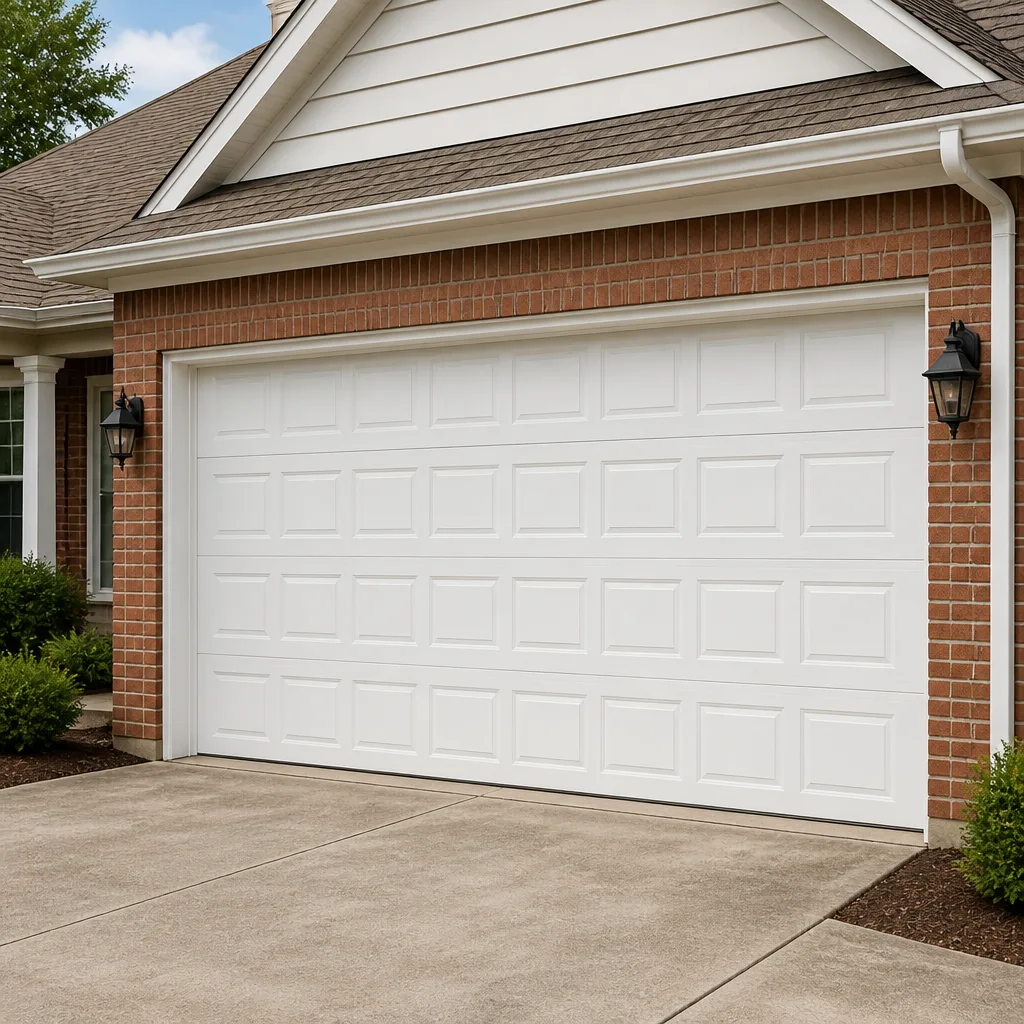 Raised-panel steel
 Carriage house
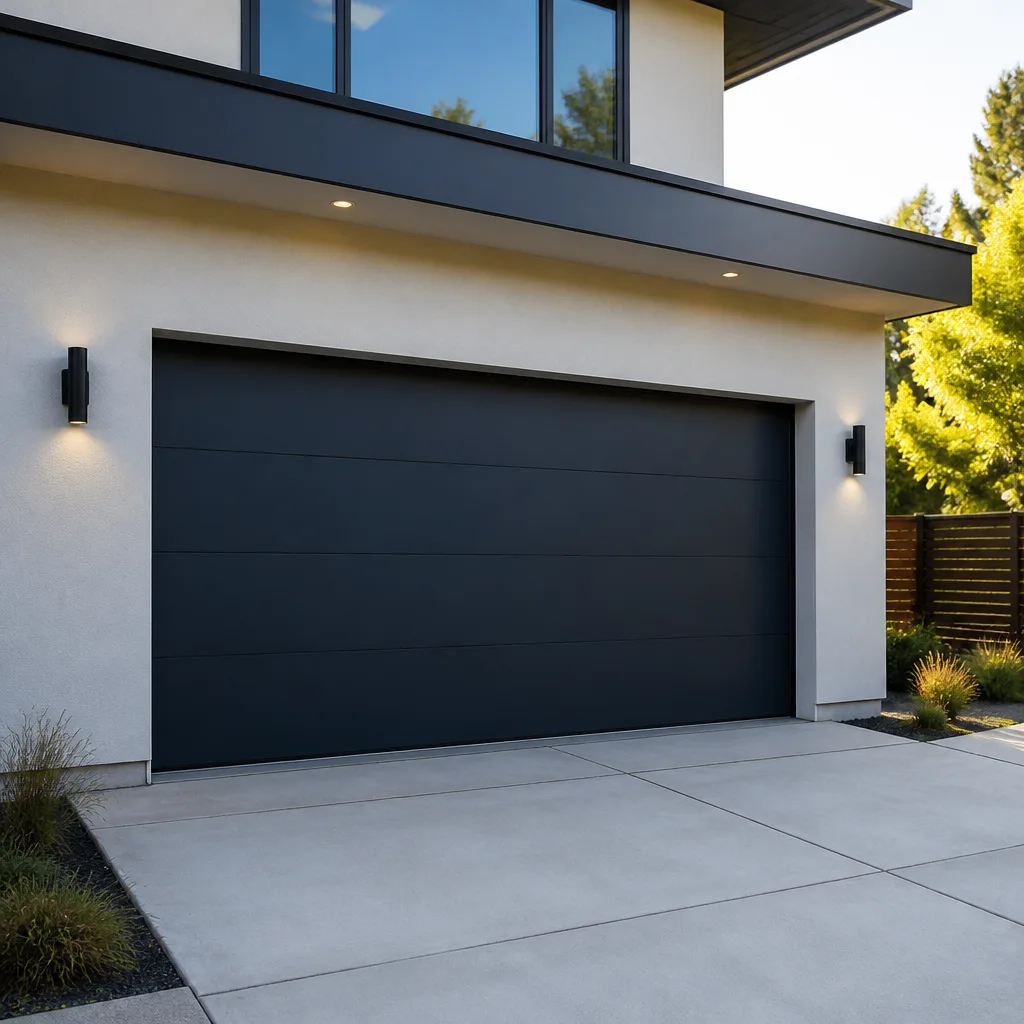 Modern flush
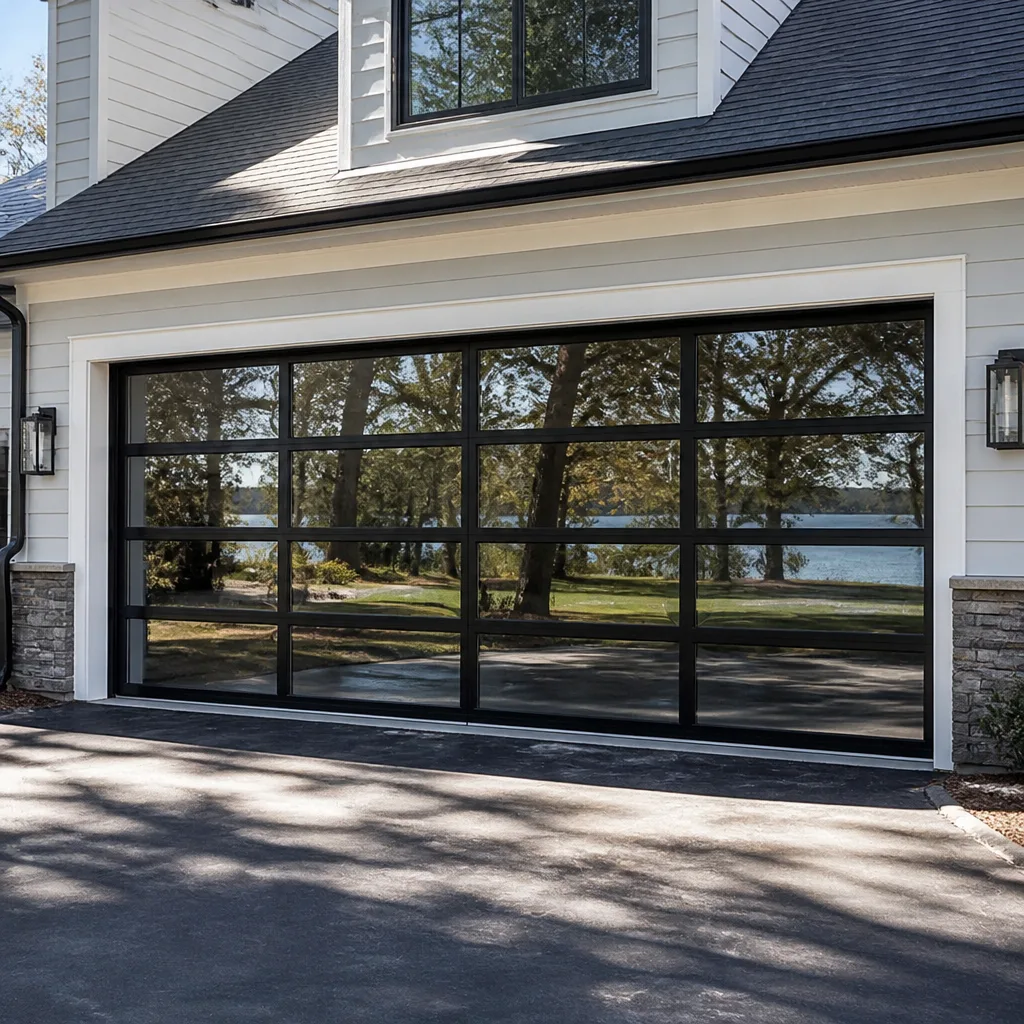 Full-view glass
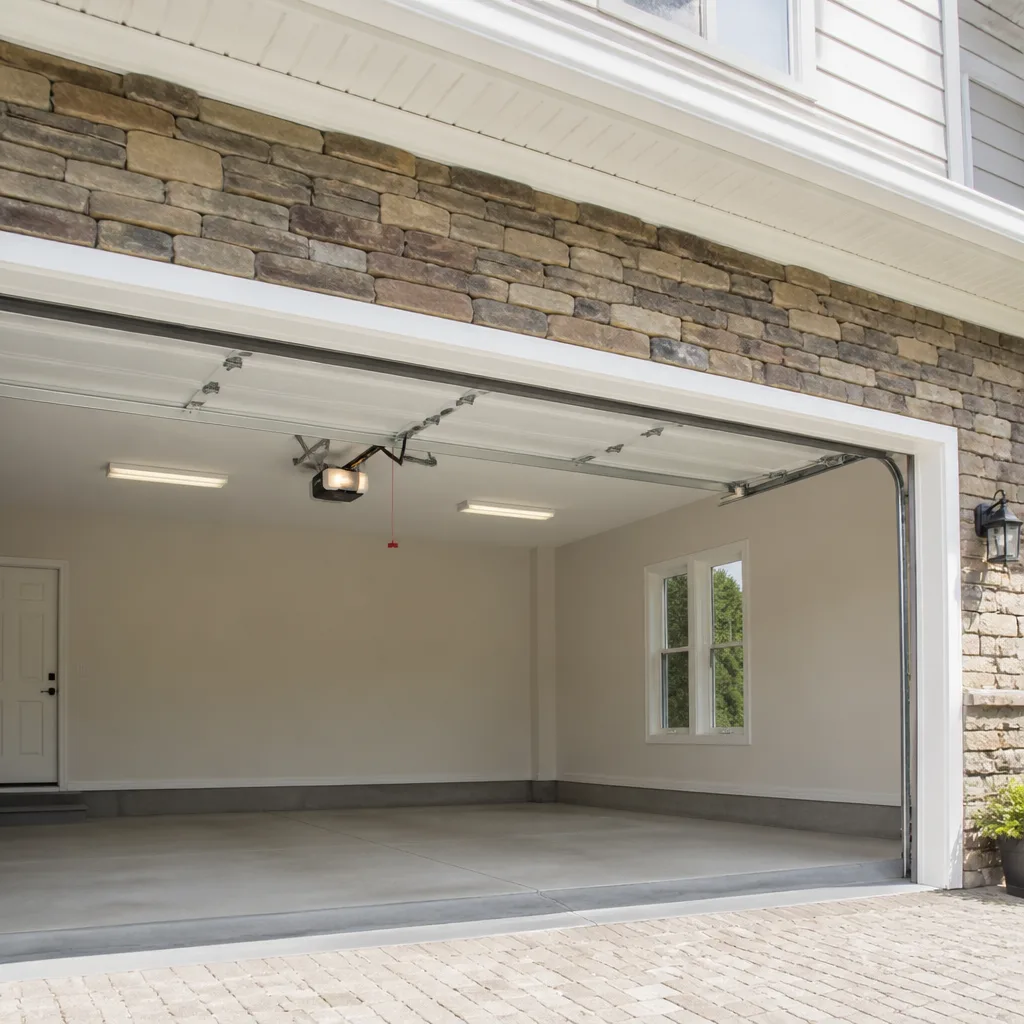 LiftMaster openers
 Chamberlain openers
Full 25-point door and opener safety check with every visit - springs, cables, rollers, tracks, and your LiftMaster or Chamberlain opener included
You get a price before we start. It does not change when the pro arrives.
Get your free estimateGarage Door Repair Maintenance Checklist for Boulder City Homeowners
A $6 can of the wrong lubricant can strip the protective coating off a torsion spring and cut its life roughly in half, and Boulder City’s dry heat makes that mistake costlier than it would in most American suburbs. We’ve seen it happen on doors all over town: a homeowner sprays WD-40 on the coils to quiet a squeak, the coating degrades, and eighteen months later the spring snaps. This guide is a printed, task-by-task checklist built for high-desert conditions, sequenced from easy monthly jobs up to the tasks that need a professional before someone gets hurt.
Quick Answer
The core maintenance routine for a Boulder City garage door is four tasks done monthly (visual inspection, lubricant check, safety-reverse test, balance test), three tasks done twice a year (roller and hinge check, track cleaning, weather seal inspection), and two annual jobs (full hardware tightening and a professional safety evaluation). Skip the monthly safety-reverse test and you can miss a photo-eye misalignment that leaves the door closing on a child. Everything involving springs or cables is a stop-and-call job.
Styles & brands we work with
- Raised-panel steel
- Carriage house
- Modern flush
- Full-view glass
- LiftMaster openers
- Chamberlain openers
Table of Contents
- Why Boulder City Doors Age Differently
- Monthly Checklist: Four Jobs in Under 15 Minutes
- The Right Lubricant for Desert Heat (and the Wrong Ones)
- How to Test the Auto-Reverse Safety Mechanism
- Track Misalignment and Ground Settling
- Semi-Annual and Annual Tasks
- Stop Here: Tasks That Require a Pro
- Seasonal Timing for Boulder City
Why Boulder City Doors Age Differently
Summer afternoons along the Colorado River corridor push past 110°F on a regular basis, and that heat does specific damage. The nylon rollers that ride inside the track soften and flat-spot. The photo-eye lenses (the small sensors near the floor that tell the opener the path is clear) fog with fine dust and drift out of alignment. Wood and steel panels expand in the afternoon and contract at night, so fasteners loosen faster here than in a mild climate.
Then there’s the grit. Blowing desert sand works into the tracks the way sandpaper works into a joint. It doesn’t fail all at once. It slowly grinds the rollers and puts a rough, grainy feel into the door as it travels. In the older neighborhoods near Lake Mead and the historic downtown blocks, we also see track misalignment tied to soil movement, because decades-old slabs and settling ground twist the frame just enough to pull the vertical tracks out of plumb. One side of the door starts to rub before the other.
What all of this means for a Boulder City homeowner is that a checklist written for Ohio or the Pacific Northwest misses the two biggest local killers: heat degradation and abrasion. The routine below is built around both. If a repair has already gone past maintenance, our Garage Door Repair in Boulder City page covers what a service visit looks like.
Monthly Checklist: Four Jobs in Under 15 Minutes
These four tasks take about fifteen minutes total and catch most problems before they turn into a $400 bill. Work through them in order.
- Walk the perimeter. Look at the door from inside and outside. Check for cracked or blistered panels, worn sections of the bottom weather seal, and loose bolts on the hinges. Run your hand along the bottom seal and feel for gaps.
- Check the rollers and hinges. Look at the rollers inside the track. Nylon rollers that look dull, flat-spotted, or chalky have heat damage and are on their way out. Hinges should be free of rust and tight.
- Run the safety-reverse test. Detailed below in under two minutes. Do this every month without skipping.
- Test the balance. Disconnect the opener (pull the red release handle), lift the door halfway, and let go. A balanced door stays put. A door that drifts down has a spring problem.
Keep a small notebook on a hook in the garage and note the date of each test. When a technician arrives for a repair, that log shortens the diagnosis, and it tells you exactly when a problem started. The Kingswell Way treats maintenance as part of the job: say the price before the work, show up in the window, leave the place cleaner than we found it, put the guarantee in writing, come back if it fails.
The Right Lubricant for Desert Heat (and the Wrong Ones)
This is where we see the most damage. Lubricant choice matters more in Boulder City than almost anywhere.
The wrong products are common:
- WD-40 (the standard spray can): it’s a solvent, not a lubricant. It strips the protective coating off torsion springs (the heavy coiled steel above the door that handles most of the lifting weight) and evaporates within weeks, leaving metal exposed. On bare springs, the residue also holds grit.
- Thin household oils: they run off vertical tracks too fast to protect anything in sustained heat.
- Grease on rollers: heavy grease traps desert dust and turns into an abrasive paste.
What works in 110°F+ conditions is a lithium-based or silicone-based garage door lubricant formulated for high temperatures. Silicone spray on the torsion spring and the roller bearings; a light white lithium grease on the hinges and the pivot points of the arms. A few drops, not a coating. Wipe off excess. Twice-a-year application is plenty.
Never spray anything on the photo-eye lenses (the sensors near the floor). Dust them with a dry cloth only. Solvent on the lens is one of the fastest ways to knock the door’s safety system out of alignment.
How to Test the Auto-Reverse Safety Mechanism
Federal law since 1993 has required every residential garage door opener sold in the U.S. to include both a mechanical reverse and a photo-eye safety system. Most homeowners have never tested either. Both tests take under two minutes.
- Photo-eye test. With the door open, wave a broom handle or a piece of cardboard across the path of the two small sensors near the floor. The door should reverse immediately. If it doesn’t, the photo eyes are misaligned or dusty.
- Mechanical reverse test. Lay a roll of paper towels or a 2×4 flat on the ground directly under the center of the door. Close the door with the wall control. When it strikes the obstruction, the door must reverse within about two inches. If it presses down and holds, the opener’s force limit is set too high.
- Record the result. Note the date in your garage log. If either test fails, don’t use the door until it’s corrected.
A failing photo eye is the single most common opener fault we see on Boulder City doors. The fix is usually alignment or a wiped lens, but on openers from LiftMaster and Chamberlain, dirty or misaligned sensors also trigger blinking codes that confuse homeowners into thinking the opener itself is dead. It usually isn’t.
Track Misalignment and Ground Settling
Vertical tracks (the rails on each side of the door) should be plumb, and horizontal tracks should slope slightly back toward the door. When soil settles or a slab shifts, the frame twists and the tracks go out of true. That’s a common finding on the older blocks near downtown Boulder City, where homes were built during the dam-construction era and the ground has had many decades to move.
Signs the tracks are off:
- The door rubs or squeals on one side more than the other
- Rollers climb out of the track when the door is operated
- A visible gap between the door and one side of the frame
- The door looks crooked at rest
Resetting a track is a two-person job with real risk: a twisted track can drop a door panel. If you see any of these signs, stop cycling the door and call a professional. This is also where grit damage shows up. Blowing sand from the open desert scratches the inside of the track, and the rollers wear faster as a result. A quick wipe of the track with a dry cloth once a month (no solvent) removes the worst of it.
Semi-Annual and Annual Tasks
Twice a year, in spring and fall, add these jobs. The two seasonal slots line up with Boulder City’s mild spring and fall temperatures, when working in the garage is comfortable.
Semi-annual (every 6 months):
- Re-lubricate the spring, rollers, hinges, and arms with lithium or silicone
- Check the bottom weather seal for cracking; a failed seal lets in dust and, more importantly, lets cool air out
- Inspect the opener’s drive belt or chain for slack (Wayne Dalton and Raynor doors often use a chain drive, which needs slightly more tension attention than a belt)
- Test the manual release again, lubricate the release cord and handle
Annual:
- Full hardware tightening: every bolt on the hinges, brackets, and arms by hand. Don’t overtighten.
- Professional safety evaluation, especially if you skipped any monthly test during the year or the door is over ten years old. This is the visit where we also check spring tension and cable wear, which a homeowner cannot safely assess.
- Test the balance again.
- Inspect the wall control wiring for any interior or exterior wear (sun exposure can crack wire insulation in a garage).
The annual evaluation is our favorite visit because it’s the cheapest way to avoid a mid-summer failure. That’s also when we can quote a plan for replacement if the door is headed that way. For homes at that turning point, our Garage Door Installation in Boulder City page covers what a new door costs and how scheduling works.
Stop Here: Tasks That Require a Pro
A handful of jobs on a garage door are genuinely dangerous. A torsion spring is under extreme tension even when the door is closed down. Every year, homeowners are seriously hurt or worse trying to adjust a spring or a cable themselves. These are the stop signs.
- Adjusting or replacing a torsion spring, which carries the door’s weight and can release violently if mishandled
- Working with cables or drums, where stored energy can snap a cable with enough force to cut
- Realigning a track after settling has twisted it
- Adjusting the opener’s force limit if you don’t understand how the opener’s internal logic interacts with the door’s weight
- Replacing a panel on a door that’s out of warranty or whose spring is near the end of life
We’ve had customers describe a $150 spring replacement turning into a $1,200 door replacement after a home repair attempt. If a task is on this list, call a licensed technician. Every Bramwell Garage Door Repair Boulder City technician is background-checked, arrives in uniform, and presents a written price before any work begins. We work under the Kingswell Guarantee, which means the price you hear is the price on the invoice and the guarantee is in writing, not just promised at the door. If you’re already at the point of a repair, our Garage Door Spring Repair in Boulder City page covers scope and timing.
Seasonal Timing for Boulder City
Because Boulder City skips the hard freezes and the deep humidity of most U.S. climates, the maintenance calendar here is simpler than the generic advice you’ll find in national guides. The two real pressure points are summer heat and spring wind.
Do your semi-annual lubrication and tightening in March, before the hot season arrives. Nylon rollers that are already showing flat spots should be replaced before temperatures climb, because heat accelerates the failure. In September or October, once the worst heat has broken, do a full inspection and the annual professional evaluation. That timing catches anything that failed over the summer, and it lets you handle replacements during comfortable weather.
Photo-eye alignment deserves a specific mention. The desert’s fine dust and bright afternoon sun both play with the sensors. A sensor that tests fine in morning shade can drift out of alignment when the sun hits it directly in the afternoon. Test the safety-reverse mechanism at the same time of day each month so you catch discrepancies. If a sensor passes one hour and fails another, the alignment is marginal and needs adjustment.
Keep a small notepad in the garage for those test days. A door with a written maintenance record is a door that fails less often and gets repaired faster. It also tells a future buyer the door was cared for.
Common Mistakes to Avoid
- Using WD-40 on the spring. It’s a solvent, not a lubricant. It strips the protective coating and lets the spring corrode faster in Boulder City’s dry heat.
- Skipping the safety-reverse test. It takes two minutes. It’s also the test that catches a sensor problem before it becomes an injury.
- Ignoring a rubbing sound on one side. That’s the earliest sign of track misalignment from settling ground. A quick realignment now is cheap; a dropped panel isn’t.
- Overtightening bolts during the annual tightening. Snug is tight. Crank too hard and you’ll strip the hinge and crack the panel.
- Applying grease to the rollers. In desert conditions grease traps grit and turns into an abrasive paste. Use a dry silicone spray on the bearings instead.
- Testing photo eyes in the afternoon only. The sensors behave differently in morning shade and direct afternoon sun. Test at different times to catch marginal alignment.
- Letting a cracked bottom seal go unreplaced. It’s a small part, but it lets in dust and heat, and it’s one of the easiest fixes to schedule before summer.
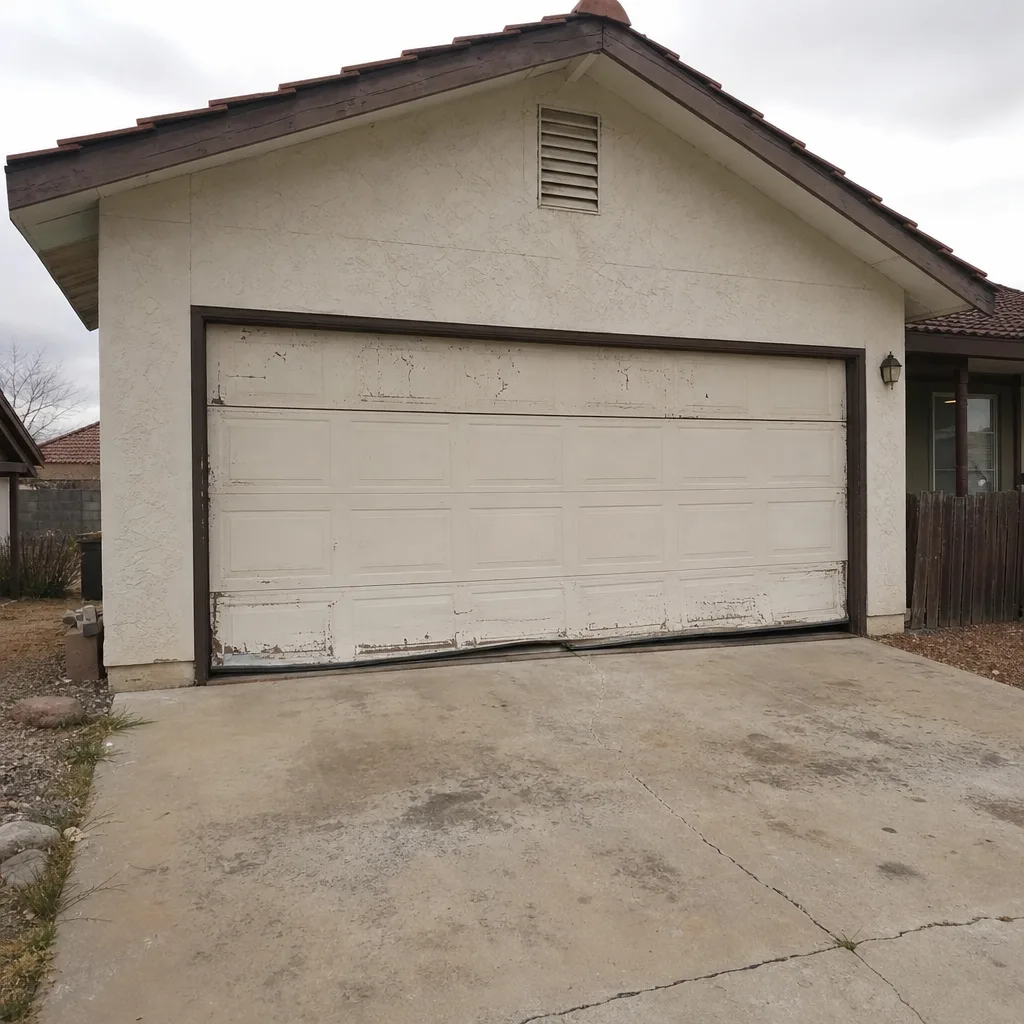
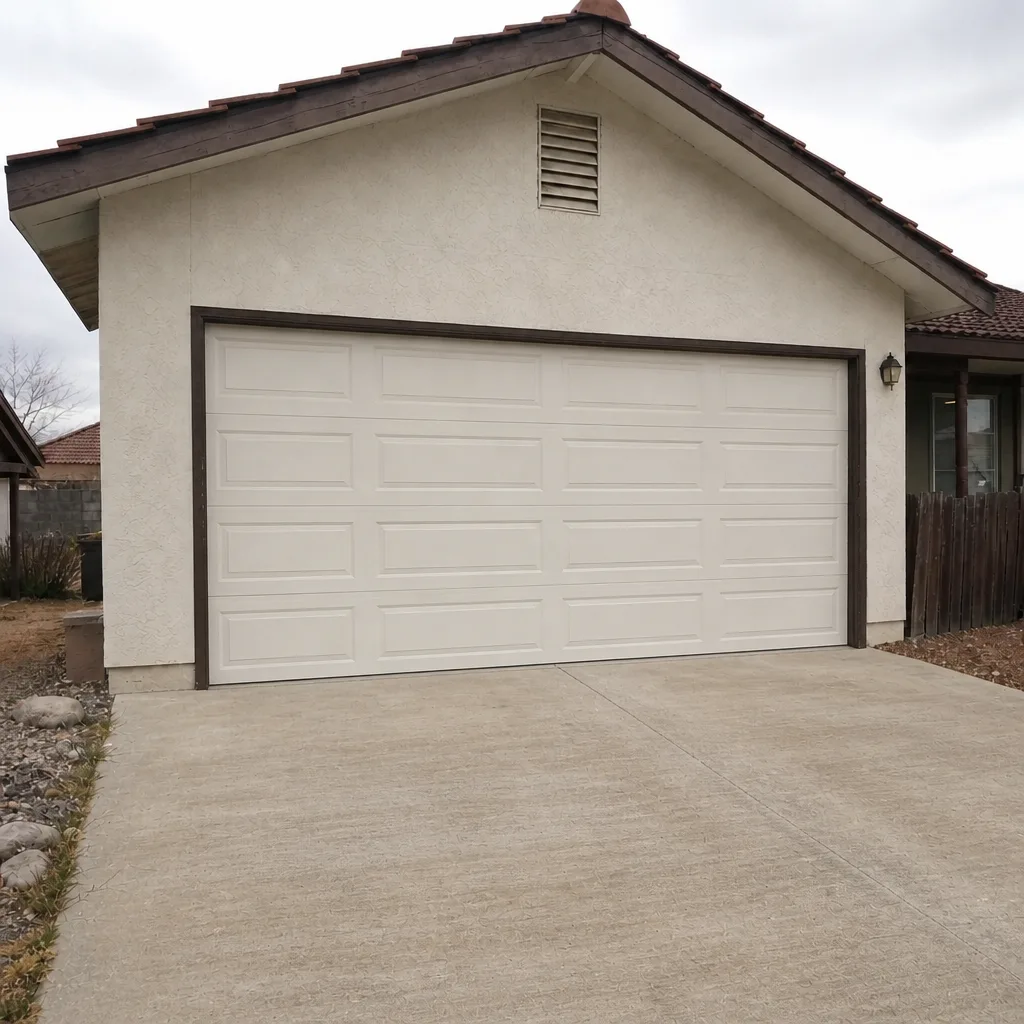
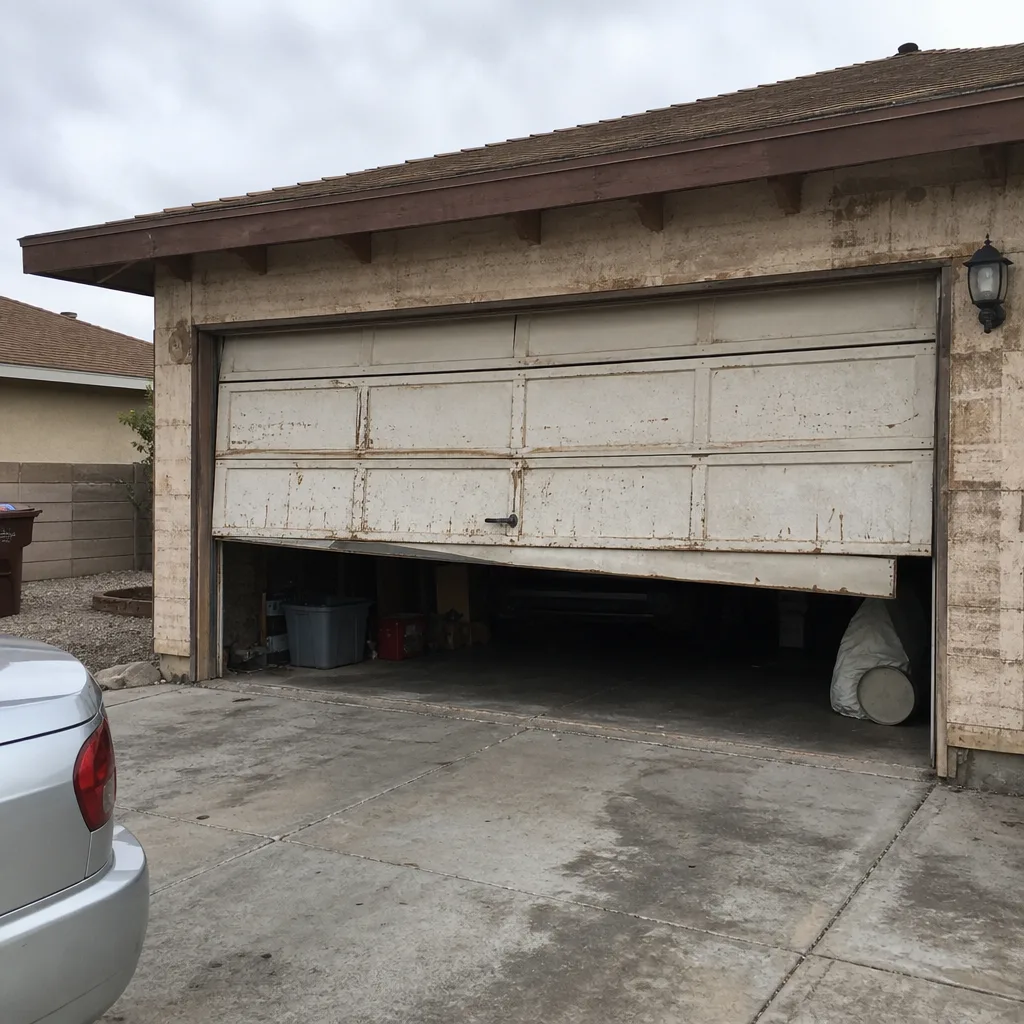
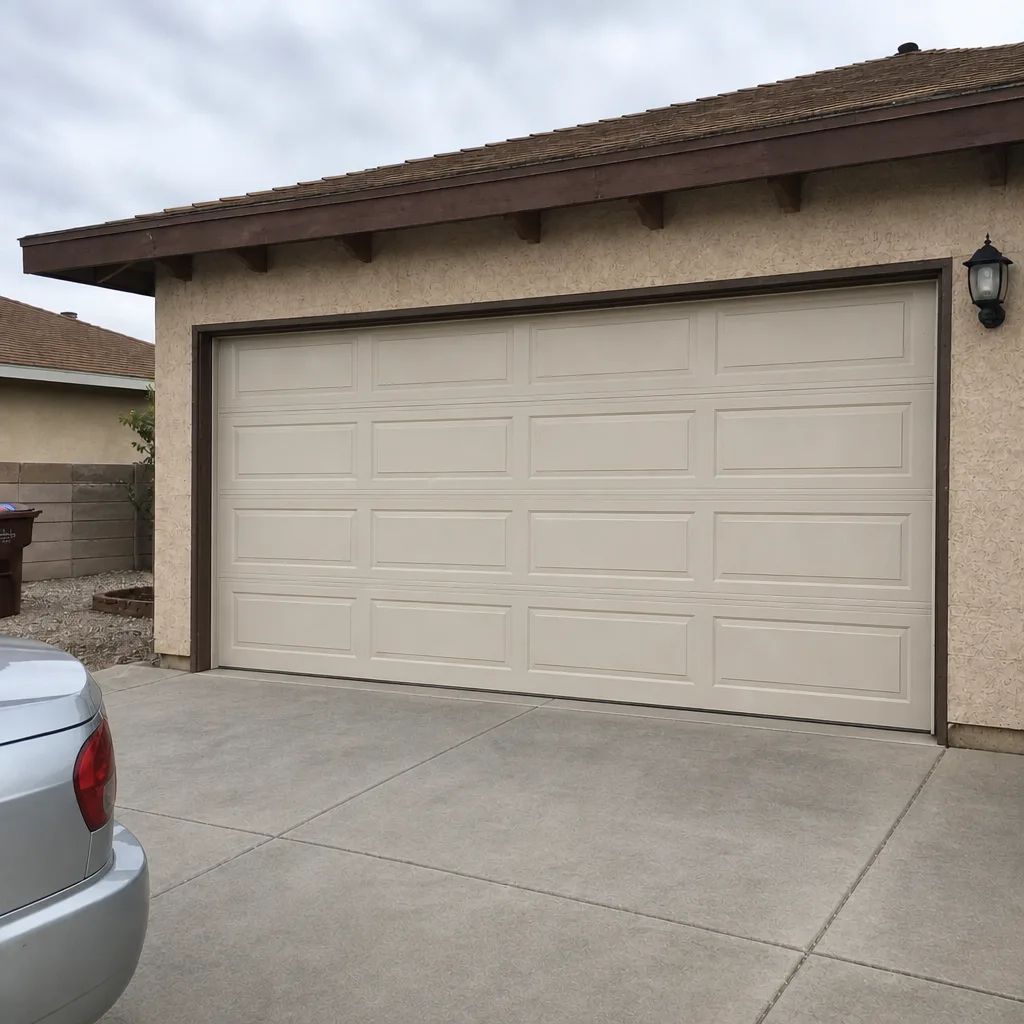
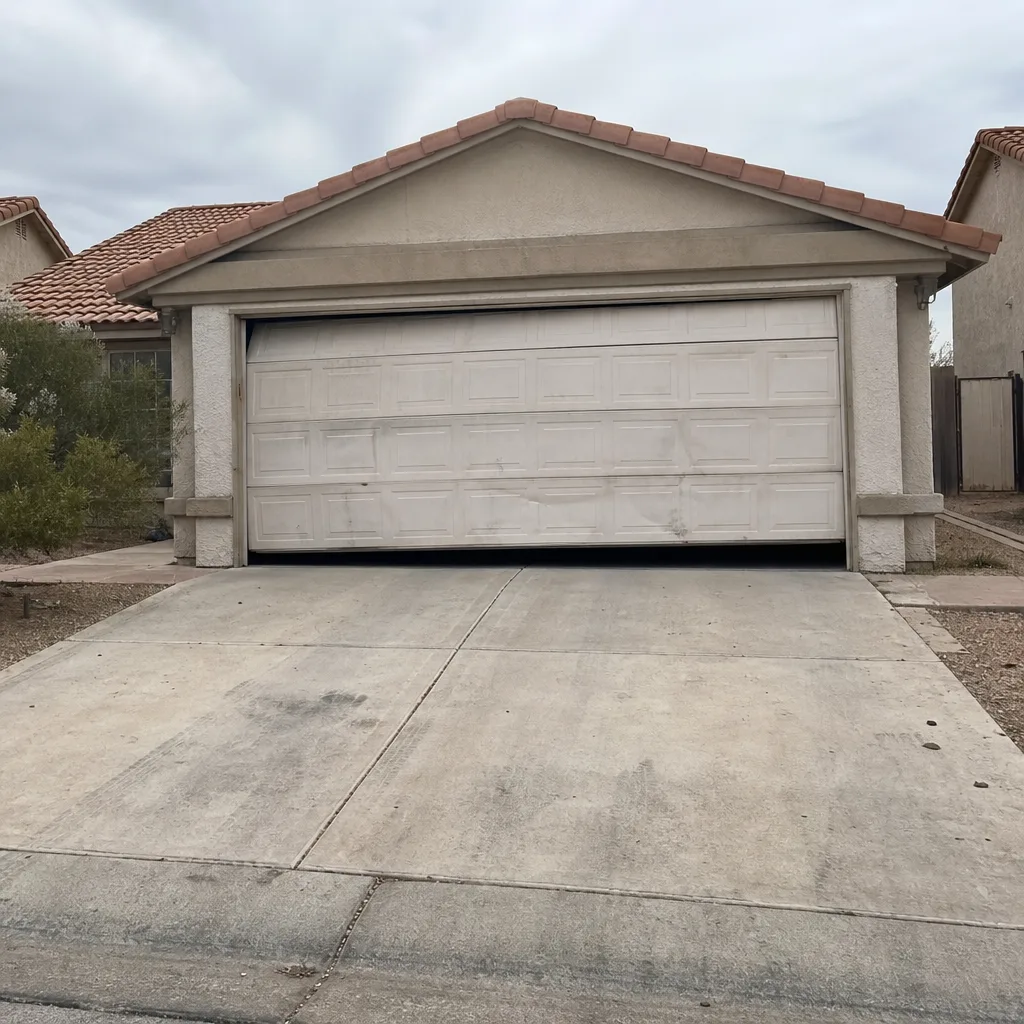
See the difference
 Before
 After
 Before
 After
 Before
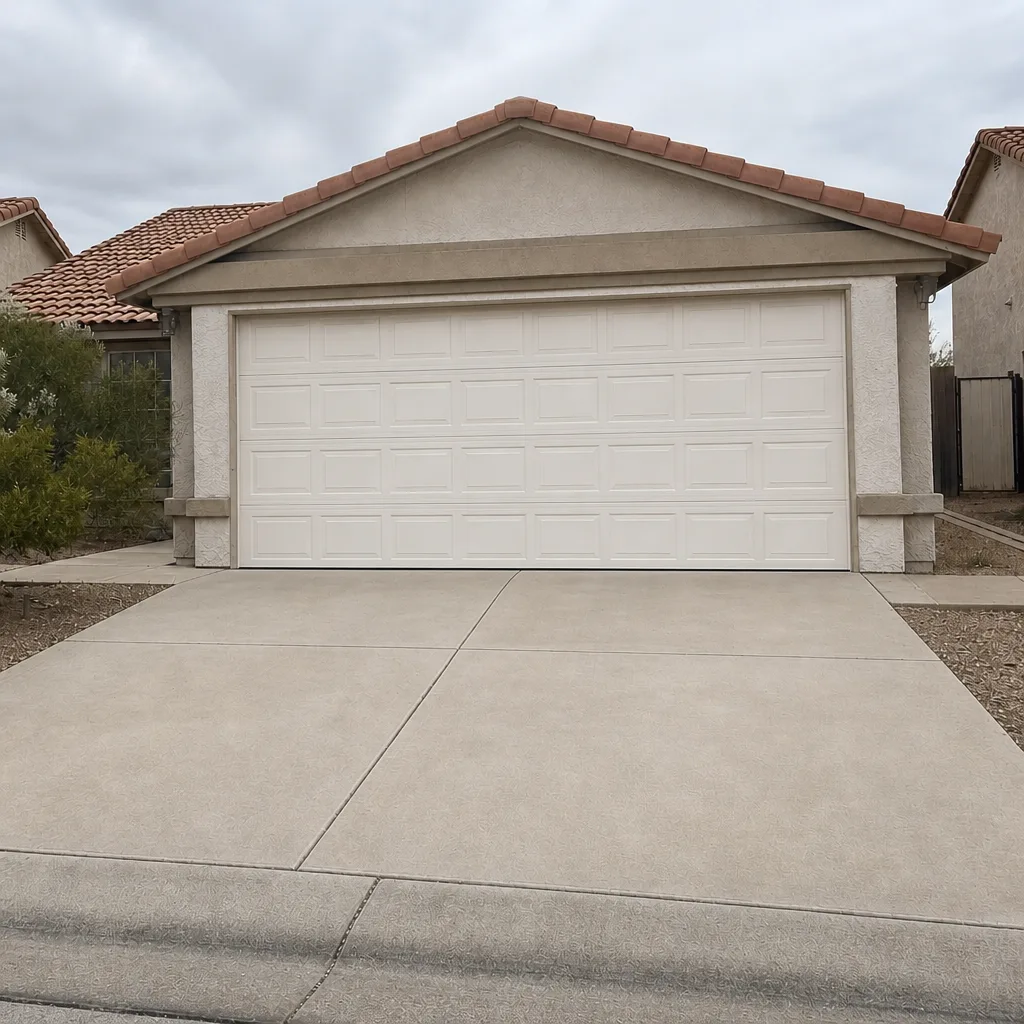 After
When to Call a Professional
If the door is making a new sound, refusing to reverse, or has a spring that’s visibly worn or stripped, call a professional before the next use. If any part of the job lands on the stop list above (springs, cables, tracks, opener force limits), stop and call. Bramwell Garage Door Repair Boulder City offers free estimates in Boulder City; call (844) 560-4479 and a live person will answer 24 hours a day, including nights and weekends. Every Bramwell location is independently owned and operated, and it works to the same four Kingswell standards: a written price before the work starts, a real arrival window, a clean job site, and a written guarantee on every repair. If a covered repair fails inside the guarantee period, we come back at no charge.
Frequently Asked Questions
Test the photo-eye and mechanical reverse every month. Boulder City’s fine desert dust and bright afternoon sun both affect the sensors, so monthly testing catches marginal alignment before it becomes a failure. It takes two minutes and needs no tools. If the door doesn’t reverse on either test, stop using it and call us at (844) 560-4479.
Use a silicone-based spray on the torsion spring and roller bearings and a light white lithium grease on the hinges and pivot arms. Avoid standard WD-40 (which is a solvent that strips coatings) and avoid heavy grease (which traps desert grit). Apply a light coating twice a year, in March and October, and never apply lubricant to the photo-eye lenses.
Rubbing on one side almost always means the vertical track has gone out of plumb. In older Boulder City homes, the most common cause is settling ground or a shifted slab twisting the door frame. Don’t force the door; call a professional to check and realign the track, and stop using the door until it’s assessed.
Most garage door springs are rated for 10,000 to 20,000 cycles, which often means 7 to 12 years for a typical household. Boulder City’s heat and dry air can shorten that, and the extra load from a door that isn’t balanced accelerates wear further. If your door is over ten years old and never had a spring inspection, schedule one.
No. Under the Kingswell Guarantee, the written price you receive before any work starts is the price on the invoice. If a technician finds a second issue, you’ll be shown a new written price for that work, and you decide before any additional repair starts. Call (844) 560-4479 for a free estimate.
Yes. Bramwell Garage Door Repair Boulder City technicians are background-checked, insured, and arrive in uniform within the arrival window. Every repair is covered by the written Kingswell Guarantee and the 365-Day Done Right Promise. Call (844) 560-4479 and a live person will answer, any hour.
The Bottom Line
A garage door in Boulder City needs a different maintenance routine from the generic checklist you’ll find online. The two biggest threats are 110°F heat that wears out nylon rollers and photo-eye alignment, and desert grit that grinds the tracks from the inside. Test the safety reverse every month. Lubricate with a lithium or silicone product twice a year. Watch the tracks for signs of ground settling. And stop immediately at any task involving springs or cables, because the risk to a homeowner is real, and a licensed technician with up to 25 years of experience should be the one working that hardware. Start your checklist this month, and if a repair is already overdue, call (844) 560-4479 for a free estimate. Our Bramwell Garage Door Repair Boulder City home page has the full service list, and a live person answers the phone 24 hours a day.
Written by the team at Bramwell Garage Door Repair Boulder City.