
Last updated November 18, 2026
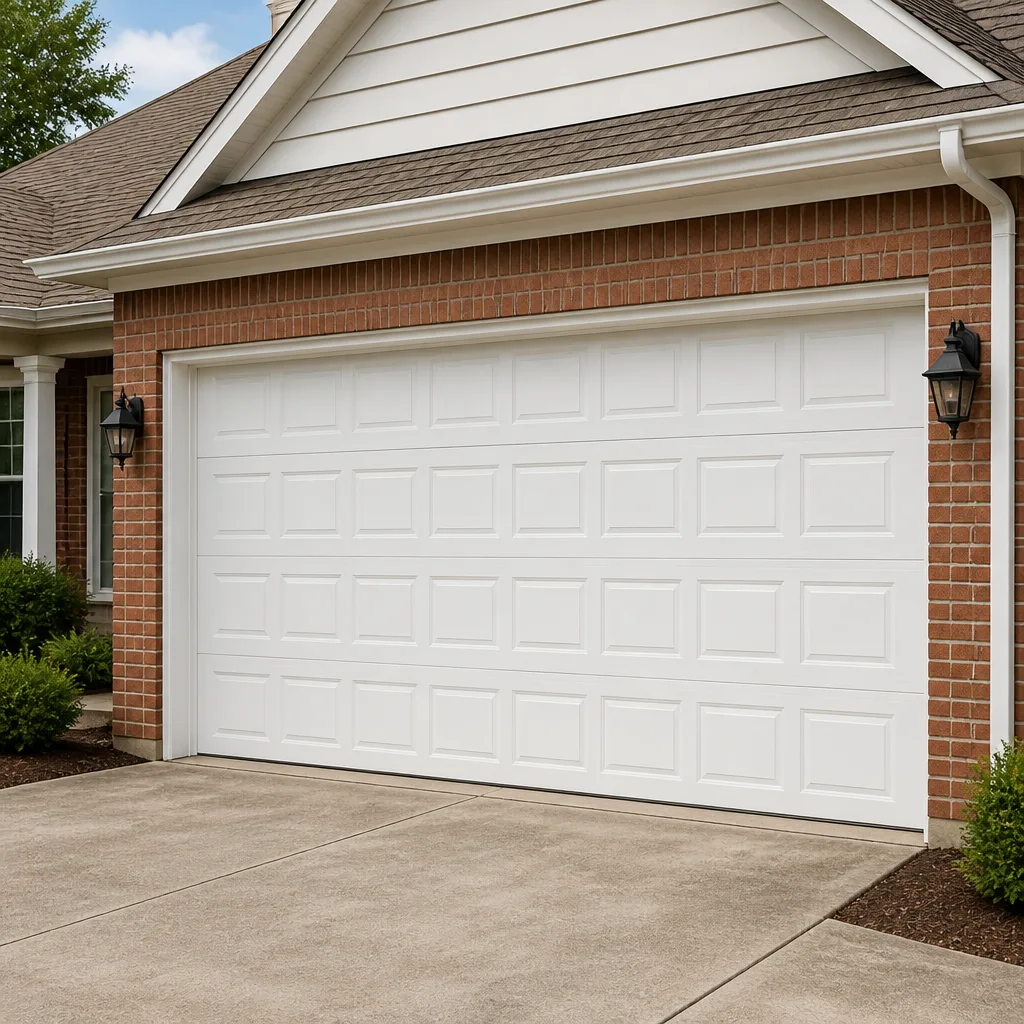 Raised-panel steel
 Carriage house
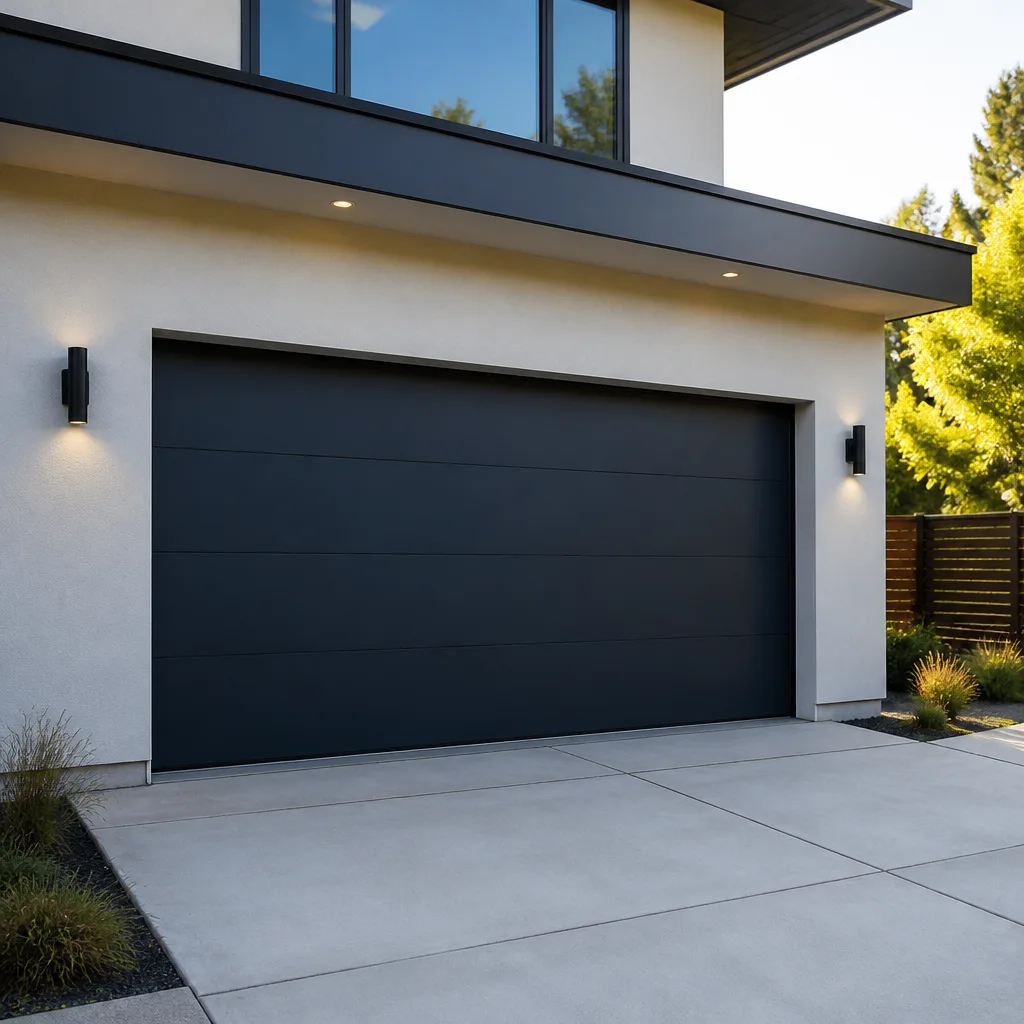 Modern flush
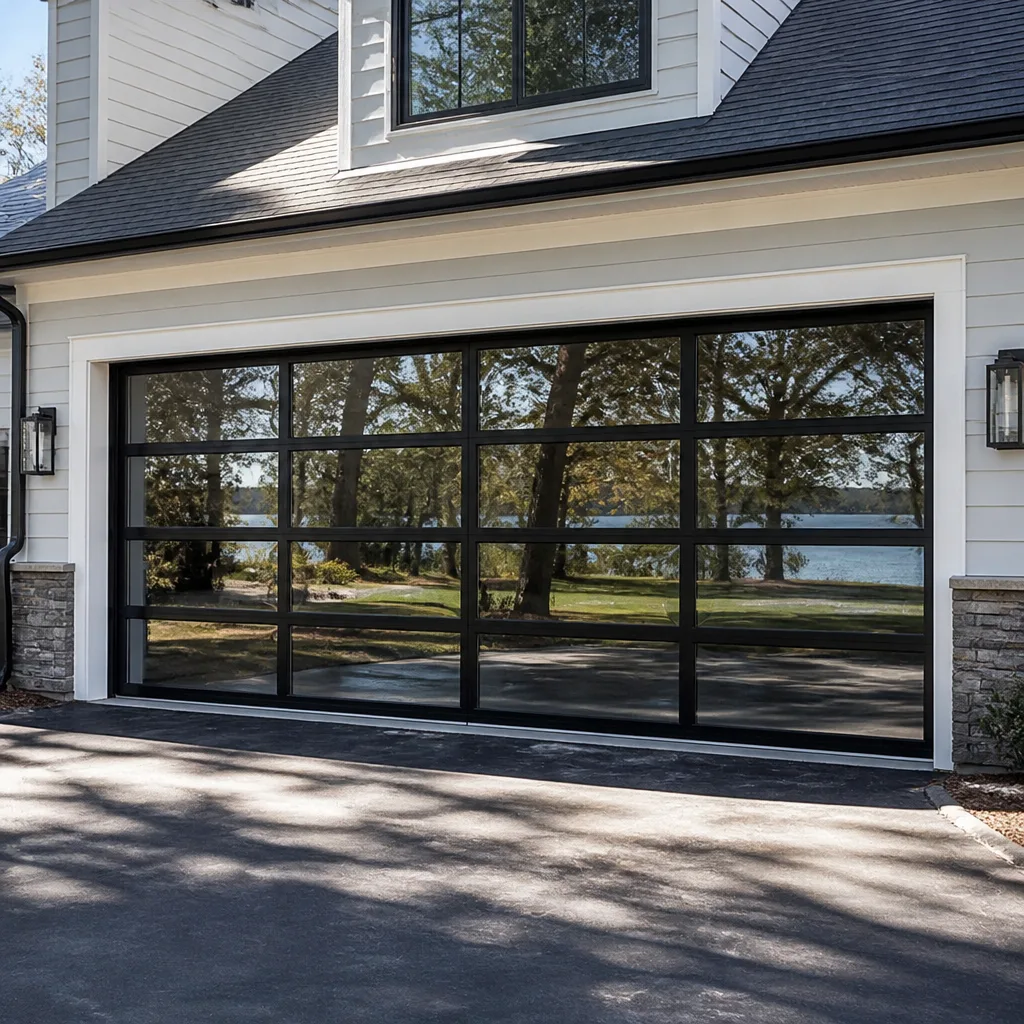 Full-view glass
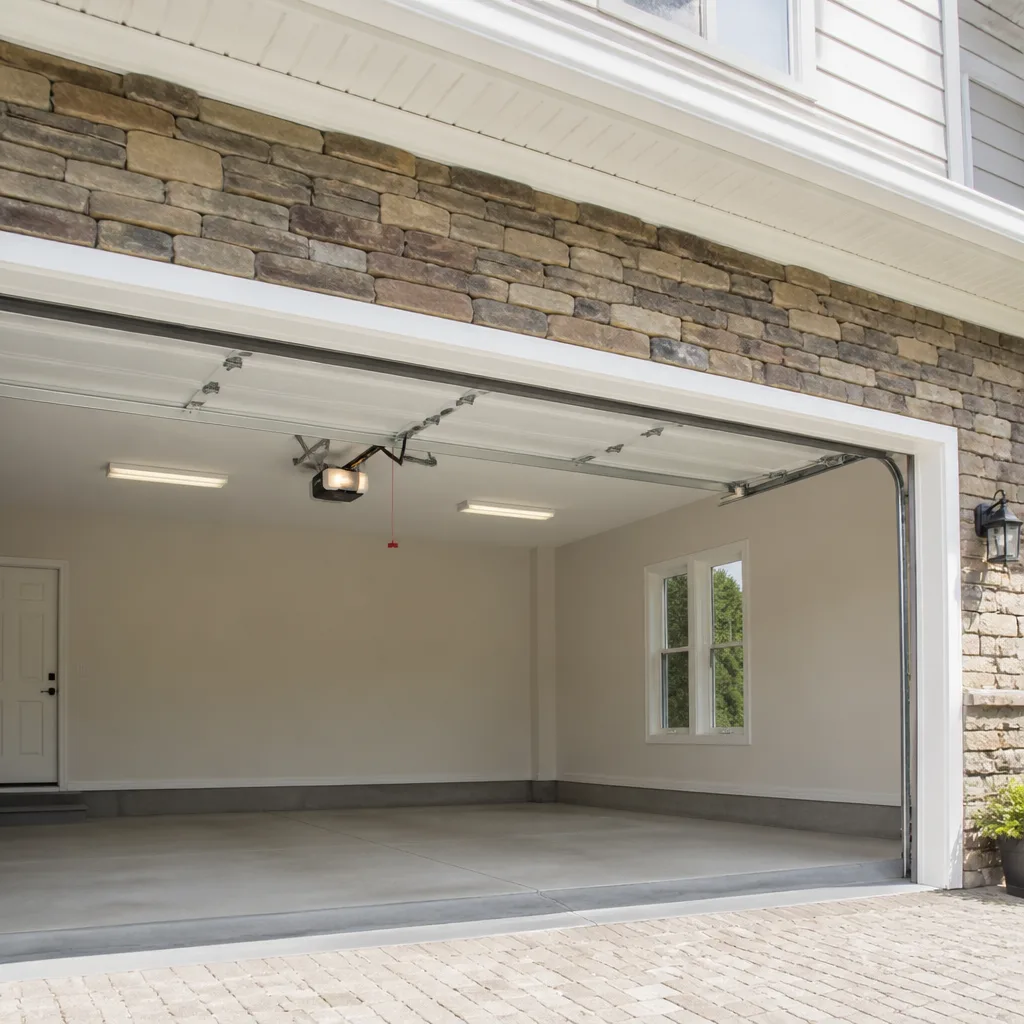 LiftMaster openers
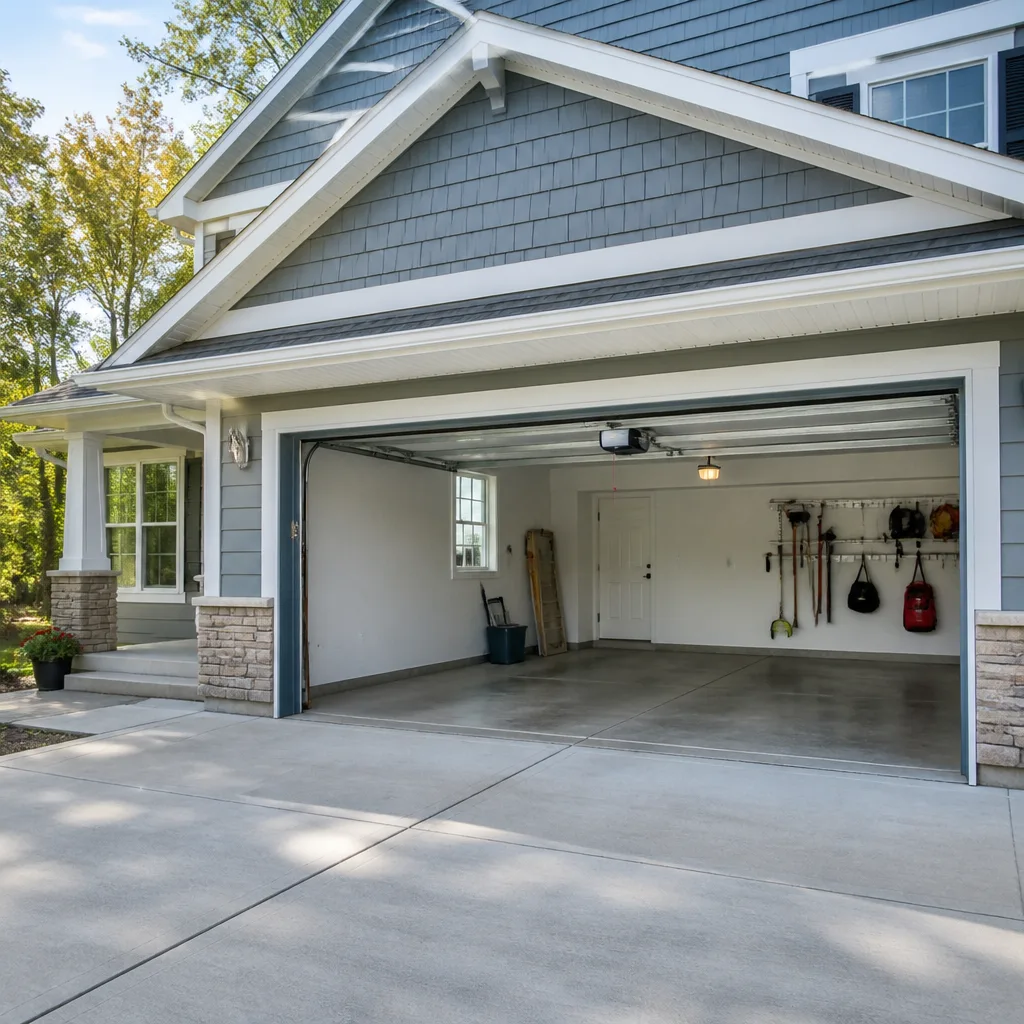 Chamberlain openers
Full 25-point door and opener safety check with every visit - springs, cables, rollers, tracks, and your LiftMaster or Chamberlain opener included
You get a price before we start. It does not change when the pro arrives.
Get your free estimateSeasonal Garage Door Care for Boulder City: Year-Round Homeowner’s Guide
Most garage door guides hand you the same spring-and-fall checklist they give homeowners in Ohio. Boulder City doesn’t work that way. Here the door system answers to a heat cycle, a wind season, and a short cold snap, and each one attacks a different part of the door. The swing between a July afternoon and a January night in the Mojave can top 90°F, and that expansion and contraction works metal tracks and springs every single day. Ignore it in winter and it shows up as a snapped spring the following summer. This guide maps real maintenance tasks to Boulder City’s actual climate calendar.
Quick Answer
Garage door care in Boulder City follows a heat-wind-cold cycle, not four seasons. Check spring tension and roller condition in April and May before peak heat, protect the opener motor and consider insulation through June to September, clear dust from tracks and photo-eye lenses during the October and November wind season, and watch for tightened cable drum tension when metal contracts in the December to February cold snap.
Styles & brands we work with
- Raised-panel steel
- Carriage house
- Modern flush
- Full-view glass
- LiftMaster openers
- Chamberlain openers
Table of Contents
- Why Boulder City Follows a Heat Cycle, Not Four Seasons
- Pre-Summer Prep (April-May): Before the Heat Arrives
- Summer Operation (June-September): Heat, Motors, and Insulation
- Wind Season (October-November): Dust, Tracks, and Photo-Eyes
- Winter Cold Snap (December-February): Contraction and Cable Tension
- Your Printable Seasonal Task Calendar
- Common Mistakes to Avoid
- When to Call a Professional
Why Boulder City Follows a Heat Cycle, Not Four Seasons
Boulder City sits in the Mojave at roughly 2,500 feet, and that elevation softens the worst of the summer while leaving the daily swing intact. A July afternoon can run past 105°F, then drop into the 70s after dark. January nights dip near freezing. That’s a huge daily expansion and contraction range, and your door hardware feels every degree of it.
Metal is the part that suffers most. Tracks, hinges, and the torsion spring all expand in heat and contract in cold. A torsion spring is the heavy coil mounted above the door that handles most of the lifting weight. It’s under extreme tension at all times, and repeated thermal cycling slowly changes how it carries that load. Nylon rollers, meanwhile, get soft and flat-spotted above 100°F. The seals along the bottom of the door dry out and crack in the dry desert air.
What this means practically: Boulder City garage doors don’t fail randomly. They fail on a schedule that tracks the weather. Work with that schedule and you catch most problems while they’re still cheap. Ignore it and you’re paying for an emergency call in August. For anything beyond basic visual checks, our Garage Door Repair in Boulder City team handles the heavy lifting on springs and cables safely.
Pre-Summer Prep (April-May): Before the Heat Arrives
April and May are the most valuable maintenance weeks on the Boulder City calendar. The reason is simple: once the heat settles in, you can’t easily judge whether your spring is healthy, because everything is already running hot and stressed. Check it before peak heat, when the door is behaving normally.
A spring nearing the end of its life stretches and loses tension gradually. If you address it in May, you replace a tired spring on a scheduled visit. If you wait until July, you call us because the door won’t lift. Same part, very different day.
- Test the balance. Disconnect the opener (pull the red release cord) and lift the door halfway by hand. It should hold in place. If it drops or feels very heavy, the spring tension needs attention.
- Inspect nylon rollers. Look for flat spots, cracks, or a glossy melted look. Above 100°F these soften fast. Worn rollers make the whole door loud and drag on the opener.
- Check the weather seal. Run a hand along the bottom seal. Cracking or a gap means heat and dust are getting in all summer.
- Lubricate the tracks and hinges. A light silicone-based lubricant on rollers, hinges, and the spring (never a heavy grease that traps dust) keeps things moving smoothly.
- Confirm the auto-reverse and photo-eye safety features work. Place an object in the door’s path and check it reverses; break the photo-eye beam and confirm the door won’t close.
Most torsion-spring replacements run $150-$280, parts and labor included, and handling a tired spring in spring costs you a scheduled visit instead of a hot-weekend emergency. On this trade you never adjust or replace a torsion spring yourself: that coil stores enough energy to cause serious injury, so a trained technician using proper winding bars should do it. Our Garage Door Spring Repair in Boulder City service covers exactly this kind of check-and-replace visit.
Summer Operation (June-September): Heat, Motors, and Insulation
Summer is where the opener motor does its hardest work. Most Boulder City garages are uninsulated or lightly insulated, and an uninsulated garage on a 105°F day can push well past 120°F inside. The opener is rated for a working temperature range, and when the motor sits above that range it runs hotter, cycles its thermal overload protection, and ages faster.
What you can do about heat buildup:
- Give the motor air. Don’t store boxes or bikes tight against the opener unit. Leave clearance around the housing so it can shed heat.
- Check the manual’s duty cycle. If your opener is rated for a set number of cycles per hour, don’t run the door up and down repeatedly in the heat. It will trip its overload.
- Listen for strain. A motor that grinds, hums, or stops mid-travel in summer is often overheating. That’s a sign it needs service, not a sign to hit the remote again.
- Open a vent or window if your garage has one, so hot air has somewhere to go.
Insulation is worth considering here, and the numbers matter. An insulated garage door in the R-9 to R-12 range noticeably cuts heat transfer, and a higher R-value helps if the garage shares a wall with air-conditioned living space. A LiftMaster or Craftsman opener on an insulated door runs cooler and quieter through the summer than the same opener on a bare steel door. If you’re weighing an upgrade, our Garage Door Installation in Boulder City team can talk through R-values against your actual garage.
Wind Season (October-November): Dust, Tracks, and Photo-Eyes
October and November bring the wind that runs through the Colorado River corridor, and it carries fine desert dust and grit. That grit is the quiet enemy of a smooth-running door. It settles into the tracks, packs into the roller bearings, and coats the photo-eye lenses at the base of the door frame.
The photo-eye safety sensors are the small lenses mounted near the floor on each side of the door. They shoot an invisible beam across the opening, and if anything breaks that beam the door won’t close. A film of dust on the lens blocks the beam just as effectively as a box in the doorway. In our experience, a large share of “my door won’t close” calls in fall come down to a dirty photo-eye that a clean cloth would fix.
A short wind-season routine keeps things working:
- Wipe the photo-eye lenses with a soft, dry cloth. Do it on both sides. Test by breaking the beam and confirming the door reverses.
- Vacuum or blow grit out of the tracks. Use a brush or a shop vac, not a hose.
- Re-lubricate rollers and hinges after cleaning. A dry roller wears fast.
- Look at the bottom seal for trapped grit. Dust packed under the seal scratches the floor and lets wind in.
Raynor and Wayne Dalton doors, common on older Boulder City homes, are solid hardware, but their steel tracks collect grit the same as any other. Clean tracks and lenses are the cheapest maintenance you’ll do all year.
Winter Cold Snap (December-February): Contraction and Cable Tension
December through February in Boulder City is a brief, mild cold stretch, but the temperature still drops enough at night to shrink metal. When the tracks and cables contract, the cable drums at the top corners can sit tighter, and a cable that was fine in October can now be under more strain. A frayed cable is a real hazard, and this is where you want to look before something lets go.
What to watch for:
- Frayed or kinked cables. Inspect the cables running along each side of the door. Fraying, kinks, or slack are all warning signs.
- A suddenly loud or jerky door. Cold stiffens lubricant and tightens moving parts. More noise than usual in January often means lubrication or adjustment is due.
- A door that drifts or won’t stay up. As the spring responds to cold, balance can shift. If the door won’t hold, the spring needs a professional look.
- Stiff hinges and rollers. A cold-weather lubricant keeps them moving.
This is also where a smart homeowner budgets the annual service call. Getting the cable and spring tension checked in early winter catches the contraction problem before it becomes a snapped cable. Cables and springs are both under dangerous tension: never loosen, cut, or adjust a cable or spring yourself, and call a trained technician instead. The same caution applies to the door’s torsion spring if it looks slack or the door balance is off. If you notice any of these signs, our team at the Bramwell Garage Door Repair Boulder City home page can connect you with a technician who works to the four Kingswell standards.
Your Printable Seasonal Task Calendar
Print this and tape it inside the garage door frame. It maps the tasks above to Boulder City’s actual climate calendar so you’re never guessing what to do when.
- April-May (pre-summer): Test door balance by hand. Inspect and lubricate rollers. Check the bottom seal. Confirm auto-reverse and photo-eye safety. Have a tired spring checked before peak heat.
- June-September (summer): Keep clearance around the opener motor. Watch for overheating or grinding. Avoid repeated cycling in the heat. Consider R-9 to R-12 insulation if the garage shares a wall with living space.
- October-November (wind season): Wipe both photo-eye lenses. Clean grit from tracks. Re-lubricate rollers and hinges. Check the bottom seal for trapped dust.
- December-February (cold snap): Inspect cables for fraying, kinks, or slack. Check spring balance. Lubricate hinges and rollers with a cold-weather product. Schedule an annual service check.
- Year-round: Never adjust a torsion spring, cable, or drum yourself. Those parts store dangerous energy and belong to a trained technician.
Common Mistakes to Avoid
- Following a national spring-and-fall checklist. A generic template misses the wind season and the heat cycle entirely. Boulder City’s dust and summer heat hit different parts of the door than a Midwest winter does.
- Greasing the tracks. Tracks should stay clean and dry, with lubrication on rollers and hinges only. Grease in the tracks traps desert dust into a grinding paste.
- Ignoring the photo-eye until the door won’t close. A dirty lens during wind season is the most common no-close cause. Clean it before you call.
- Repeatedly running a hot motor. Cycling the door over and over on a 105°F day trips the overload and shortens motor life. Give it a break.
- Assuming a loud winter door is normal. Contraction and stiff lubricant cause real noise, and it’s a signal to lubricate or adjust, not a quirk to live with.
- Pulling the release cord and forgetting to re-engage. After a manual balance test, reconnect the opener trolley, or the motor will run without moving the door.
- Touching the spring or cables. The single most dangerous mistake on this list. Those parts can cause serious injury. Leave them to a professional.
When to Call a Professional
Some checks are yours to do. Others aren’t. Call a professional when the door won’t hold its balance, when you see a frayed or slack cable, when a spring looks slack or the door feels unusually heavy, when the opener overheats or stops mid-travel, or when the photo-eye won’t clear after cleaning. Those point to parts under tension or to electrical and mechanical failure that a homeowner shouldn’t take on. Anything that involves a spring, a cable, or a drum is a trained-technician job, full stop.
Bramwell Garage Door Repair Boulder City offers free estimates in Boulder City – call (844) 560-4479. A live person answers the phone 24 hours a day, 7 days a week, and our technicians have up to 25 years of experience. A written price is delivered before any work starts, and every repair is protected by the 365-Day Done Right Promise.
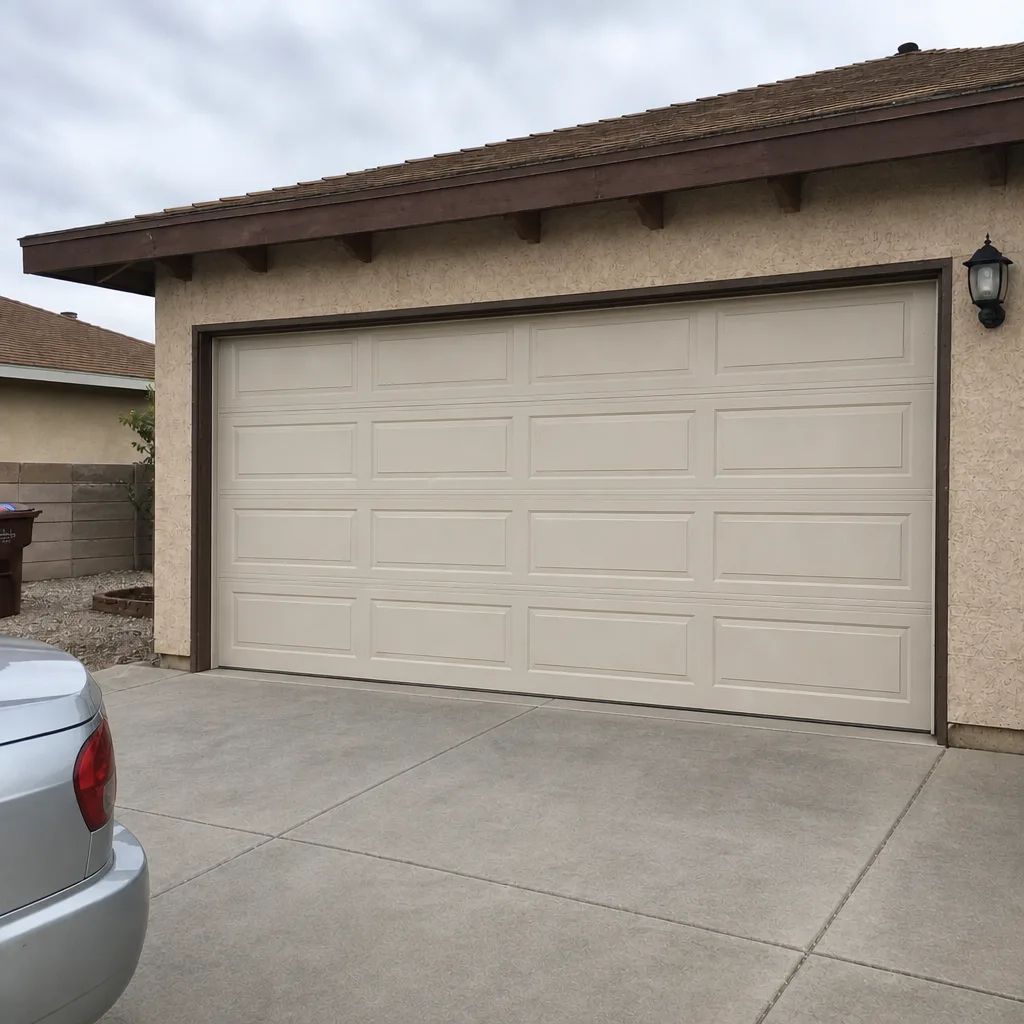
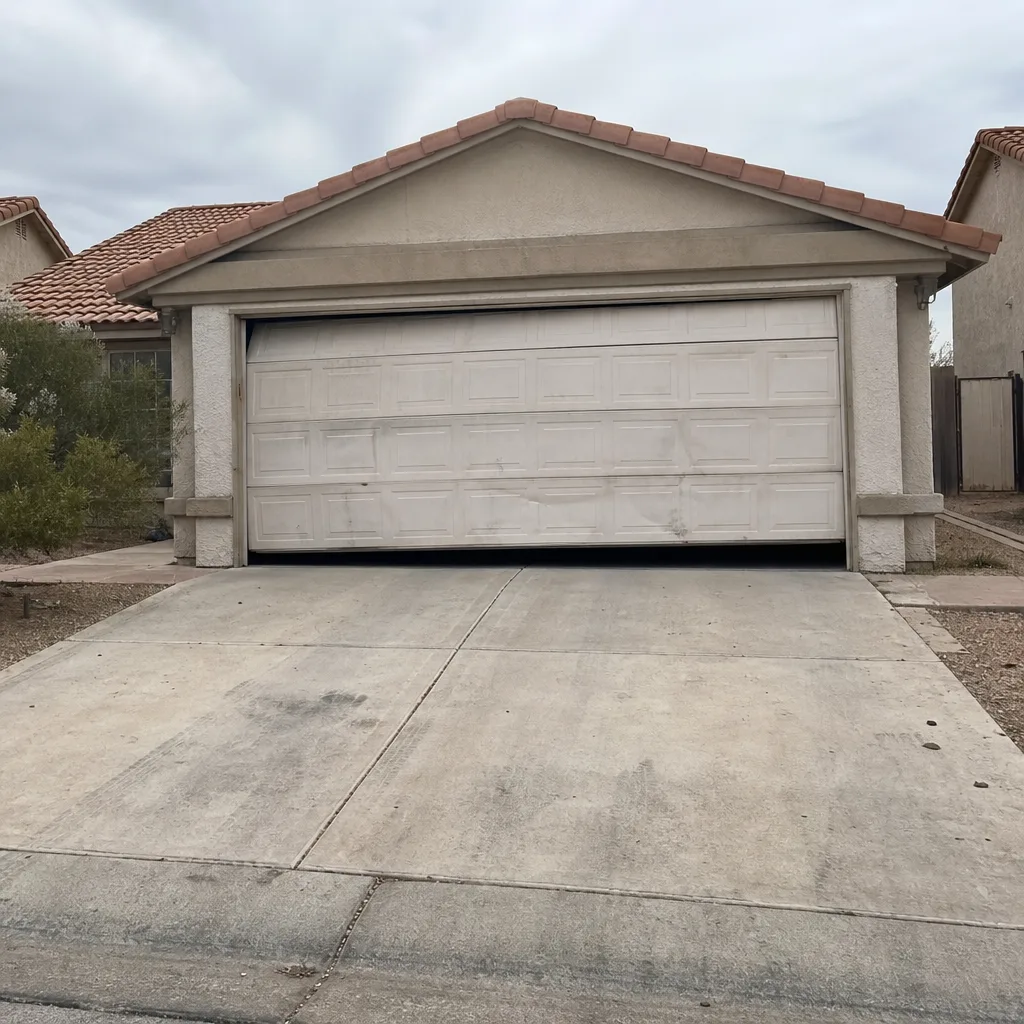
See the difference
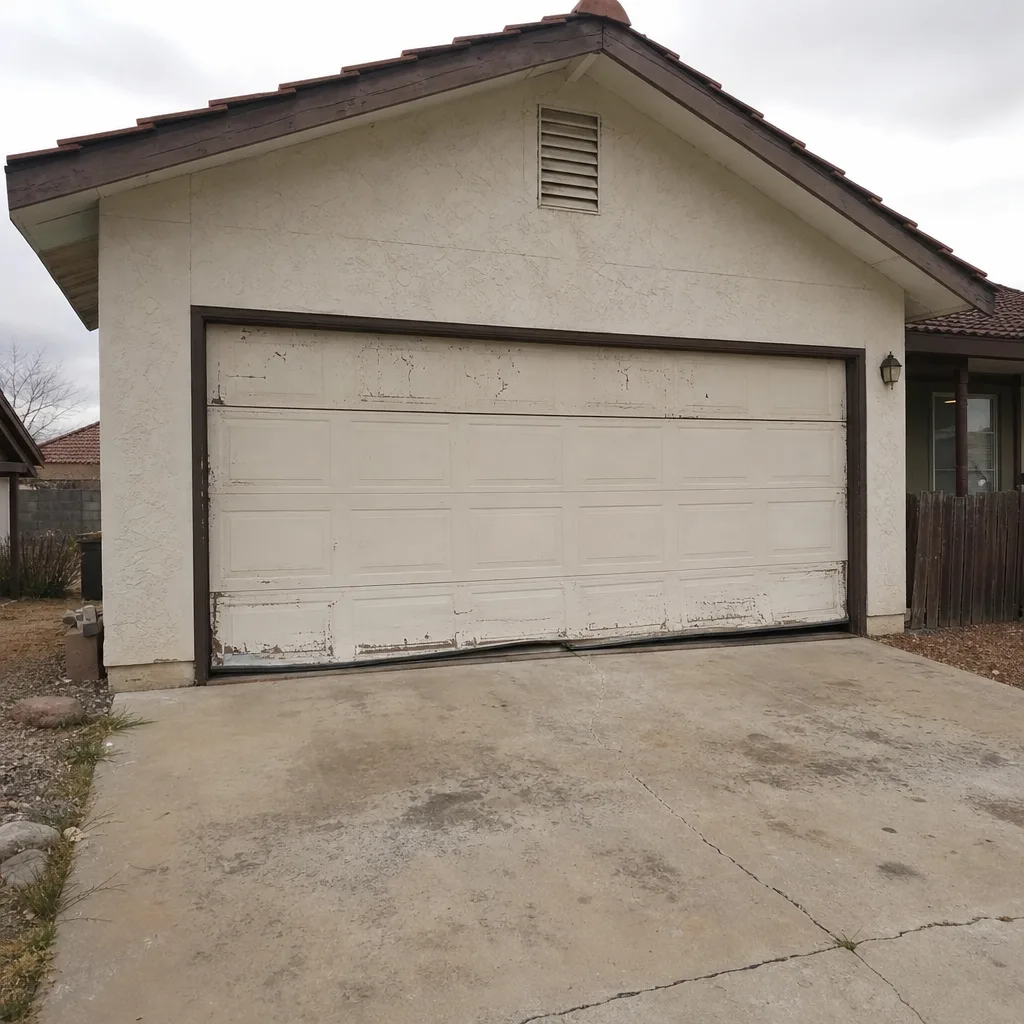 Before
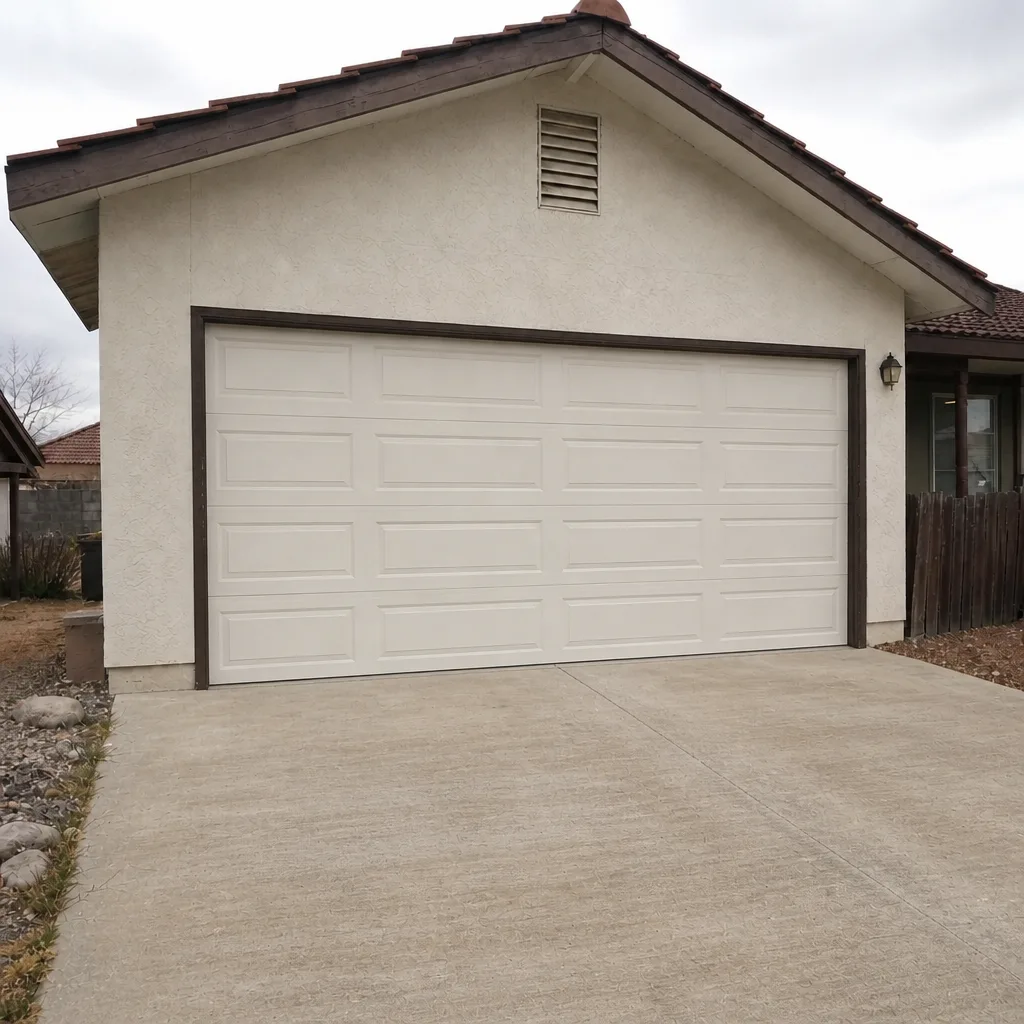 After
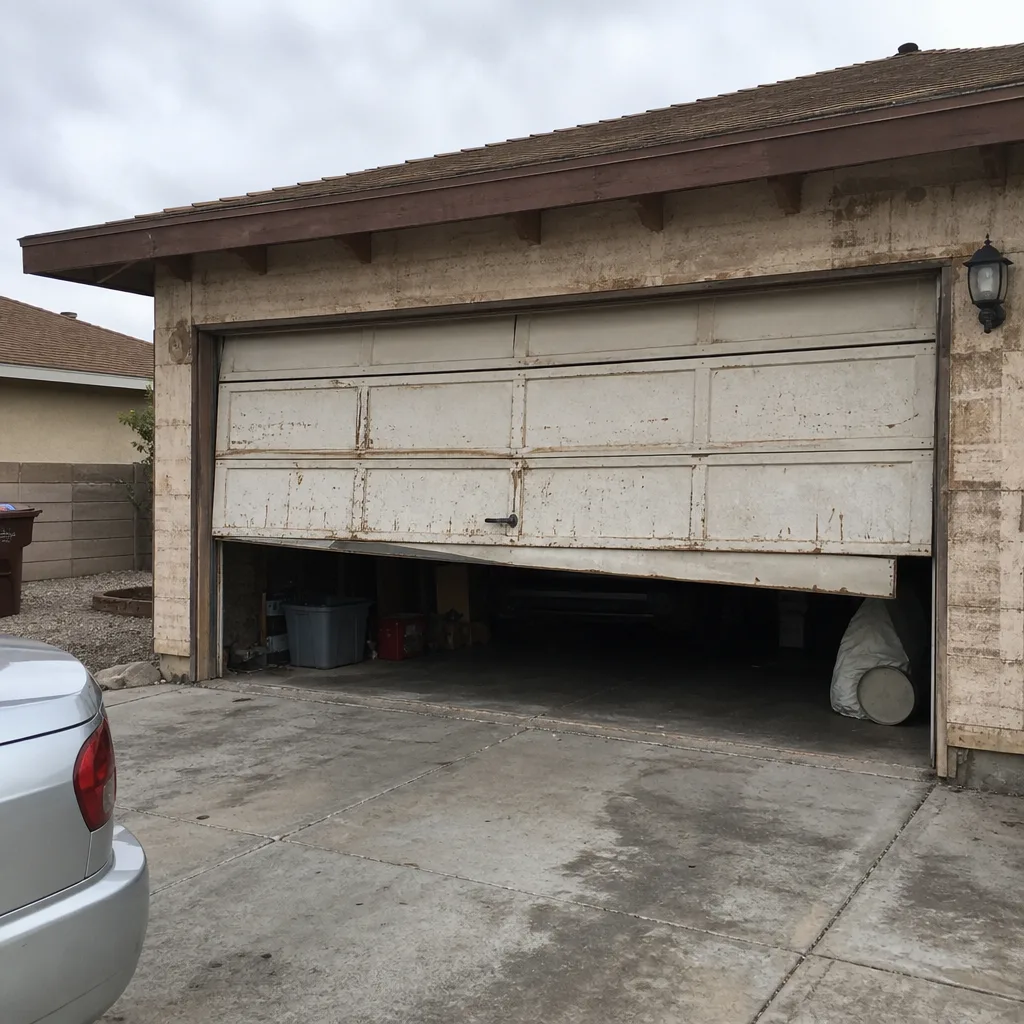 Before
 After
 Before
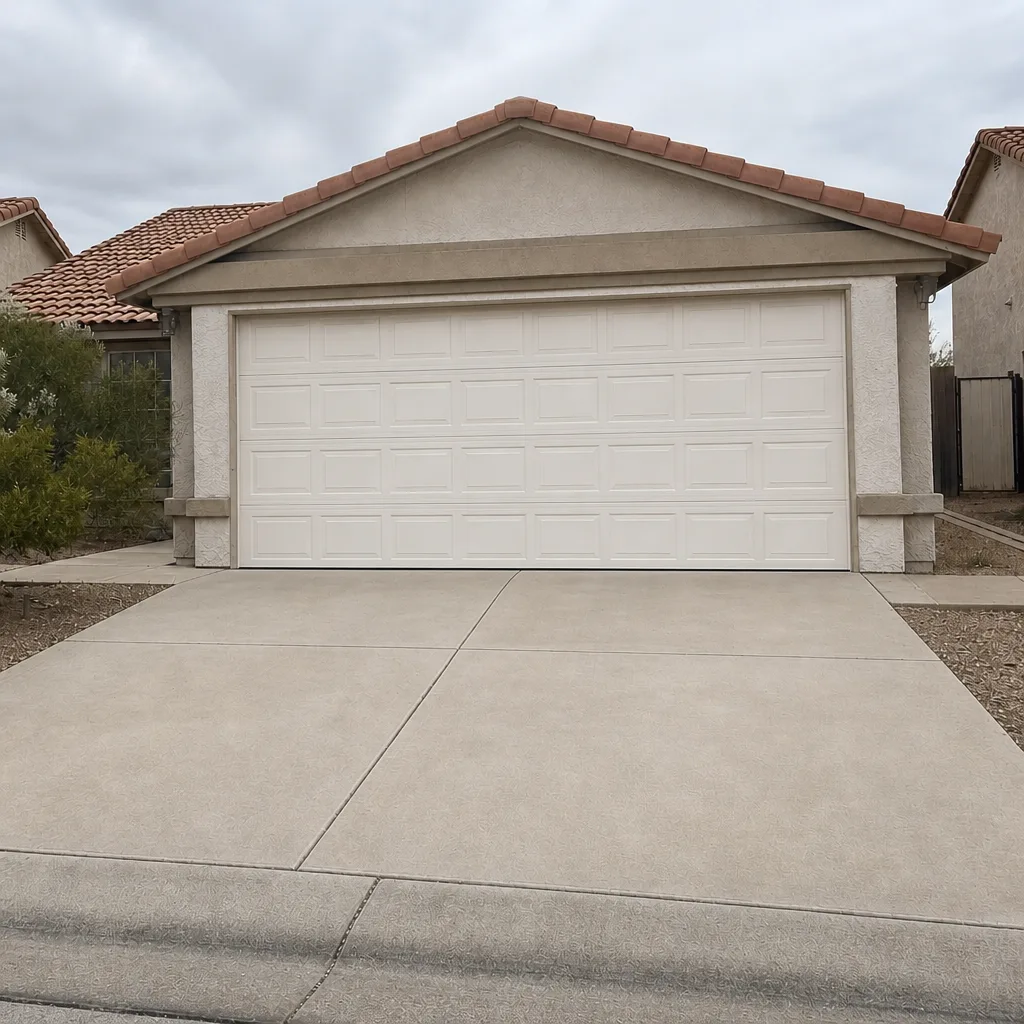 After
Frequently Asked Questions
Twice a year works for most Boulder City homes: once in April or May before peak heat, and once in November or December before the cold snap. Add a quick photo-eye and track clean during wind season in October. That schedule catches the spring, roller, and cable issues before they turn into emergency calls.
Heat softens nylon rollers and makes tracks expand, which changes how the door rides. A door that’s fine in March can sound rough in July. Lubricating rollers and hinges and checking for flat-spotted rollers usually quiets it. If the noise comes with grinding or stopping mid-travel, call (844) 560-4479 for a free estimate.
It’s worth considering, especially if your garage shares a wall with air-conditioned living space. An R-9 to R-12 door noticeably cuts heat transfer, and a higher R-value helps more. The opener also runs cooler on an insulated door. Attached garages see the biggest benefit.
Dust on the photo-eye lenses is the most likely cause. Wipe both lenses near the floor, then test by breaking the beam. If the door still won’t close after a clean, the sensor or its alignment needs a technician. Call (844) 560-4479 for an estimate.
Our technicians are background-checked, arrive in uniform within a stated arrival window, and present a written price before any work starts. They uphold the Kingswell standard on every visit, including the clean job site and the written guarantee. Call (844) 560-4479 to book an estimate.
No. The written price is delivered before any work starts, so the number on the invoice matches the number you were quoted. That’s the no-hassle upfront pricing standard we hold to. If a repair fails within the guarantee period, the 365-Day Done Right Promise means we come back and fix it at no charge. Call (844) 560-4479 for an exact quote – estimates are free.
The Bottom Line
Boulder City garage doors don’t wear out on a four-season clock. They wear out on a heat cycle, a wind season, and a short cold snap, and each one stresses a different part. Check spring and roller health in April and May, protect the opener and consider R-9 to R-12 insulation through the summer, clean tracks and photo-eyes during the October wind, and watch cable and spring tension in the winter cold snap. Do the simple visual checks yourself. Leave the springs, cables, and drums to a trained technician – that’s where the real danger lives. Print the calendar, run the tasks on schedule, and most emergency calls never happen.
Ready for a seasonal check or a repair? Call Bramwell Garage Door Repair Boulder City at (844) 560-4479 for a free estimate. A live person answers 24/7, a written price comes before any work starts, and every repair is backed in writing by the Kingswell Guarantee.
Written by the team at Bramwell Garage Door Repair Boulder City.