
Last updated November 18, 2026
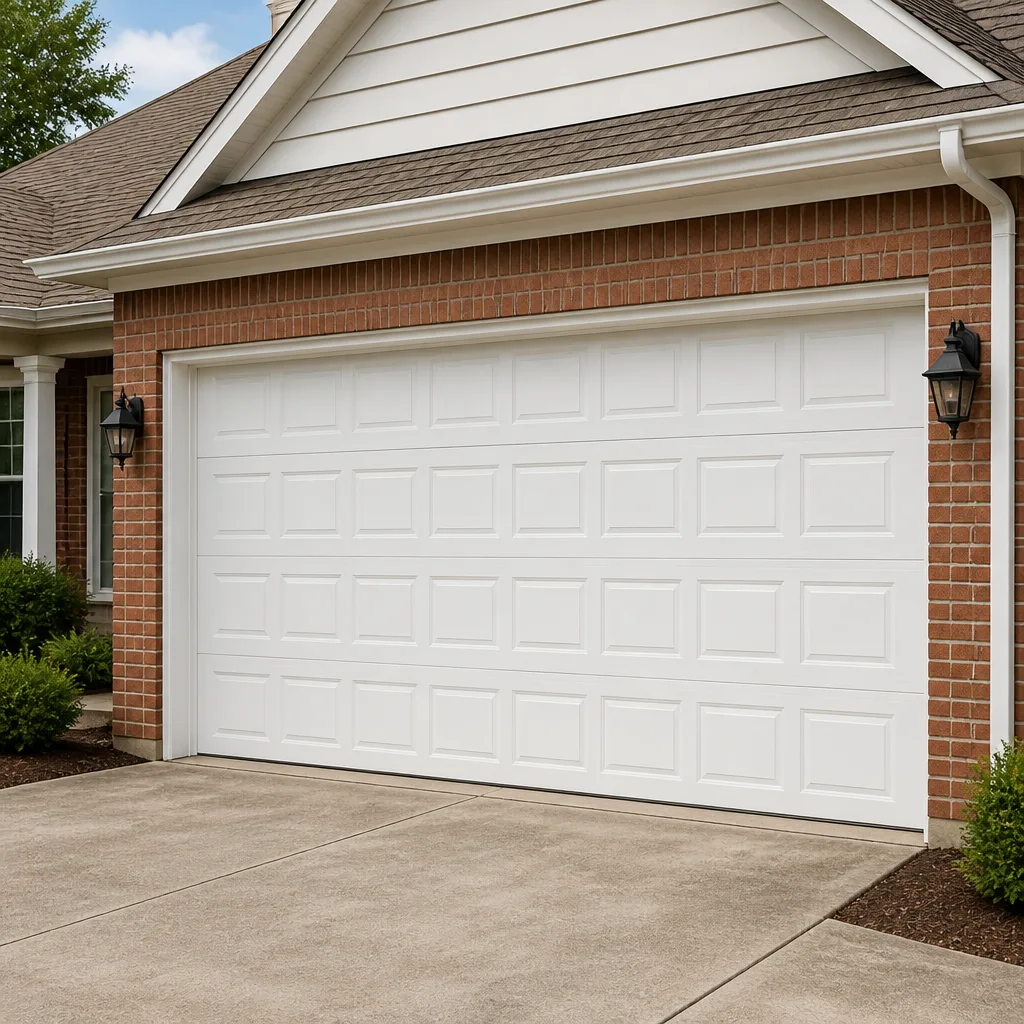 Raised-panel steel
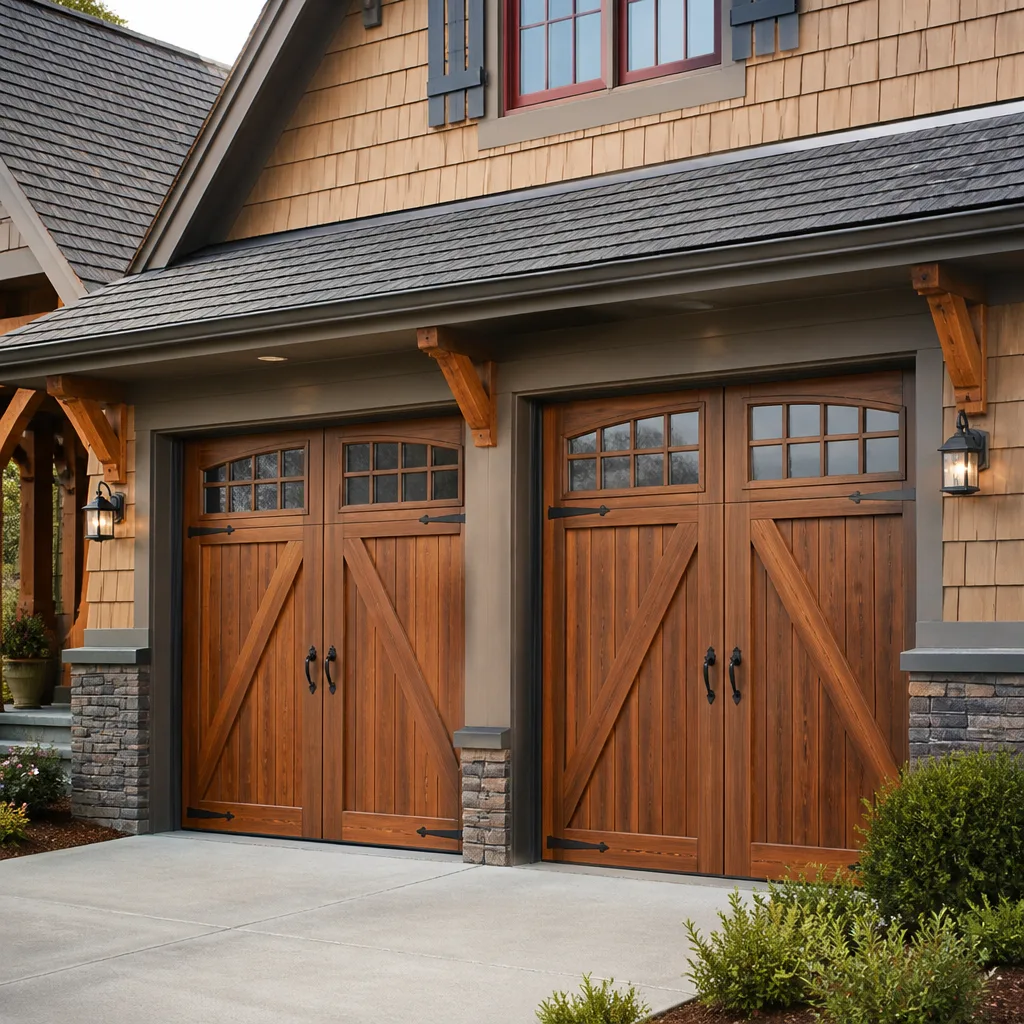 Carriage house
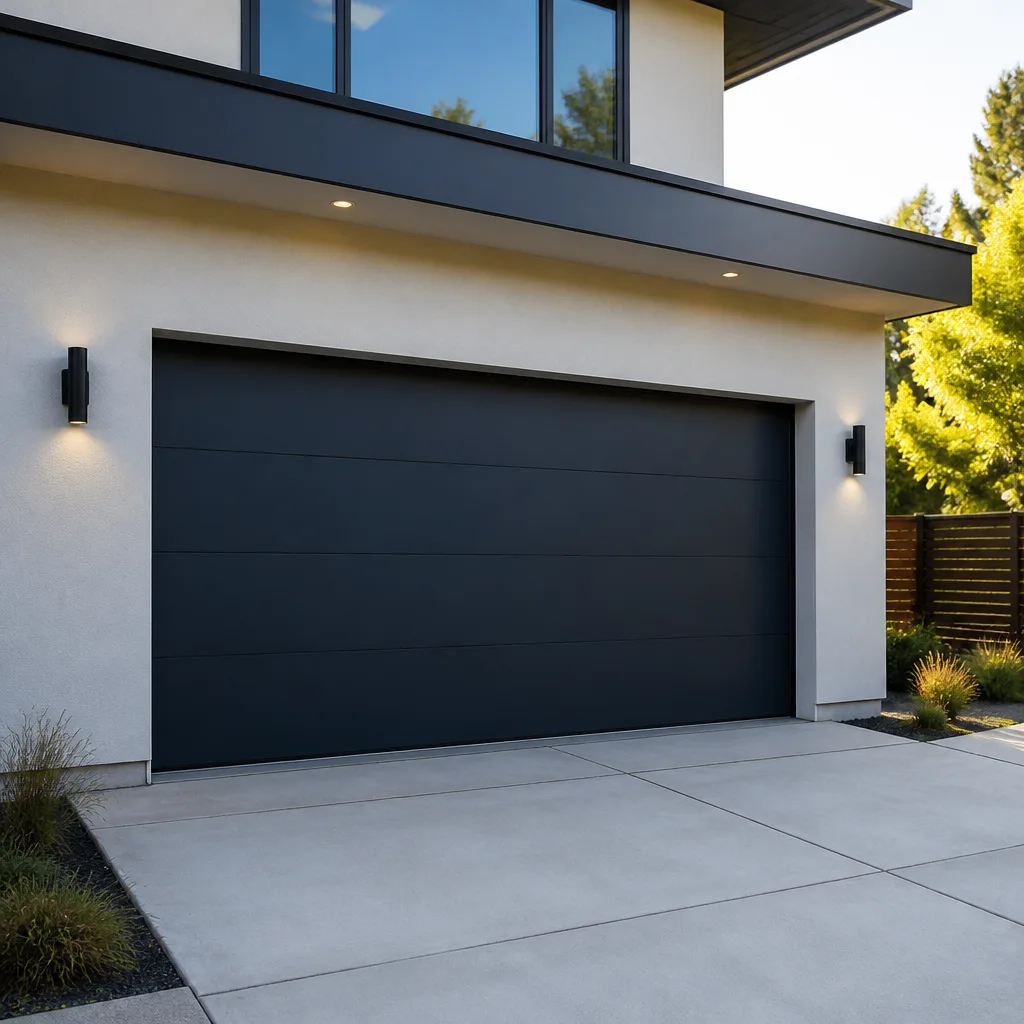 Modern flush
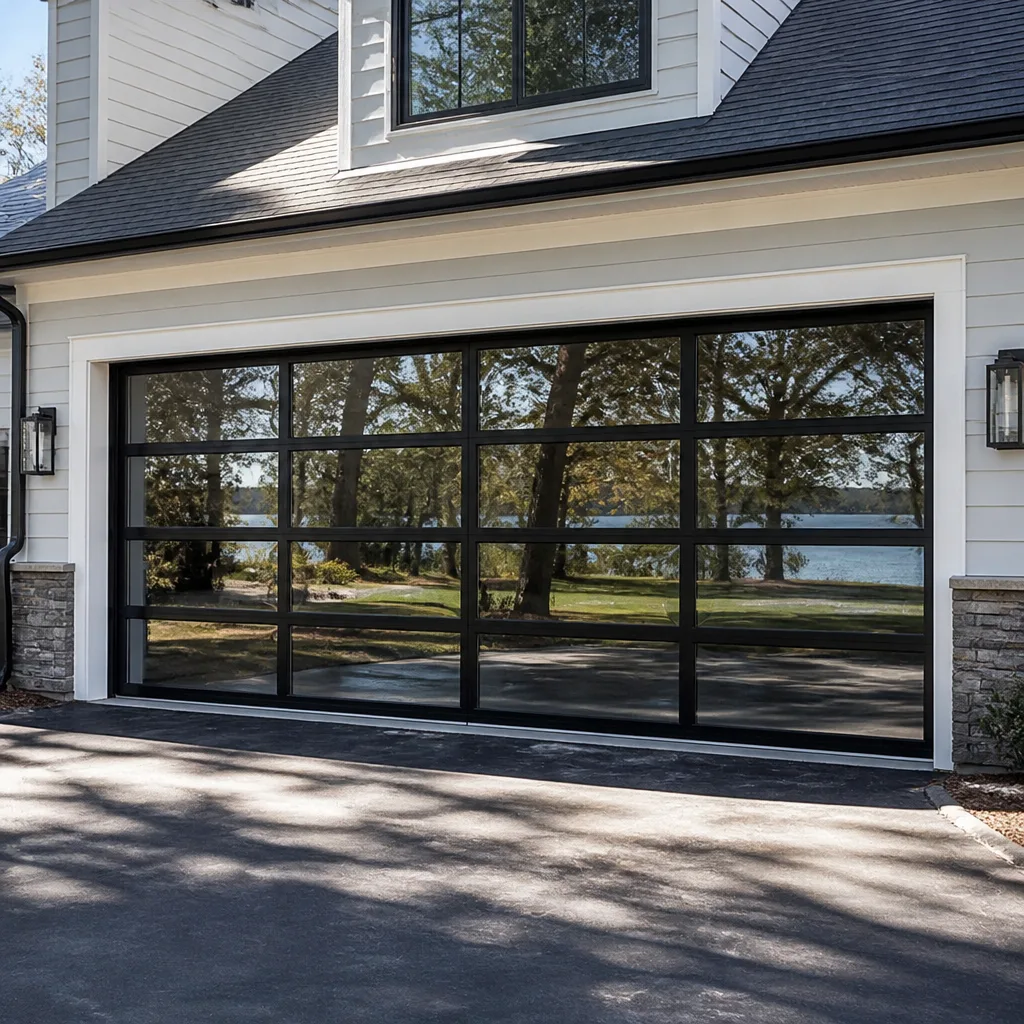 Full-view glass
 LiftMaster openers
 Chamberlain openers
Full 25-point door and opener safety check with every visit - springs, cables, rollers, tracks, and your LiftMaster or Chamberlain opener included
You get a price before we start. It does not change when the pro arrives.
Get your free estimateThe Complete Garage Door Opener Repair Guide for Boulder City Homeowners
Boulder City homeowners replace garage door openers more often than the national average, and the leading cause isn’t the opener wearing out. It’s the power. Summer peak-demand events on the local grid send small surges through the house, and those surges tend to kill the logic board while leaving the motor, the rail, and the remotes perfectly healthy. That single failure pattern explains a lot of the “my opener just quit” calls we get in Boulder City. This guide covers how to tell a dead logic board from a bad sensor, which drive type survives our dust, why a quarter-inch slab shift wrecks your door’s calibration, and what a fair repair quote should actually itemize.
Quick Answer
Most garage door opener failures in Boulder City trace back to one of four things: a fried logic board from a summer power surge, dust-clogged travel limits, misaligned safety sensors, or a floor slab that has shifted under the door and thrown off the down-limit. A technician can usually tell which one it is in under twenty minutes with the door in manual release, and the fix ranges from a sensor realignment at low cost to a full logic board swap. Around 30% of “opener stopped working” calls need no parts at all, just a sensor adjustment.
Styles & brands we work with
- Raised-panel steel
- Carriage house
- Modern flush
- Full-view glass
- LiftMaster openers
- Chamberlain openers
Table of Contents
- Chain, Belt, or Screw: Which Opener Drive Survives Boulder City Dust
- Why Logic Boards Fail in Boulder City and How to Spot It
- How Caliche Soil and Slab Shift Throw Off Your Limit Switch
- The Safety Sensor Check That Solves 30% of Calls
- Remotes, Keypads, and Wall Consoles: What’s Actually Broken
- What a Complete Opener Repair Quote Should Cover
- Keeping Your Opener Alive Through a Boulder City Summer
Chain, Belt, or Screw: Which Opener Drive Survives Boulder City Dust
The drive is the mechanism that pulls the door along the rail: the chain, the belt, or the threaded screw. Each one behaves differently in a dusty climate, and Boulder City is a dusty climate. The surrounding desert, the wind that funnels through the Eldorado Valley, and year-round construction traffic all load the air with fine grit that settles into an open rail channel.
Here’s how the three stack up for a Boulder City garage:
- Belt drive – the quietest option, and the one that handles dust best. A belt is a solid, sealed rubber band that doesn’t have the open links that hold grit. Less grit means less wear on the trolley and fewer false limits. For a garage that faces open desert, this is what we recommend most often. LiftMaster builds belt drives that hold up well here.
- Chain drive – the most common and the most durable over the long haul, but the exposed links collect dust and need occasional lubrication. Left dry, a chain in a dusty garage gets noisy and starts to chatter. Still a solid choice if you keep up with it.
- Screw drive – a threaded rod that travels through a nut. It’s strong, but in a gritty environment the threads pick up grit and the nut wears faster. It’s the least forgiving of dust of the three.
In our experience, belt drives accumulate the least grit in the rail channel, which is why they generate fewer limit-switch complaints in Boulder City garages that face open ground. If you’re weighing a replacement, read the Garage Door Installation in Boulder City guide before you decide – the opener and the door work as a system, and the wrong pairing shortens the life of both.
Why Logic Boards Fail in Boulder City and How to Spot It
The logic board is the opener’s brain – the small circuit board that reads the remotes, runs the motor, and enforces the safety reverse. It’s the part most likely to fail in Boulder City, and the reason is the power supply, not the hardware. During summer peak-demand events, when the grid is strained and voltage sags and spikes, small surges travel through the house wiring and land on that board. The board is delicate. The motor is not. That’s why you end up with an opener that is electrically dead in one way and perfectly alive in another.
The signature symptom is specific, and it’s why the problem gets misdiagnosed so often:
- The opener does not respond to the remote, the wall console, or the keypad.
- The light on the opener still works, or the light on the wall console still works.
- The safety sensors may still show their normal indicator light.
- There’s no hum, no movement, no click from the motor.
Because the lights and sensors behave normally, homeowners assume the remote is dead or the sensors are out of alignment – and they replace batteries and fiddle with sensors for a week. If your remotes worked yesterday and today nothing responds but the light still comes on, the logic board is the prime suspect. A quick check with a multimeter at the board’s terminals confirms it. Once it’s confirmed, a board replacement restores the opener to full function. Check the written guarantee on the board itself before you buy – a board that fails inside its guarantee period should be replaced at no charge, and we put that in writing.
How Caliche Soil and Slab Shift Throw Off Your Limit Switch
The limit switch is the component that tells the opener where the door should stop – one limit for fully open, one for fully closed. It’s set to precise positions, and it assumes the floor stays where it was when the installer set it. In Boulder City, the floor doesn’t always cooperate. The caliche-heavy soil under much of the area expands and contracts with moisture, and over a season of wet winters and dry summers that movement can lift or drop a garage floor slab by a quarter inch or more.
A quarter inch sounds trivial. For a limit switch, it isn’t. The door’s bottom seal is calibrated to meet the floor at a specific travel point, and when the slab moves, that point moves with it. The opener, still running to its original setting, either drives the door into the floor or stops it short. The symptom shows up as one of these:
- The door doesn’t close fully and reverses as if something is in the way.
- The door closes, then reverses for no visible reason.
- The door grinds or scrapes at the bottom as it seats.
- The door opens fine but won’t stay down.
This is one of the most common patterns we see in Boulder City, and it’s routinely misread as a safety sensor problem. The fix is a limit-switch recalibration to the new floor position – not a new opener. If you’ve already replaced sensors and remotes without solving it, that’s a strong sign the limit is the real culprit. It’s also worth checking the door itself at the same time; slab shift can put stress on the bottom section, and the Garage Door Repair in Boulder City page covers what to look for.
The Safety Sensor Check That Solves 30% of Calls
The safety sensors are the two small eyes mounted at the bottom of the door tracks, one on each side, pointed at each other across the opening. If anything breaks the beam between them, the door won’t close – which is the safety feature working as designed. The catch is that these sensors get bumped, dusted over, or nudged out of alignment by a broom handle, and the resulting “opener stopped working” call is very often a sensor problem, not an opener problem. In our experience, roughly 30% of those calls are solved with a sensor alignment check and no parts and no labor at all.
Here’s what to check before you call anyone:
- Look at both sensors. Each should have a steady indicator light when the door is down and nothing is in the way. Most brands use a solid LED on each side when the beam is aligned.
- If one light is off, flickering, or blinking, the beam is broken or the sensor is misaligned.
- Clear any dust, cobwebs, or debris from the lens. In a dusty Boulder City garage, this alone fixes a surprising number of cases.
- Wipe the lens with a dry cloth and check the light again.
- If the light is still off, look at the mounting bracket. A bumped sensor or a slightly loose bracket will knock the beam out of line.
On a LiftMaster or Chamberlain system, a solid amber or green LED on one side and a solid LED on the other means the sensors are aligned. A blinking LED usually means the receiving sensor is not seeing the beam. On a Genie system, the pattern is different – check the manual for the specific color code, because Genie uses its light sequence differently. If you get as far as clearing the lenses and checking the lights and the door still won’t close, that’s a sensible point to call.
Remotes, Keypads, and Wall Consoles: What’s Actually Broken
When one remote stops working but the others still operate the door, the problem is almost always the remote itself, not the opener. A dead battery, a lost program, or a damaged button is the usual culprit, and the fix is a battery change or a reprogram. Chamberlain and LiftMaster remotes both program in a few steps from the wall console, and the manual for your specific model has the sequence.
The pattern changes when nothing works and the light still comes on. If the wall console, every remote, and the keypad are all dead but the opener’s light comes on, the problem is at the opener’s logic board, not in any of the controls. Replacing remotes and keypads at that point wastes money. Here’s the quick decision:
- One remote dead, others fine – replace the remote’s battery or reprogram it.
- All remotes dead, wall console works – re-pair the remotes or check the opener’s antenna.
- Nothing works, light still on – logic board is the prime suspect. Stop replacing remotes.
- Keypad dead, everything else works – keypad battery or programming.
If you’re not sure which of these you’re dealing with, a technician can tell in minutes. It’s the difference between a twenty-dollar battery and a board replacement, and knowing which one you’re facing before you spend is worth the call. The Bramwell Garage Door Repair Boulder City home page has the full list of what we service if you want to check your brand first.
What a Complete Opener Repair Quote Should Cover
A fair opener repair quote is itemized, written, and given to you before any work starts. That’s not a sales line – it’s the only way to make sure the number on the invoice is the number you agreed to. Here’s what a complete quote should show, line by line:
- Diagnostic fee – stated up front, and applied to the repair if you go ahead. If the quote doesn’t say the diagnostic is credited to the repair, ask.
- Parts – the specific part, the manufacturer, and the model or spec. A logic board quote should name the board. A remote quote should name the remote. Vague parts lines are a warning sign.
- Labor – broken out from parts so you can see what you’re paying for the work itself.
- Guarantee on parts – the manufacturer’s coverage, stated separately from the labor guarantee.
- Guarantee on labor – the company’s own commitment in writing, with the length of the guarantee spelled out.
Those last two should be written separately because they’re two different things. A part can carry its own warranty from the manufacturer and still fail inside the period; the labor guarantee covers the work of installing it. The Kingswell Guarantee puts both in writing, and the 365-Day Done Right Promise means if the repair fails inside a year, we come back and fix it at no charge. Ask any technician exactly what their guarantee covers and for how long, and get the answer in writing before the work starts. If you’re also dealing with a spring issue at the same time, the Garage Door Spring Repair in Boulder City page explains how spring repairs are quoted separately from opener work.
Keeping Your Opener Alive Through a Boulder City Summer
The single most useful thing you can do for a Boulder City opener is protect it from surges. A plug-in surge protector on the opener’s outlet is inexpensive and takes two minutes to install. It won’t stop a direct lightning strike, but it will absorb most of the small sag-and-spike events that come with summer peak demand, and the logic board is what’s on the line.
The second thing is dust control on the moving parts. Here’s a short seasonal routine:
- Wipe the rail channel with a dry cloth at the start of summer and again in the fall.
- Clear the sensor lenses – they collect dust faster than anything else on the unit.
- Check that both sensors have steady indicator lights with nothing in the door’s path.
- Listen to the opener when it runs. A new grind or rattle is an early sign of wear.
- Look at the door’s bottom seal where it meets the floor. A visible gap or a scrape mark at one edge is an early sign of slab shift and drift in the limit setting.
None of this replaces a proper tune-up, but it keeps small problems from becoming board replacements. In our experience, a Boulder City opener that gets its rail cleaned and its sensors wiped twice a year outlasts one that doesn’t by a meaningful margin.
Common Mistakes to Avoid
- Replacing remotes when the board is dead. If the light comes on and nothing responds, new remotes won’t help. A logic board failure looks exactly like a remote problem from the outside.
- Adjusting the limit switch by guessing. The limit sets where the door stops, and a wrong adjustment drives the door into the floor or leaves it hanging. Set it methodically or call someone who will.
- Assuming a slab shift is a sensor problem. In Boulder City, caliche soil moves the floor under the door, and the symptom looks like a bad sensor. If you’ve already realigned the sensors and the door still reverses, the limit is the likely culprit.
- Running a dusty rail without cleaning it. The grit that settles in a Boulder City rail clogged with desert dust wears the trolley and the chain, and it’s cheap to prevent with a dry cloth twice a year.
- Paying a diagnostic fee that isn’t applied to the repair. A fair quote credits the diagnostic if you go ahead. Ask before the technician starts.
- Skipping the surge protector. The cheapest insurance against a fried logic board is a plug-in surge protector on the opener’s outlet.
- Accepting a verbal guarantee. If the parts and labor coverage isn’t written on the quote, it isn’t a guarantee. Ask for it in writing.
See the difference
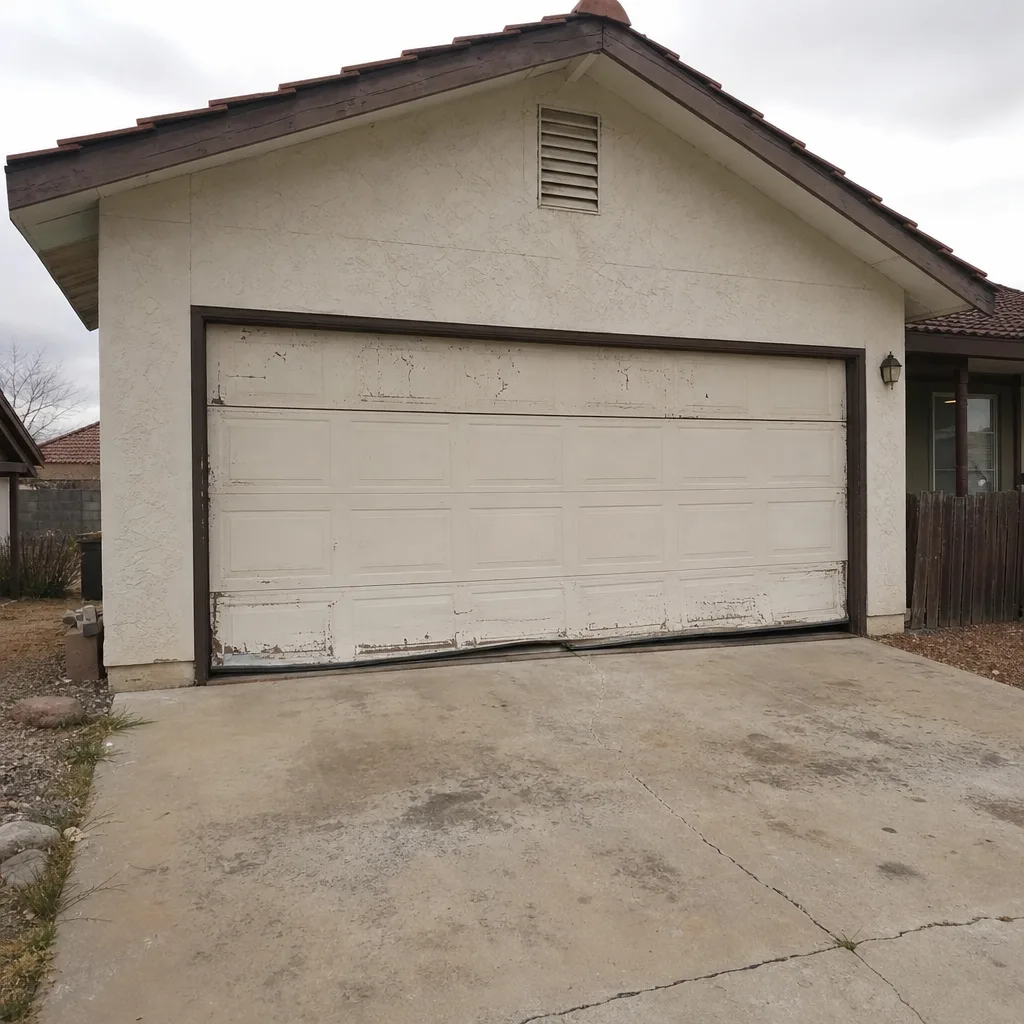 Before
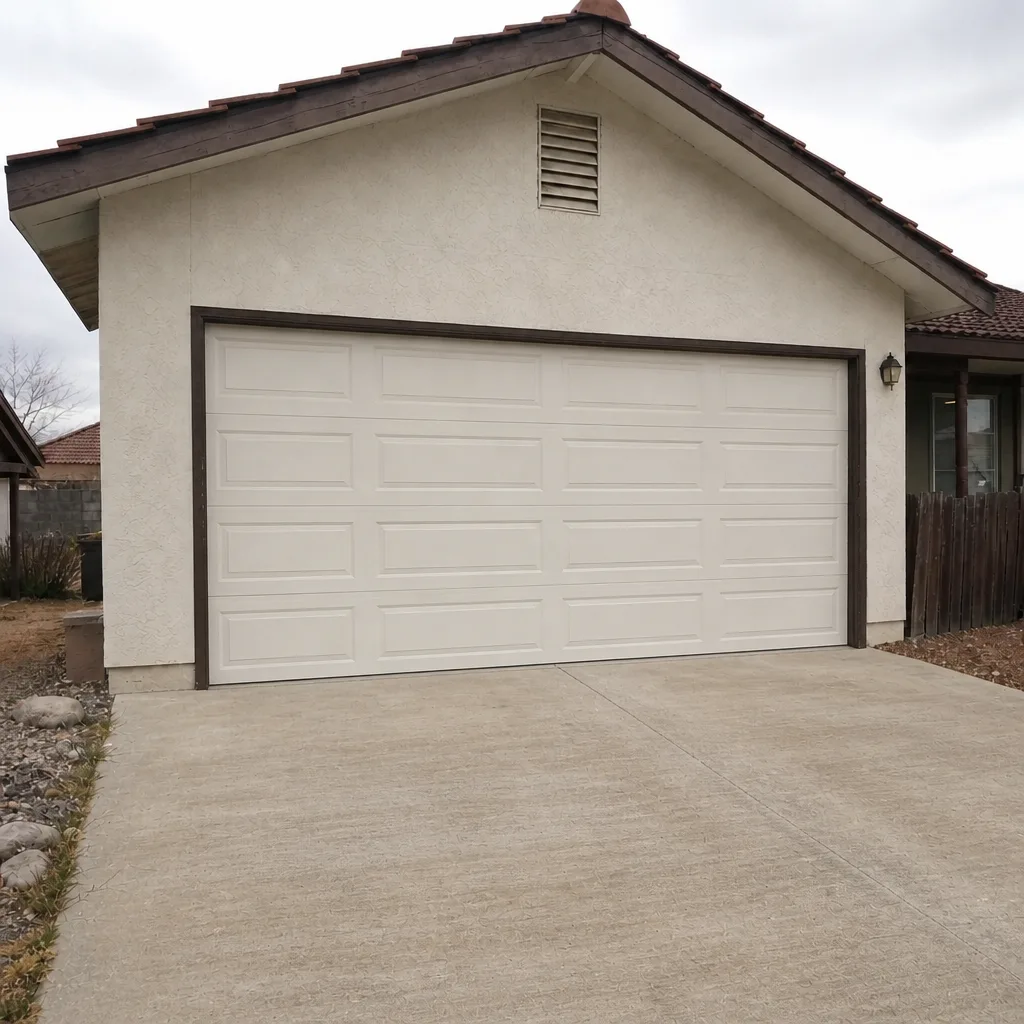 After
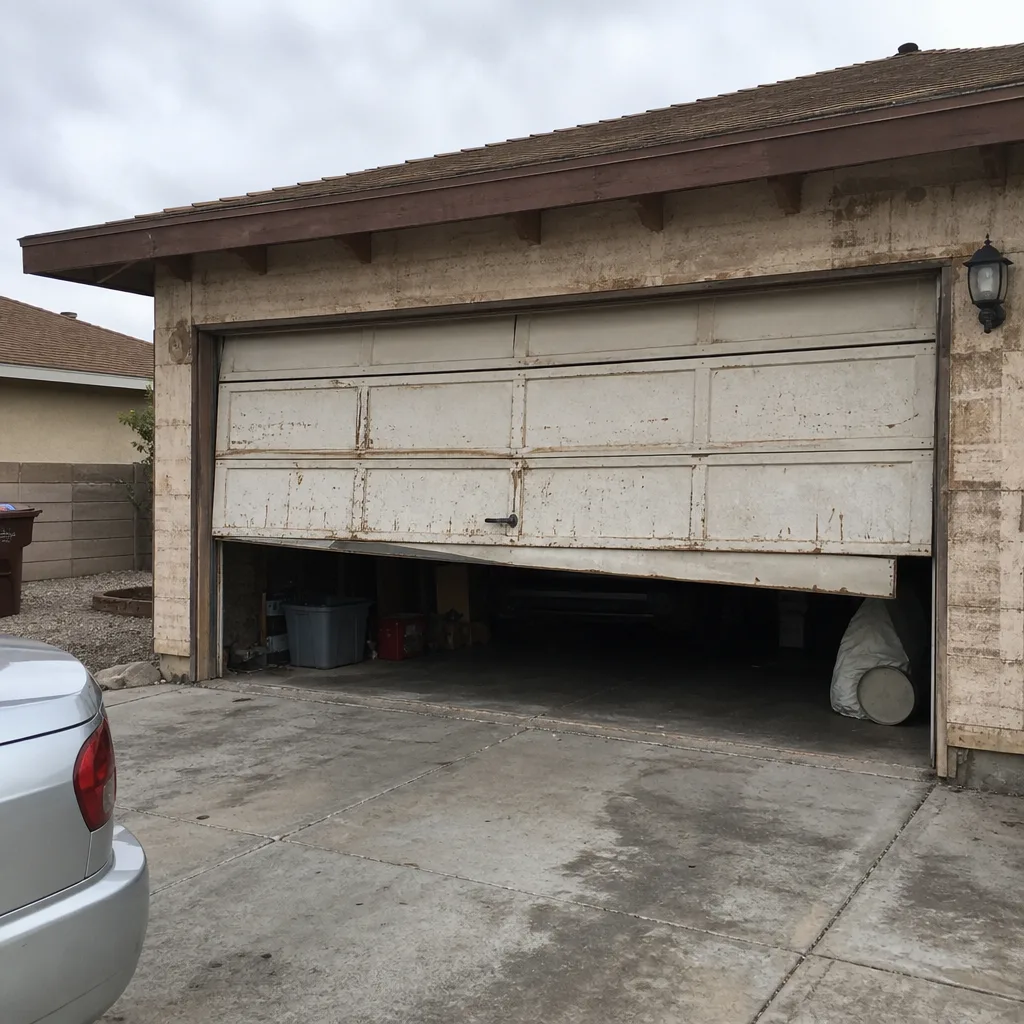 Before
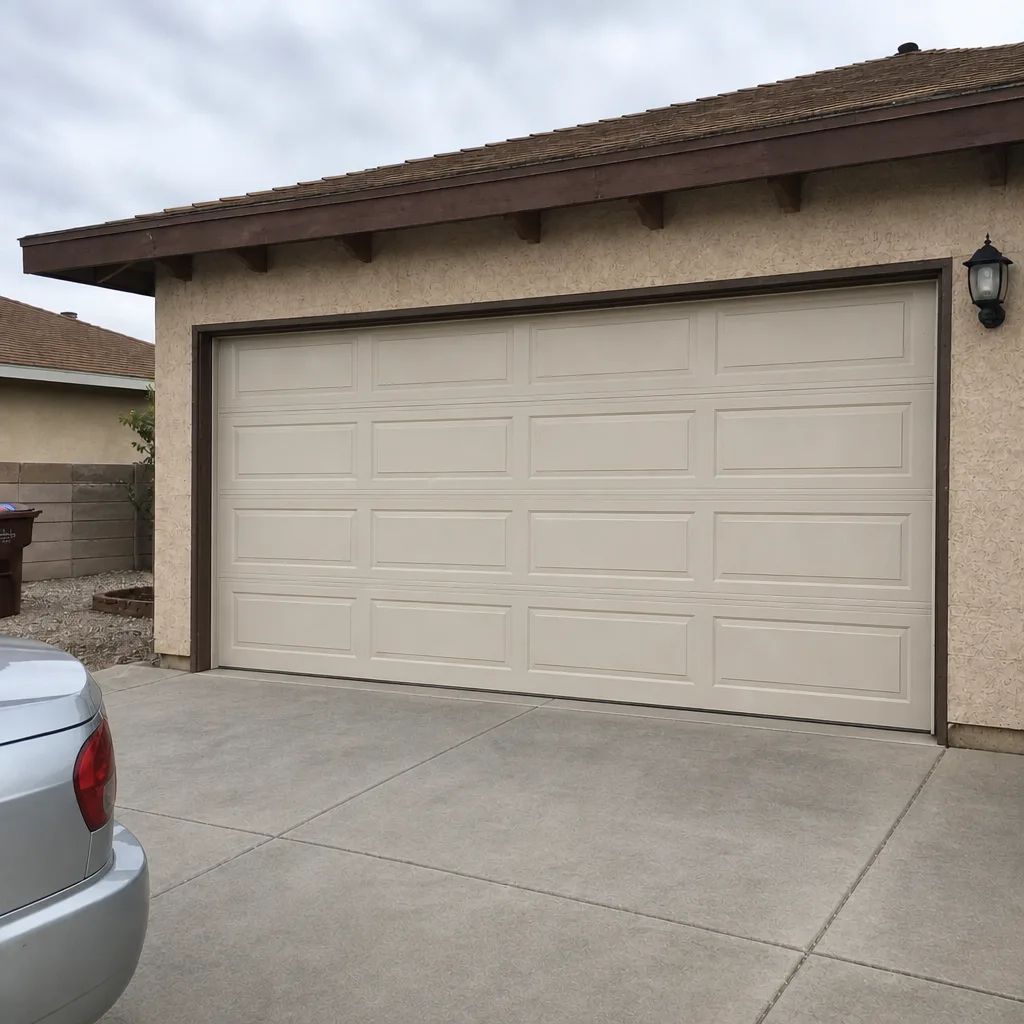 After
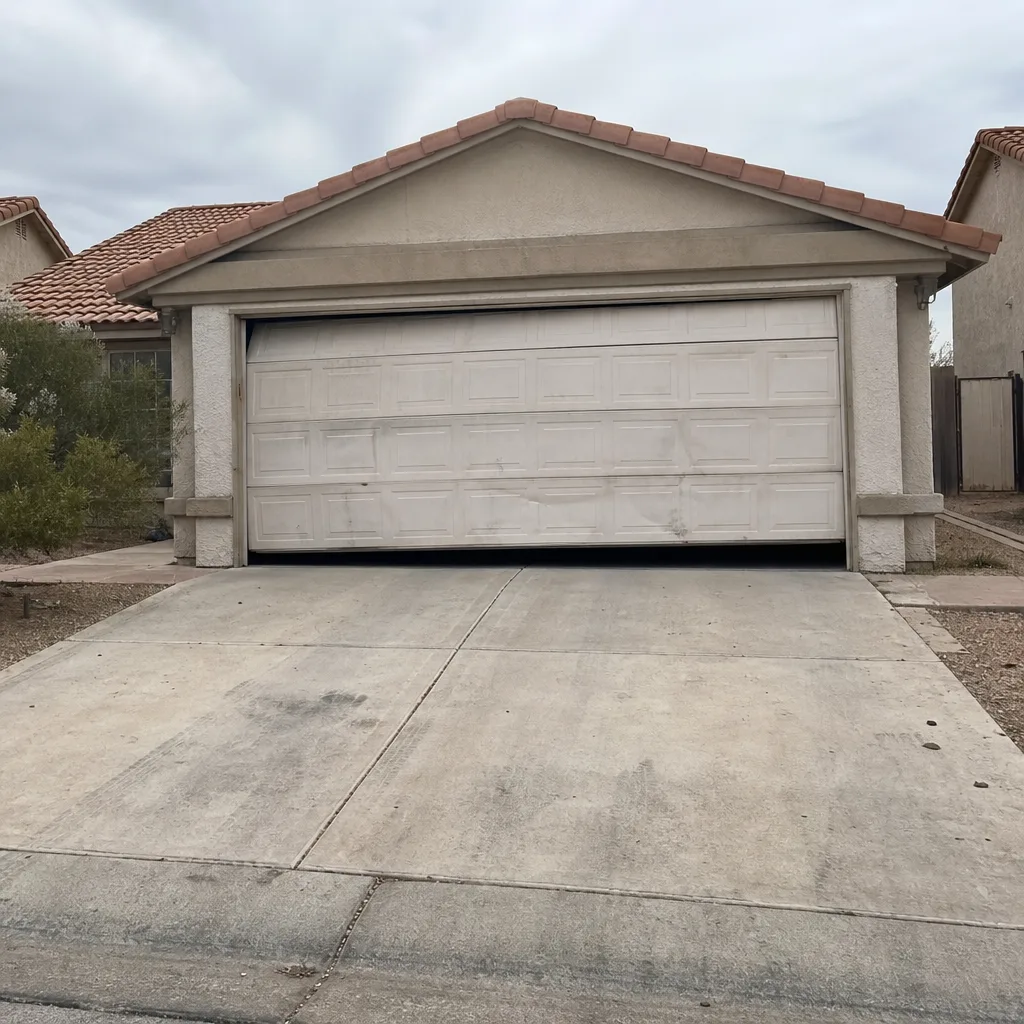 Before
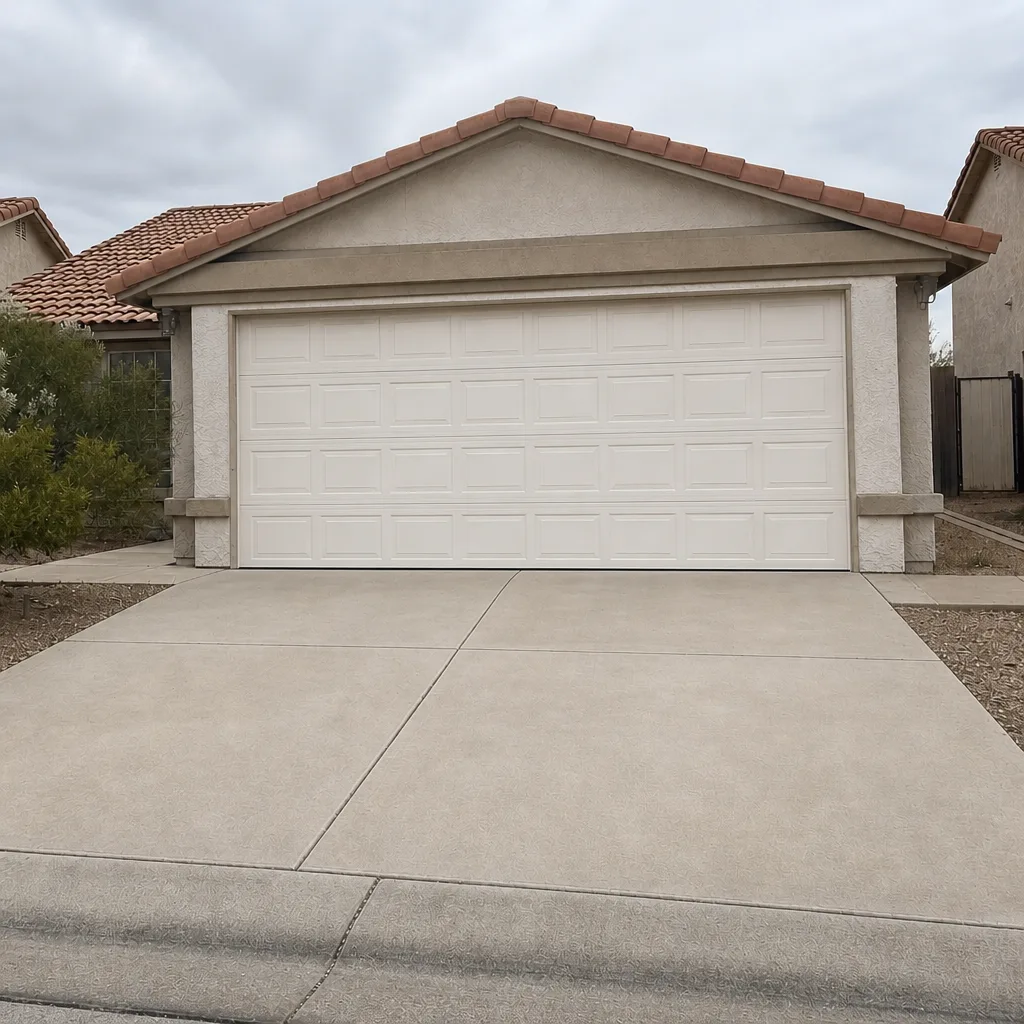 After
When to Call a Professional
Call a technician when the opener is silent but the light still works – that’s the power-surge logic board pattern, and it needs a board, not a remote. Call when the door reverses on its own after you’ve cleared and checked the sensors, because the cause is likely a limit switch out of calibration after a slab shift. Call when the opener hums but the door doesn’t move, which points to a stripped gear or a decoupled trolley – both need disassembly. Call when the door is out of balance, binds, or grinds, because an opener forced to lift a binding door will fail again within months. And call when the rail is worn or the unit is making a new noise after a summer of dust. Bramwell Garage Door Repair Boulder City offers free estimates in Boulder City – call (844) 560-4479.
Frequently Asked Questions
The most common cause is a failed logic board, and in Boulder City it’s often a small power surge from summer peak-demand events that fried the board while leaving the motor intact. If the light comes on but nothing responds to the remote, wall console, or keypad, the board is the prime suspect – not the remotes or sensors. Call (844) 560-4479 for an exact quote and a same-day diagnostic.
Most opener repairs in Boulder City fall into a few ranges: a sensor realignment or limit recalibration runs $75-$150, a remote or keypad replacement runs $40-$90 per unit, and a logic board replacement typically runs $180-$350 parts and labor. A full opener replacement, if that’s the better call, starts around $350 and goes up with the drive type and features. Call (844) 560-4479 for an exact quote – estimates are free, and you’ll get a written price before any work starts.
Yes, in most cases – opener repairs like sensor alignment, limit recalibration, and board replacement are same-day work when the parts are on hand. We keep common boards and sensors for LiftMaster, Chamberlain, and Genie available, and our phone is answered by a live person 24 hours a day, 7 days a week. Call (844) 560-4479 to check availability for today.
No – the written price you receive before any work starts is the price on the invoice. If the diagnosis changes the scope of the repair, the technician stops, explains the new finding, and gives you a revised written price to approve before continuing. The number you agree to is the number you pay. Call (844) 560-4479 for a free estimate.
Yes – all technicians are background-checked, arrive in uniform within a stated arrival window, and present a written price before any work begins. Every repair is backed by the 365-Day Done Right Promise and the written Kingswell Guarantee. Call (844) 560-4479 with any questions before you book.
The most likely cause is a limit switch that’s out of calibration, often because the garage floor slab shifted slightly in Boulder City’s caliche soil. The opener is still running to a setting that no longer matches the floor. It can also be a safety sensor interruption, so clear the lenses first, then call if the problem persists – a limit recalibration runs $75-$150 typically. Call (844) 560-4479 for an exact quote.
The Bottom Line
Opener trouble in Boulder City is usually one of four things, and knowing which one saves you money. A logic board fried by a summer power surge shows up as a silent opener with a working light – that’s a board replacement, not a remote fix. Dust-clogged sensors account for about 30% of “opener stopped working” calls and are resolved with a two-minute alignment check. A caliche-driven slab shift throws off the limit switch and makes the door reverse, stop short, or grind. And the drive type determines how well your opener tolerates a dusty rail – belt drives hold up best. Get a written, itemized quote with parts and labor guaranteed separately, and protect the board with a surge protector. When you need a hand, our team is ready.
When your opener quits, call (844) 560-4479 for a free estimate in Boulder City – the phone is answered by a live person around the clock, the arrival window is real, and the price is written before any work starts.
Written by the team at Bramwell Garage Door Repair Boulder City.