
Last updated November 18, 2026
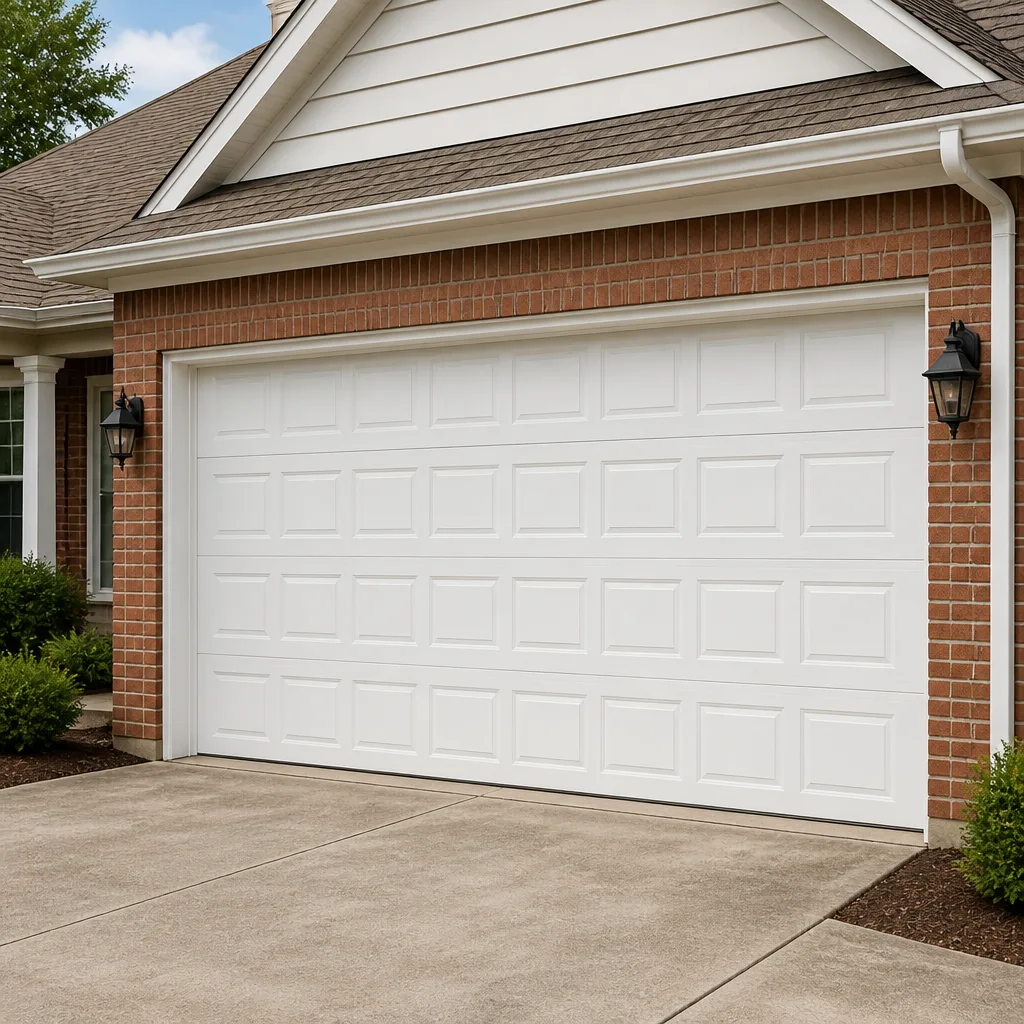 Raised-panel steel
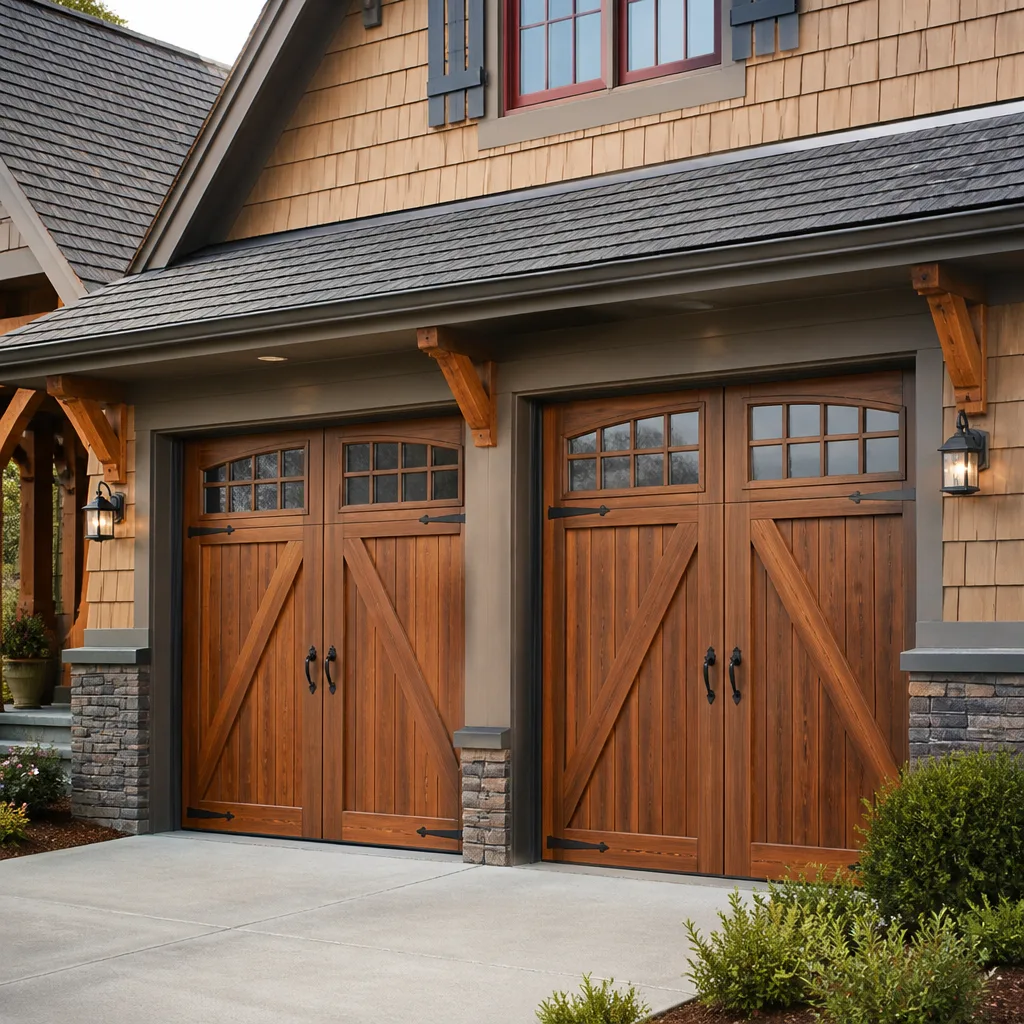 Carriage house
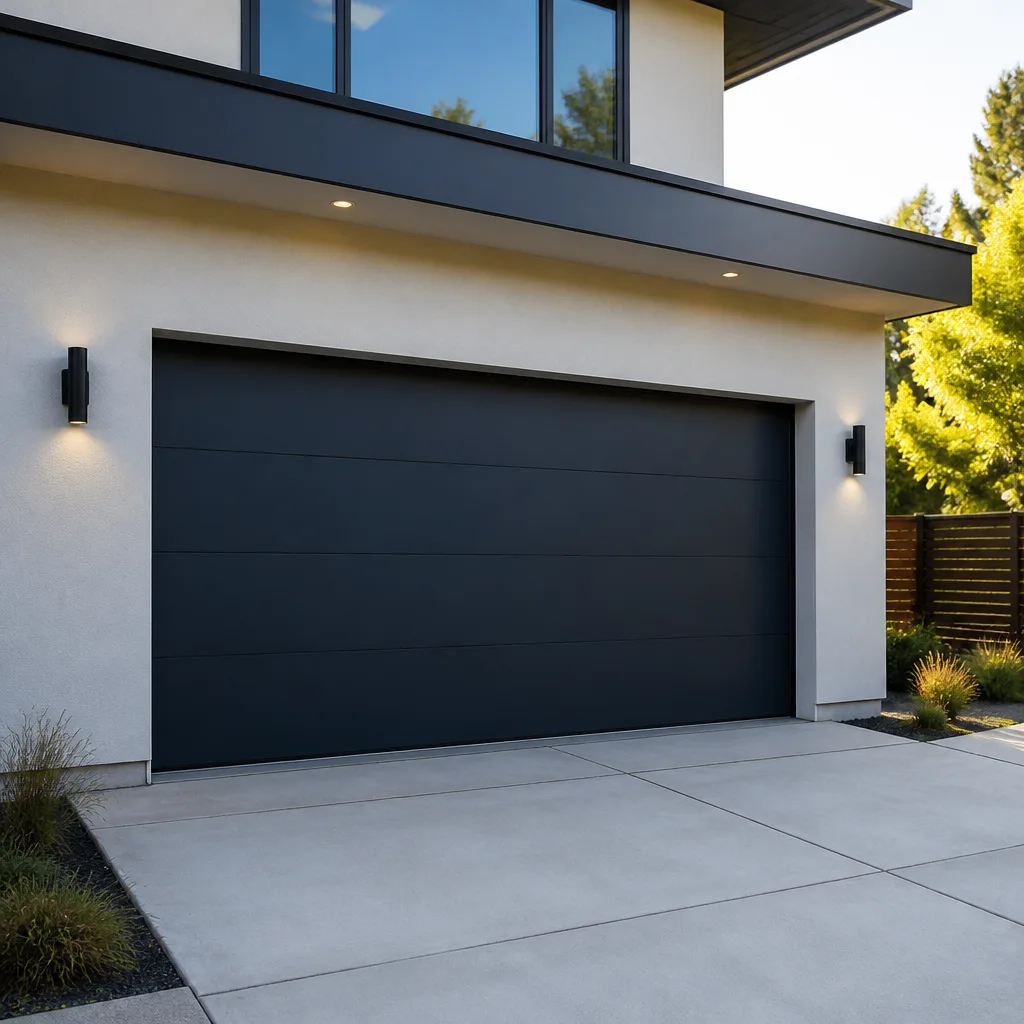 Modern flush
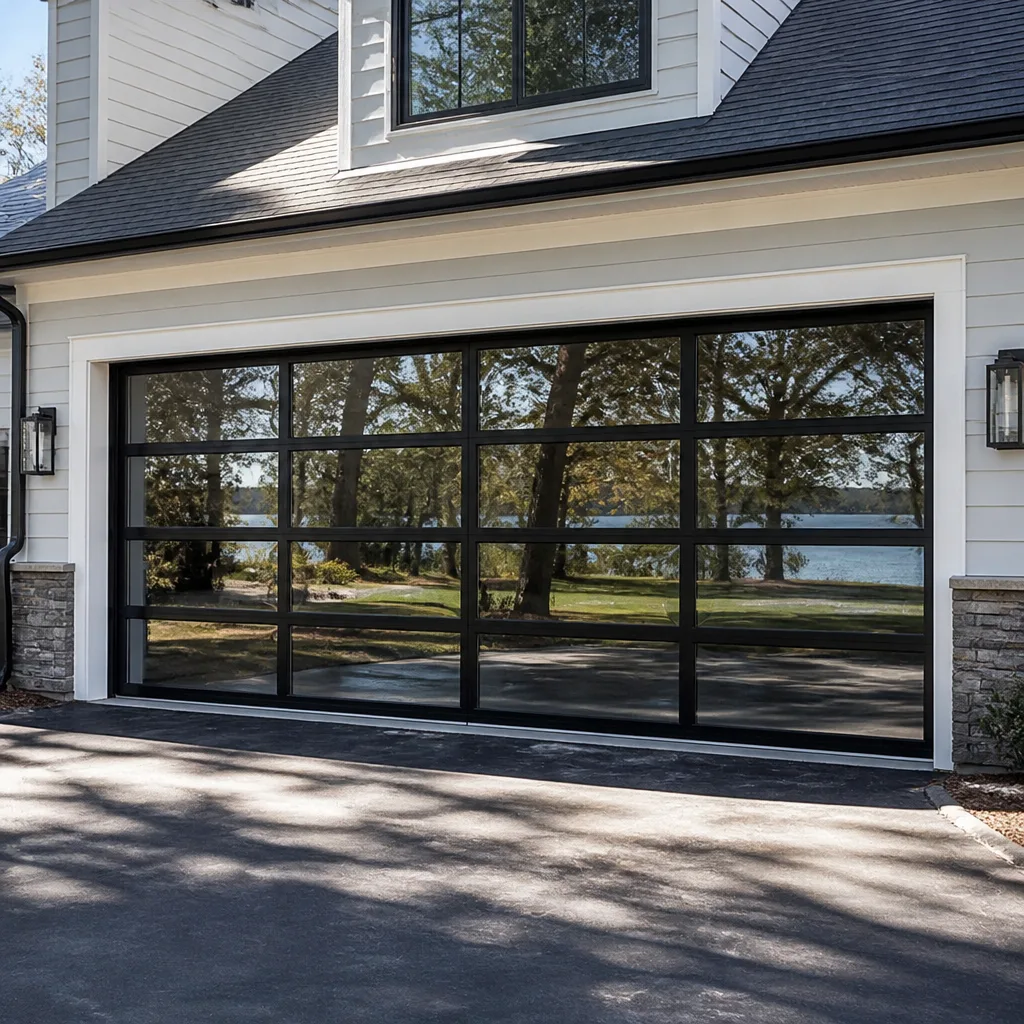 Full-view glass
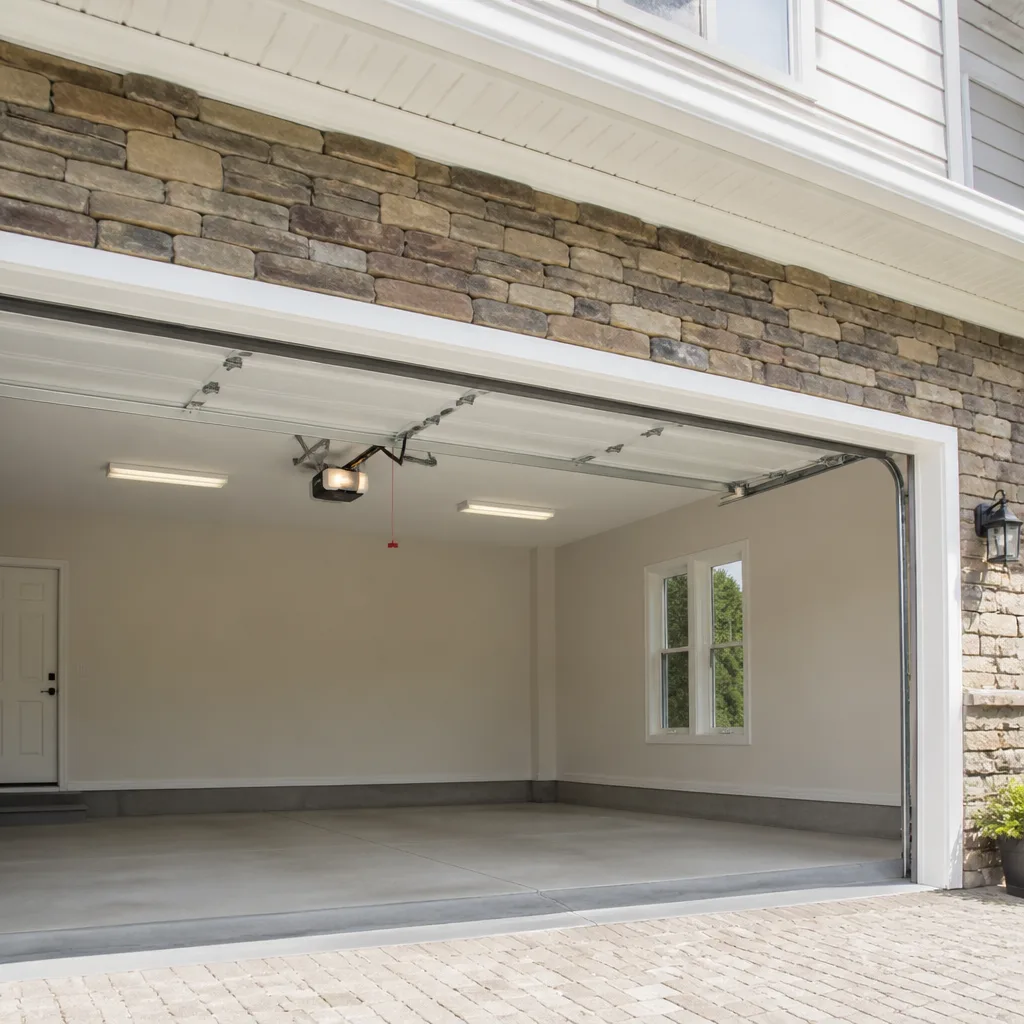 LiftMaster openers
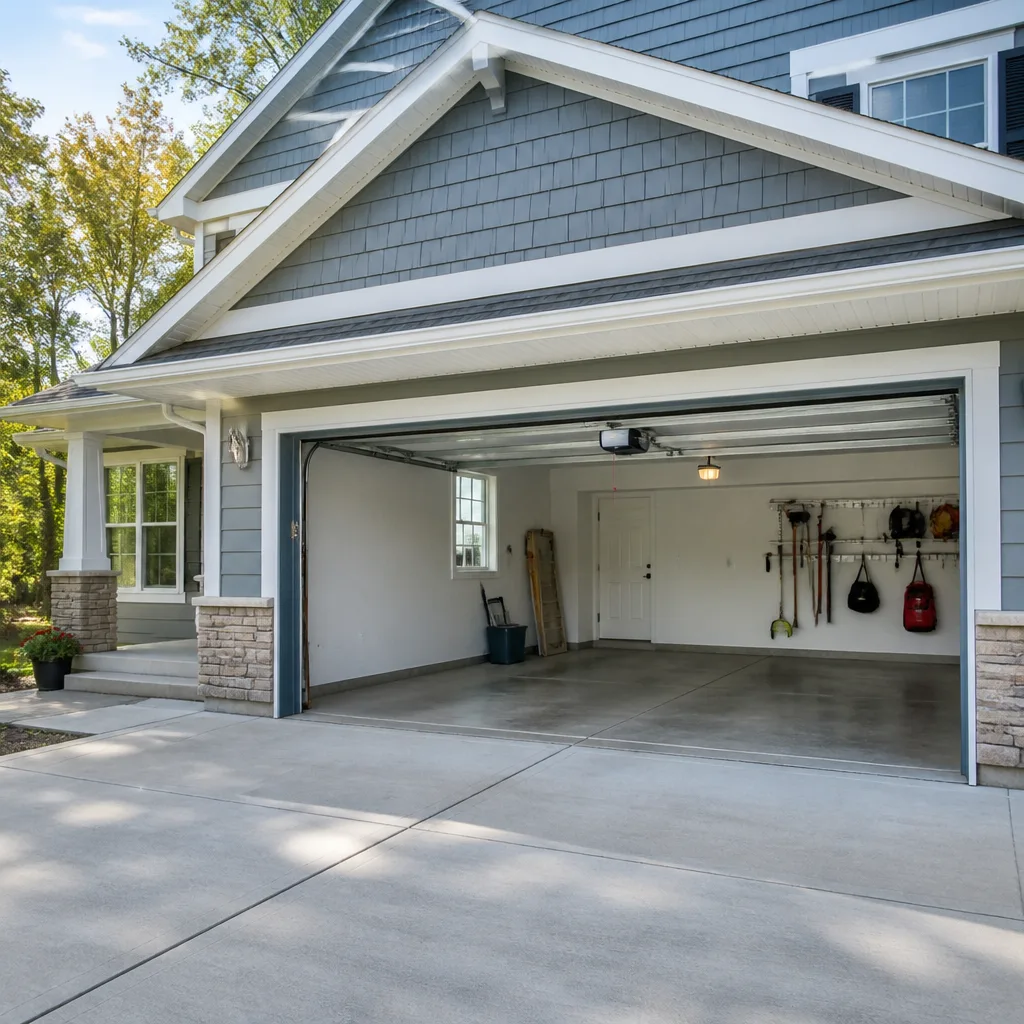 Chamberlain openers
Full 25-point door and opener safety check with every visit - springs, cables, rollers, tracks, and your LiftMaster or Chamberlain opener included
You get a price before we start. It does not change when the pro arrives.
Get your free estimateGarage Door Opener Repair Warning Signs Every Homeowner Should Know
A grinding noise on startup isn’t the opener “getting old.” It’s usually the drive gear stripping, and once it starts it typically gives you around 30 cycles before the door stops moving altogether. For most households that’s about two weeks of normal use. We’ve seen this exact pattern play out across Boulder City more times than we can count, and almost every one of those homeowners had been hearing the sound for days before they called. This guide names each warning sign, explains which component is actually failing behind it, and tells you whether to stop using the door today or put it on the next service list.
Quick Answer
The most serious opener warnings are a door that reverses on its own, visibly frayed cables, or a loud bang followed by a sagging door – stop using the door and call immediately. Grinding, straining motors, or a door that moves noticeably slower than it used to mean schedule service within a week. Shrinking remote range or a slight delay on startup can wait for your next visit. Intermittent failure is more urgent than consistent slowness, because it points to a component on the edge of breaking rather than one wearing down gradually.
Styles & brands we work with
- Raised-panel steel
- Carriage house
- Modern flush
- Full-view glass
- LiftMaster openers
- Chamberlain openers
Table of Contents
- Why Urgency Tiering Matters More Than the Symptom Itself
- Stop Using the Door Now: The Red-Flag Signs
- The Auto-Reverse Test Most Homeowners Never Run
- Schedule Within a Week: Grinding and Straining
- The “It Still Works, Mostly” Trap
- Smart and Wi-Fi Opener Signals That Aren’t Router Problems
- Note It for Next Visit: The Low-Priority Warnings
- Common Mistakes to Avoid
Why Urgency Tiering Matters More Than the Symptom Itself
Most garage door guides list warning signs as if they’re all equally alarming. They aren’t. The same sound can mean two very different things depending on how the door behaves around it, and sorting a sign into the right urgency tier is what saves homeowners from either ignoring a real hazard or panicking over a worn remote battery.
Picture a homeowner in Boulder City who hears a light grinding on startup. If the door still opens smoothly and reverses correctly, that’s a “schedule within a week” item. If the same grinding comes with the door stuttering or bouncing on one side, the tier jumps – the opener is now fighting a mechanical problem it can’t win, and continued use accelerates damage to both the motor and the door itself.
Here’s the rule we give homeowners on the phone: match the sign to the tier, not to the calendar. A sign that belongs in the “stop now” tier doesn’t become safe because you’ve lived with it for three weeks. And a low-priority sign doesn’t become urgent just because the technician will be out anyway.
- Tier 1 – Stop using the door now: a door that reverses randomly, visibly fraying cables, a loud bang followed by a sagging door, or a door that fails the auto-reverse test.
- Tier 2 – Schedule within a week: grinding or straining from the motor, a door moving slower than usual on one or both sides.
- Tier 3 – Note for the next visit: shrinking remote range, a slight delay before the door responds.
If you already know you have a mechanical problem underneath the opener, the Garage Door Repair in Boulder City page walks through how repair visits are scoped so you can see what the process looks like before anyone arrives.
Stop Using the Door Now: The Red-Flag Signs
These signs mean the door is a hazard or close to one. Every one of them is a “stop, disconnect, call” situation – not a “use it carefully until Friday” situation.
- Door reverses randomly mid-travel. The door starts down, then turns around on its own for no reason. This usually points to a misaligned safety sensor or a failing logic board in the opener – but it can also signal a torsion spring losing tension. If the door has ever paused and reversed with nobody touching the remote, stop and call.
- Visibly fraying or slack cables. The cables run along the side of the door and spool onto drums at the ends of the torsion bar. If a cable looks frayed, kinked, or hanging slack, that cable could snap and whip unpredictably. Do not touch it. That’s genuine danger, not a maintenance item.
- Loud bang followed by a sagging door. This is the classic torsion spring break – the heavy coil mounted above the door that handles most of the lifting weight. When it snaps, the door becomes heavy enough that most openers can’t lift it safely, and forcing the opener strains the motor. Stop using the door. The Garage Door Spring Repair in Boulder City page covers how that repair is scheduled and priced.
- Door drops on its own after opening. Any door that descends without a command from the remote has a critical failure somewhere in the opener’s logic or drive system. Keep people and vehicles clear.
We’ve seen all of these in Boulder City, and the tell that separates them from a slower problem is usually the surprise. A door that suddenly does something it’s never done before is a Tier 1 sign. A door that’s gotten steadily a little worse over a month is usually Tier 2 or 3.
The Auto-Reverse Test Most Homeowners Never Run
Run this test once a month. Most homeowners don’t test it until the day something goes wrong, and by then the failure is already built in.
- Lay a 2×4 board flat on the ground in the center of the doorway, where the door closes.
- Close the door using the wall button – not the remote, in case you need to move out of the way.
- Watch the door. When it contacts the board, it should reverse off the board immediately and return to the open position.
- If the door stops on the board, grinds for a moment, or fails to reverse, the auto-reverse mechanism has failed.
Failed auto-reverse is a safety issue, not a maintenance item. The mechanism that reverses the door is the same mechanism that would reverse the door on a child, a pet, or a bicycle. It usually traces to a misaligned limit switch (which tells the opener where to stop), a slipping gear-and-sprocket assembly inside the opener, or a bad sensor lens at the bottom of the track.
We’ve had homeowners tell us they’ve never run this test in a decade of owning the house. The 2×4 test takes about 30 seconds, and it catches a surprising number of opener failures that a homeowner had no idea was happening – the door still opens and closes reliably in normal use, so nothing prompts a call. Don’t wait for a child’s scooter to find it for you. Run the test, and if the door doesn’t reverse cleanly, call us at (844) 560-4479. A stuck door is quicker to diagnose than a door that’s been silently failing for a year.
Schedule Within a Week: Grinding and Straining
These are the signs that will almost certainly get worse before they get better. A week of careful use is fine. A month of “I’ll deal with it next weekend” turns a straightforward repair into a bigger one.
- Grinding on startup. The grinding noise usually comes from the drive gear inside the opener stripping its teeth – that plastic or metal gear engages the chain or belt to lift the door. When the gear teeth wear down, the opener spins but the door barely moves or moves with a stutter. This is the noise we described at the top of this guide: roughly 30 cycles from first grind to full stop.
- Motor strains or hums without moving the door. The opener is putting power into a door that isn’t moving. Two main causes: a worn trolley carriage (the little sliding carriage the arm connects to, riding the rail) or a torsion spring that’s lost tension, so the motor is lifting weight the spring is supposed to lift.
- Door moves noticeably slower than it used to. Slower travel is the opener’s hint that it’s fighting mechanical resistance somewhere in the door. Left alone, the motor will eventually overheat and fail.
- Door sounds rough opening but smooth closing (or vice versa). One-direction strain almost always points to a balance problem in the door’s mechanical system, not the opener itself. That’s a mechanical fix, not an opener replacement.
In Boulder City, we notice the strain complaints cluster in late spring and again in early fall, when homeowners start using the garage more after a milder stretch. That first week of heavier use is when something already worn finally announces itself.
If you’re hearing grinding or strain, don’t let it stack up into a full motor failure. Call us and we’ll schedule a visit inside the week. You’ll get a written price before any work starts.
The “It Still Works, Mostly” Trap
Here’s a counterintuitive point. An opener that fails 9 out of 10 times is less dangerous than an opener that fails 1 out of 10 times. Consistent failure forces you to deal with it. Intermittent failure lets you live with it for weeks while its weak component drifts closer to outright breakage – and you have no way to know which cycle is going to be the one where it finally stops at shoulder height with a car halfway in the doorway.
What intermittent opener failure looks like on calls we get: the door works fine, works fine, works fine, then reverses halfway up. Or the remote opens the door three times, then won’t on the fourth until you jiggle the remote. Or the door pauses on the way down, then continues as if nothing happened.
There are a few specific causes to know about:
- A worn gear that still has enough teeth to catch sometimes, but slips under load. This is the most common intermittent opener failure we see.
- A failing capacitor in the motor, which can start cold and drop out warm. Cold weather in Boulder City mornings sometimes shows it as an opener that “works better after a few minutes.”
- A failing logic board that processes commands only some of the time.
- A loose or misaligned safety sensor that only triggers the reverse when a specific strip of the beam is broken – usually a morning sun angle or a specific car position.
The responsible path with a genuinely intermittent door is to get it looked at before it fails for good. If you can describe when it fails – time of day, weather, after a specific number of cycles – you’re already giving the technician a shortcut to the fix.
Smart and Wi-Fi Opener Signals That Aren’t Router Problems
If you have a LiftMaster myQ, a Chamberlain smart opener, or a Genie connected unit, some of the “app is being weird” complaints you’re chasing through your router settings aren’t router problems at all. A failing logic board or power supply inside the opener will show up as app-side behavior before the door itself acts wrong.
What to watch for:
- App shows the door as open when it’s closed (or vice versa). The opener’s internal sensor report is drifting. Usually the position sensor or the logic board, not the app.
- Connectivity drops that come back after a power cycle. If unplugging and re-plugging the opener fixes the connection for a day or two, the power supply inside the opener is probably drifting instead of the router.
- Commands arrive but the door ignores them intermittently. The network is working (the “open” command arrives), but the opener’s control board isn’t reliably executing. That’s a control-board symptom, not a Wi-Fi symptom.
- Two remotes behave differently. If one works and another doesn’t, the problem is the remote. If neither works but the wall button does, suspect the opener’s radio board or the circuit controlling it.
The rule we give homeowners: reboot the router, then power-cycle the opener, then wait 24 hours. If the trouble comes back after both, the opener is the more likely source. We service LiftMaster, Chamberlain, Genie, Craftsman, Wayne Dalton, Raynor, Clopay, Amarr, and most other major brand openers – so no awkward “we don’t work on those” phone call on the way.
Note It for Next Visit: The Low-Priority Warnings
Some signals are worth noting, but they aren’t a reason to schedule a visit by themselves. If you already have a service visit coming up – spring replacement, a new door install – mention these to the technician and they’ll fold them in.
- Shrinking remote range. The remote works standing in the driveway but stops working from the end of the block. Usually a weakening battery in the remote or a drifting antenna wire in the opener. Neither is urgent.
- Slight delay on startup. A half-second pause before the motor engages, still consistent, still reliable. Often a worn capacitor that’s only begun to drift. Worth noting; not worth a same-day call.
- Wall button feels slightly loose. If the wall button wobbles but still works, it’s a mounting screw. Worth snugging at your next opportunity, not scheduling a visit for.
- LED light on the opener flickers occasionally. A worn bulb or a slightly loose connection. Check the bulb before calling anyone.
A note on one combination, though: if any two Tier 3 signs show up together, the whole picture moves up a tier. A shrinking remote range plus a startup delay means two components are drifting at the same time – schedule that.
Common Mistakes to Avoid
- Confusing “the opener is old” with a failing component. A 15-year-old opener that runs without grinding, straining, or reversing randomly has more service life in it than a 3-year-old opener that’s showing any of those signs. Age isn’t the diagnostic here; behavior is.
- Skipping the 2×4 test because the door opens normally. Normal opening doesn’t mean normal reverse behavior. The mechanism that lowers the door is tested every cycle; the mechanism that protects anyone standing under it isn’t tested at all unless you test it.
- Greasing a grinding opener. Grinding noise on startup is usually stripped gear teeth – grease won’t grow teeth back. It just attracts dust and hides the problem for another few weeks. If you want to know what oiling the door’s tracks is actually for, the Garage Door Installation in Boulder City page covers what a healthy door sounds and feels like.
- Pulling the manual release and forcing the door. The manual release is meant for door failure when nothing else works – pulling it on a working door can drop the door unexpectedly and damage the carriage. If you have to use it, call a pro first.
- Ignoring a loud pop that comes with the door working again. Sometimes a spring breaks and the door still works, because the opener is over-lifting the door unassisted. That’s a motor running on borrowed time. Treat the pop as urgent regardless of whether the door still functions.
- Turning the force-adjustment up to fix a door that reverses for “no reason.” Turning up the force tells the opener to ignore the exact resistance it’s sensing. You’ve silenced a warning instead of fixing the reason for it, and if the reason is a worn spring or a failing cable, you’ve just made it worse.
- Checking the app before checking the door. If the app says the door is open but the door isn’t, the app is reporting correctly and the opener is reporting wrong. Start at the opener.
If you’d rather verify whether what you’re hearing is a real failing component than guess, we offer a free visit for the diagnosis. Call (844) 560-4479 and we’ll tell you the minute we know.
See the difference
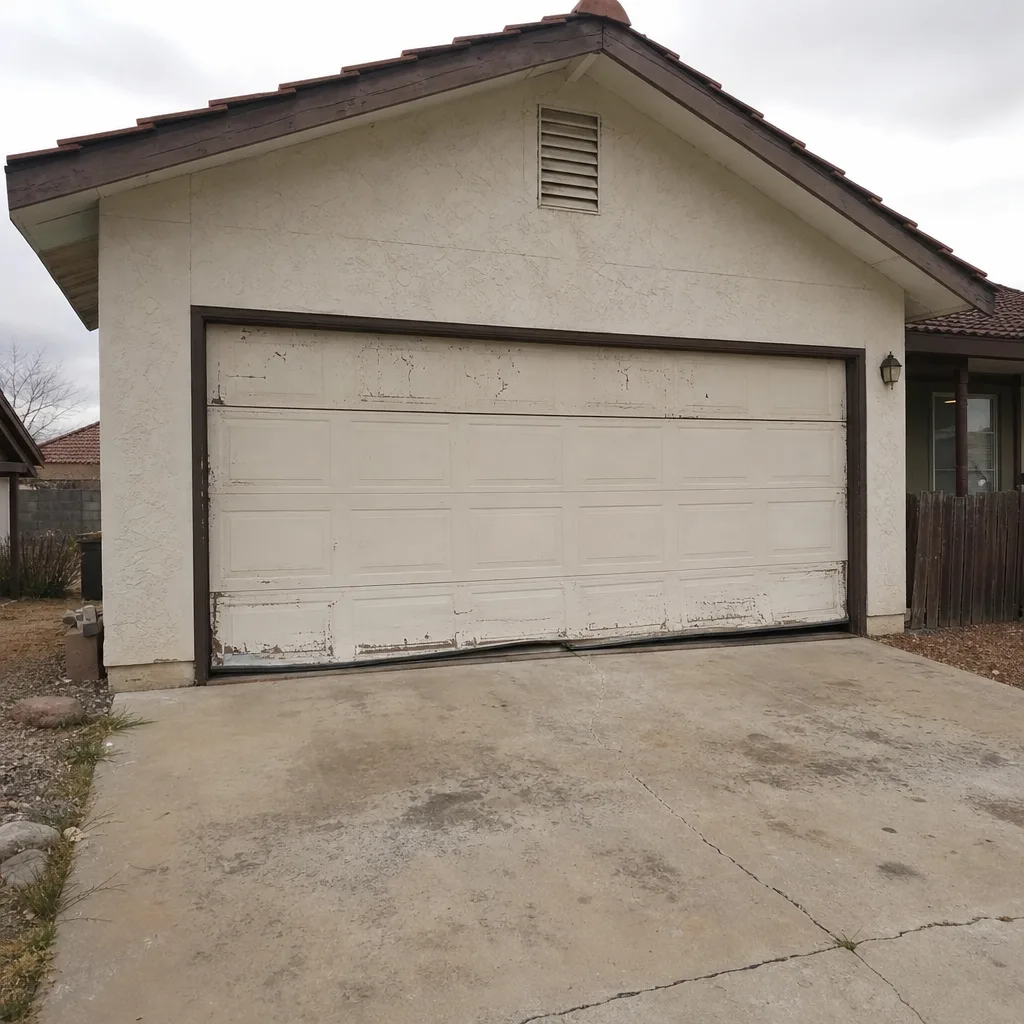 Before
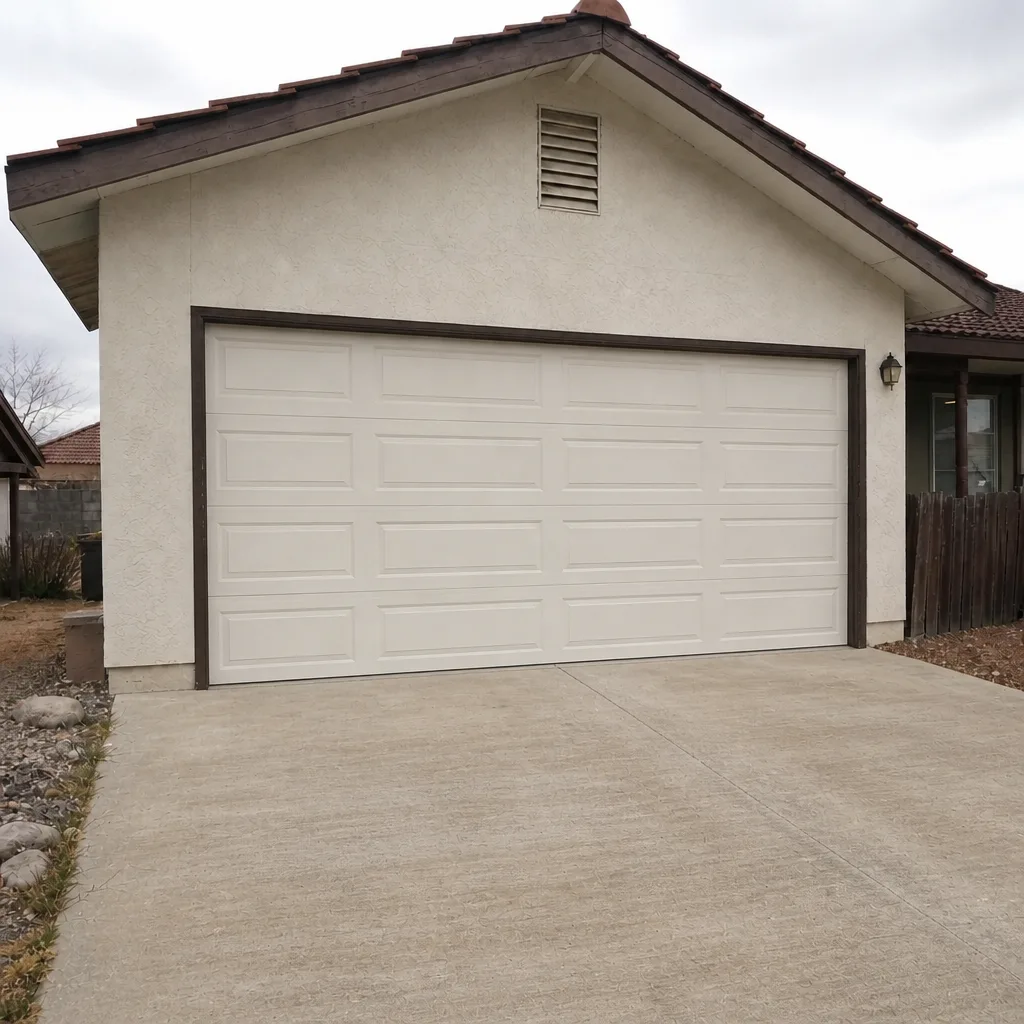 After
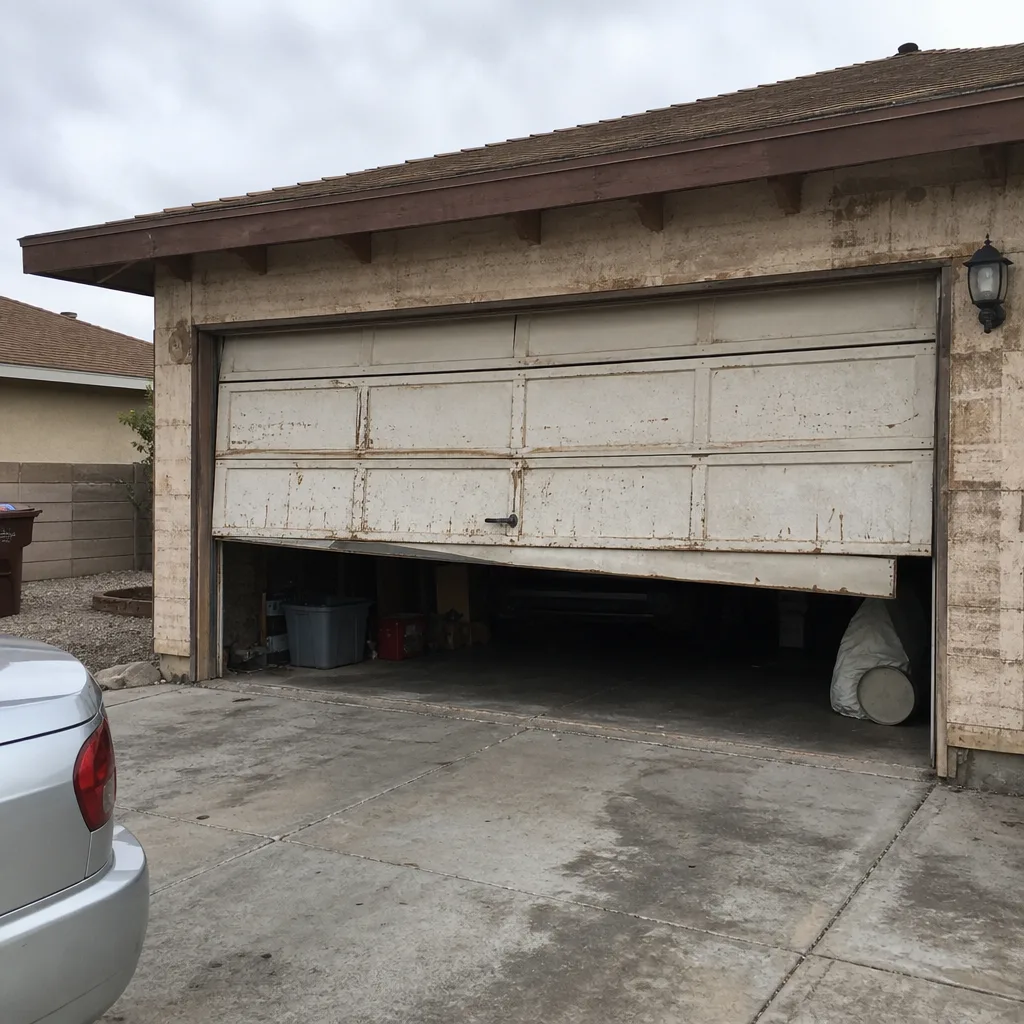 Before
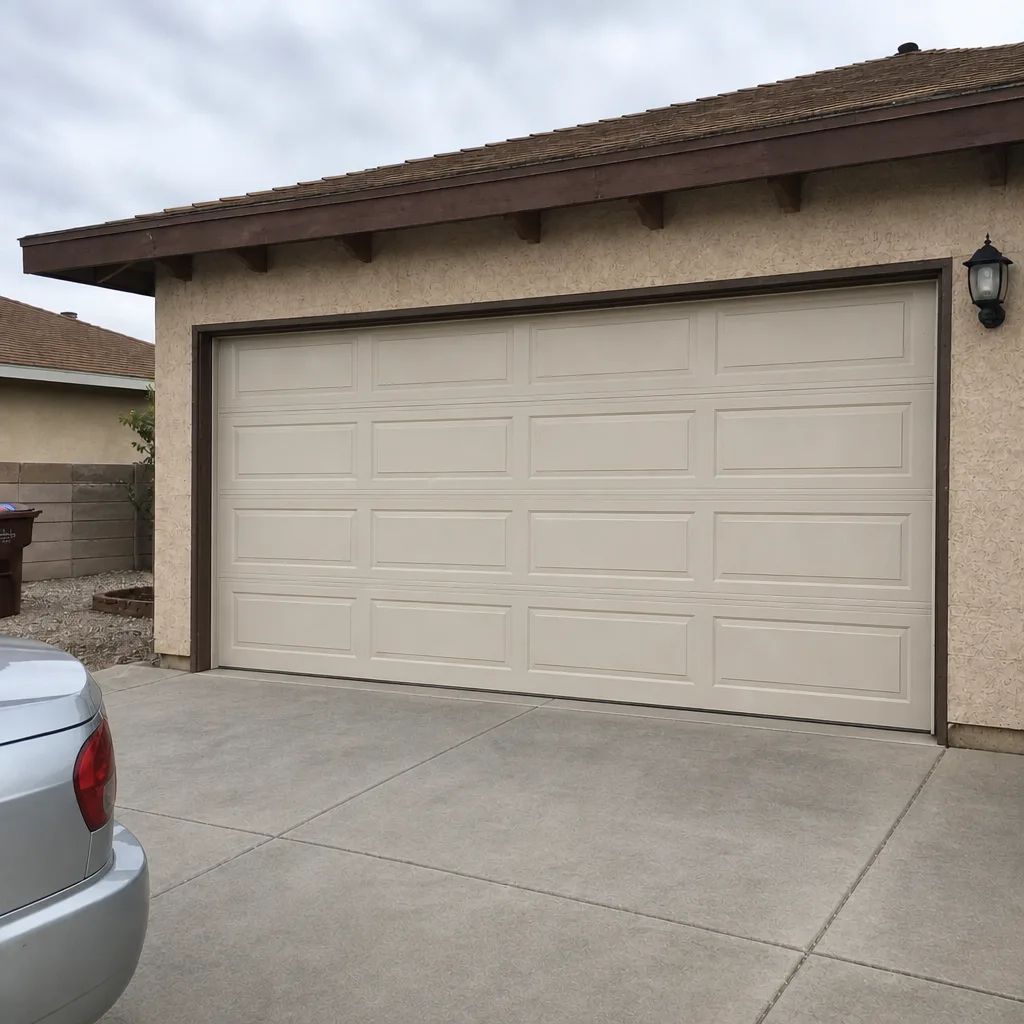 After
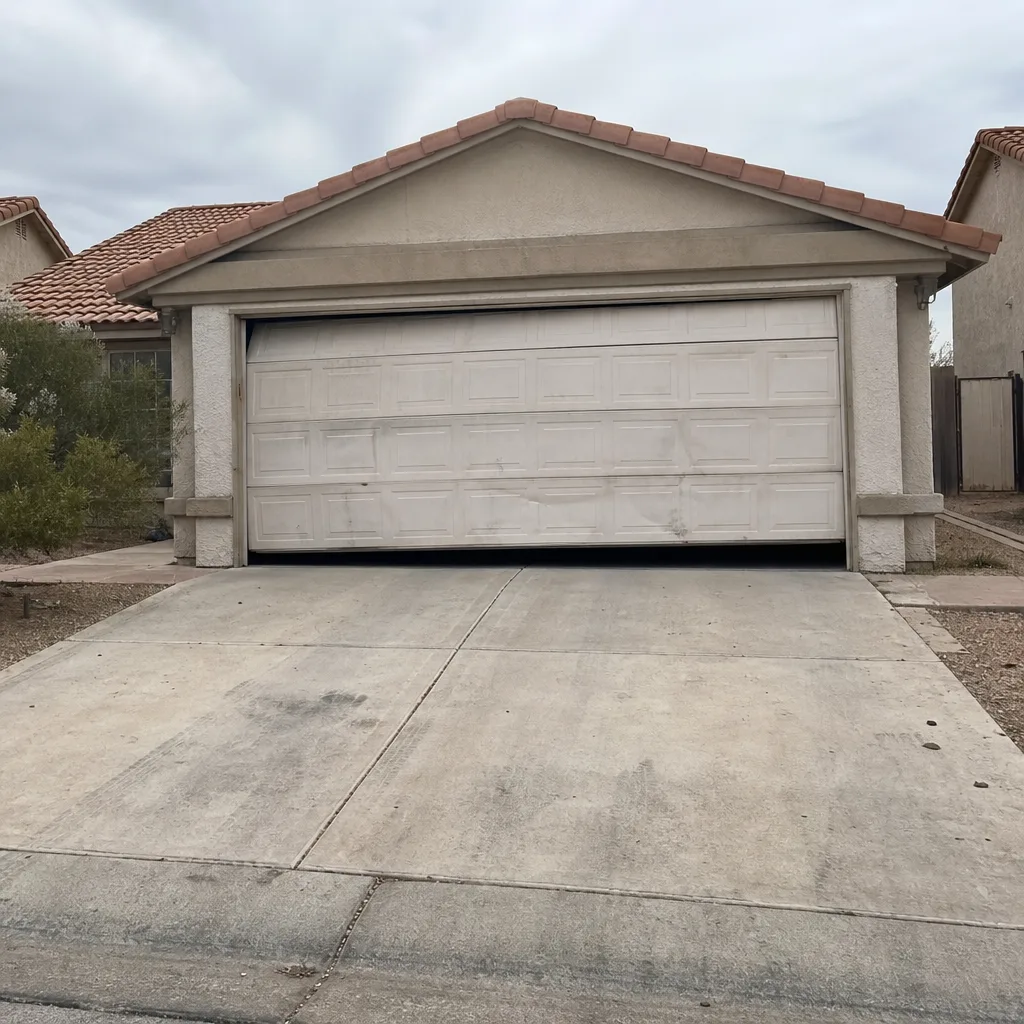 Before
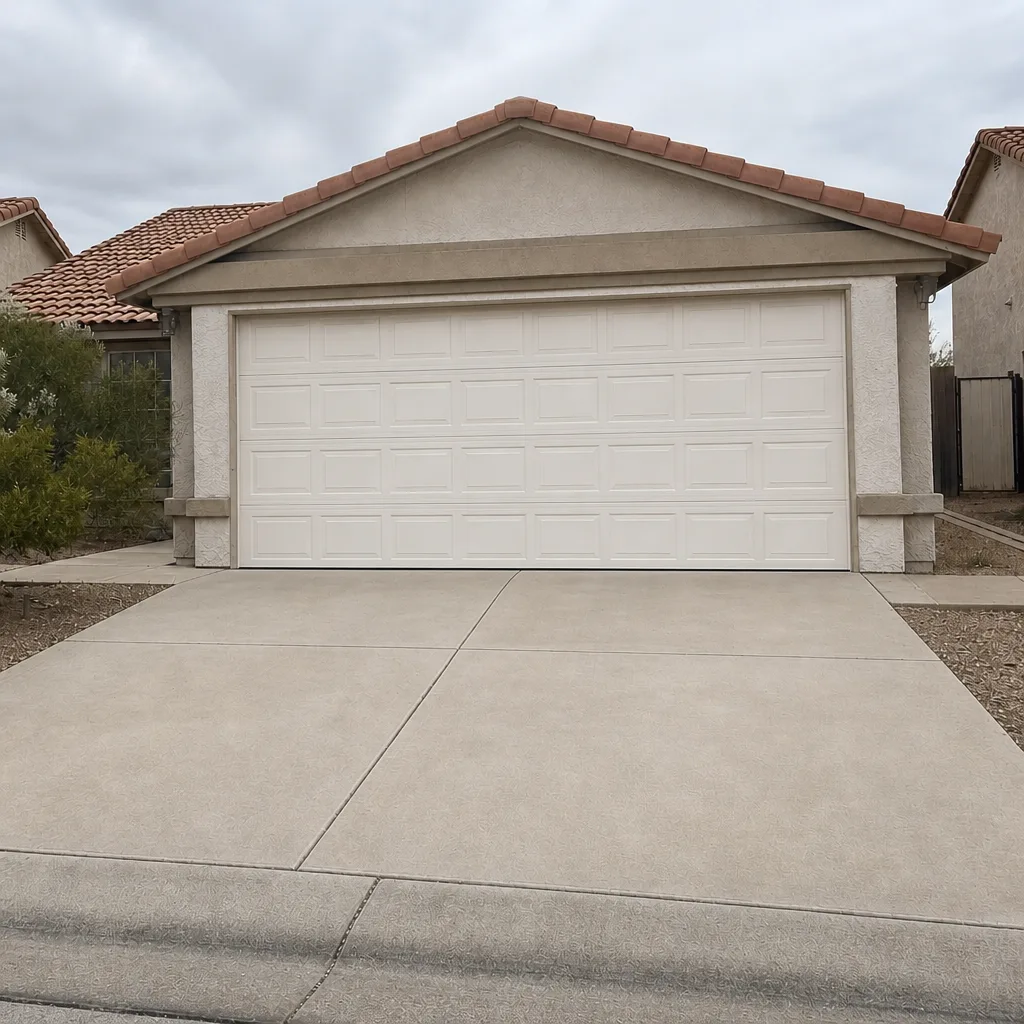 After
When to Call a Professional
Call us today if any of these describes your door: it reverses on its own, a cable is visibly frayed or slack, there was a loud bang and the door now sags, the door won’t reverse on the 2×4 test, or the opener has failed intermittently more than three times in the past month. Call us within the week if the opener grinds, strains, runs noticeably slower than it used to, or if the door moves unevenly side to side.
For anything involving the torsion spring or the cables, don’t touch them yourself. A torsion spring under normal tension stores enough energy to break a hand or worse, and a frayed cable can whip unpredictably. That’s work for a trained technician with the right tools and the right care. The Bramwell Garage Door Repair Boulder City home page shows the full service scope and the number to call.
Bramwell Garage Door Repair Boulder City offers free estimates in Boulder City – call (844) 560-4479. We answer the phone with a live person 24 hours a day. You’ll get a written price before any work starts, and the price on the invoice will match the number you heard. Every repair carries the 365-Day Done Right Promise in writing, so if a covered repair fails inside the guarantee period, we come back and fix it at no charge.
Frequently Asked Questions
Usually about 30 cycles from the first grind to full stop – about two weeks of normal household use. The grinding is the drive gear stripping, and once it’s worn down enough, the opener spins but the door won’t move. Don’t wait for the stop; schedule the repair during week one. Call (844) 560-4479.
No. Cranking the force setting up tells the opener to ignore the exact resistance it was built to sense – the resistance that would make it stop if a person or pet were under the door. If the opener is reversing, the fix is to find out why, not to silence the warning. Call us at (844) 560-4479 for a free diagnosis before you touch the setting.
Yes. A door that fails every time gets fixed because you can’t use it. A door that fails one cycle in ten feels like it “still works,” so homeowners leave it – and the failing component keeps drifting toward total failure with no way to predict which cycle is the last one. Intermittent failure belongs in the Tier 2 “schedule within the week” category, not the “note it” category.
If the door reverses before it touches anything (a few inches off the floor), it’s usually a misaligned sensor at the bottom of the track. If it reverses mid-travel or bumps the 2×4 and then reverses slowly, the opener’s control board or gear-and-sprocket assembly is more likely the problem. Both need a technician to diagnose – call (844) 560-4479.
Yes – we service LiftMaster, Chamberlain, Genie, Craftsman, Wayne Dalton, Raynor, and other major brands used in Boulder City homes. Typical opener repairs run $120 – $280 depending on the failed component; a full opener replacement typically runs $400 – $750 installed. We give a written price before any work starts, so the invoice always matches the quote. Call (844) 560-4479 for an exact figure.
If a covered repair fails within the guarantee period, we come back and fix it at no charge. The commitment is in writing – ask the technician exactly what your repair covers and for how long, before they start. That’s the whole point of the Kingswell Guarantee – it’s written down, not just spoken at the door.
The Bottom Line
The valuable part of opener repair is the warning window. A grinding motor, a straining door, a slow startup, a shrinking remote range – each of those is information about a specific failing component, delivered days or weeks before the opener actually stops working. Treat the warning as a claim on your attention. The auto-reverse timing is the one test worth running on a schedule, and a failed 2×4 test is a safety call, not a service call. Everything else is a matter of sorting the sign into the right tier, then calling when the tier says to call. A written price, a real arrival window, a clean job site, and a written guarantee – those are what we promise on every visit.
Call (844) 560-4479 for a free estimate. We answer the phone with a live person, day or night. We’ll give you a dollar figure on the phone, present a written price before any work begins, and back the repair in writing – every time.
Written by the team at Bramwell Garage Door Repair Boulder City.