
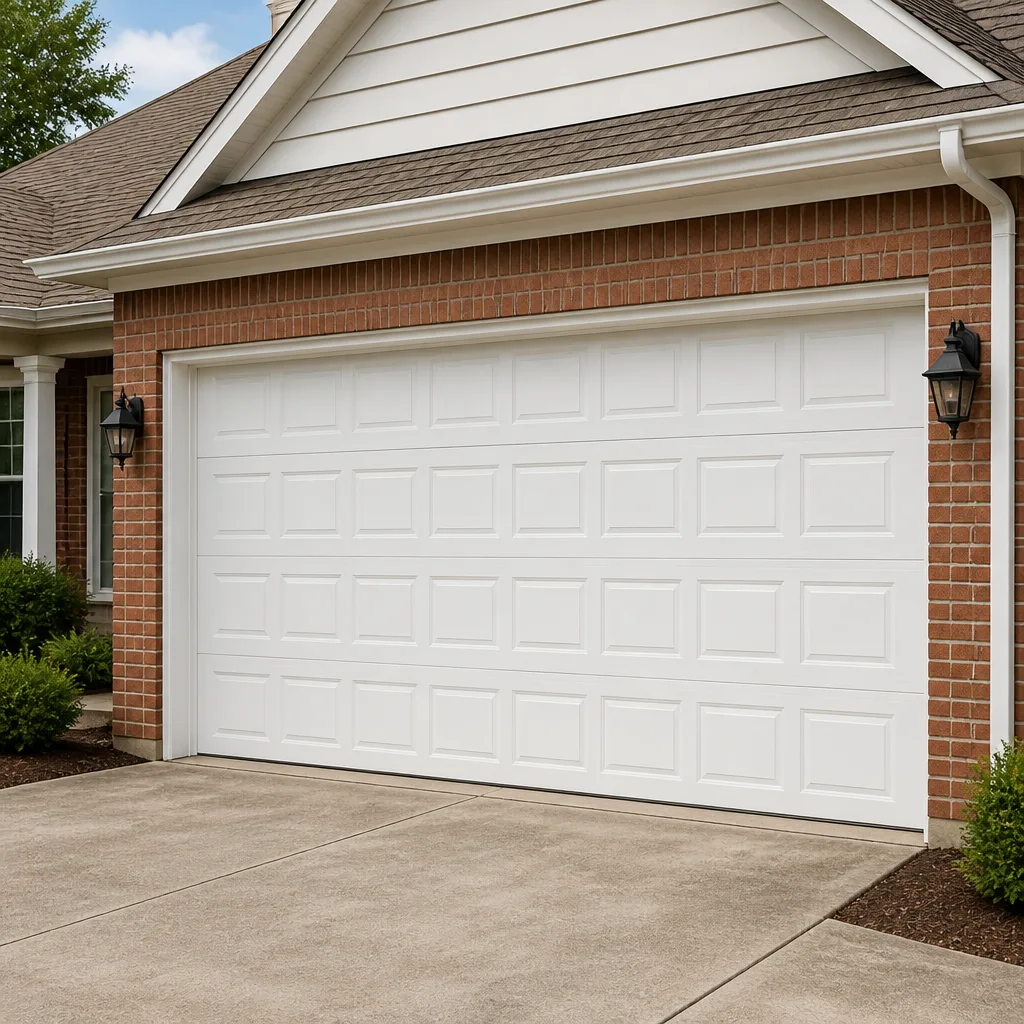
 Raised-panel steel
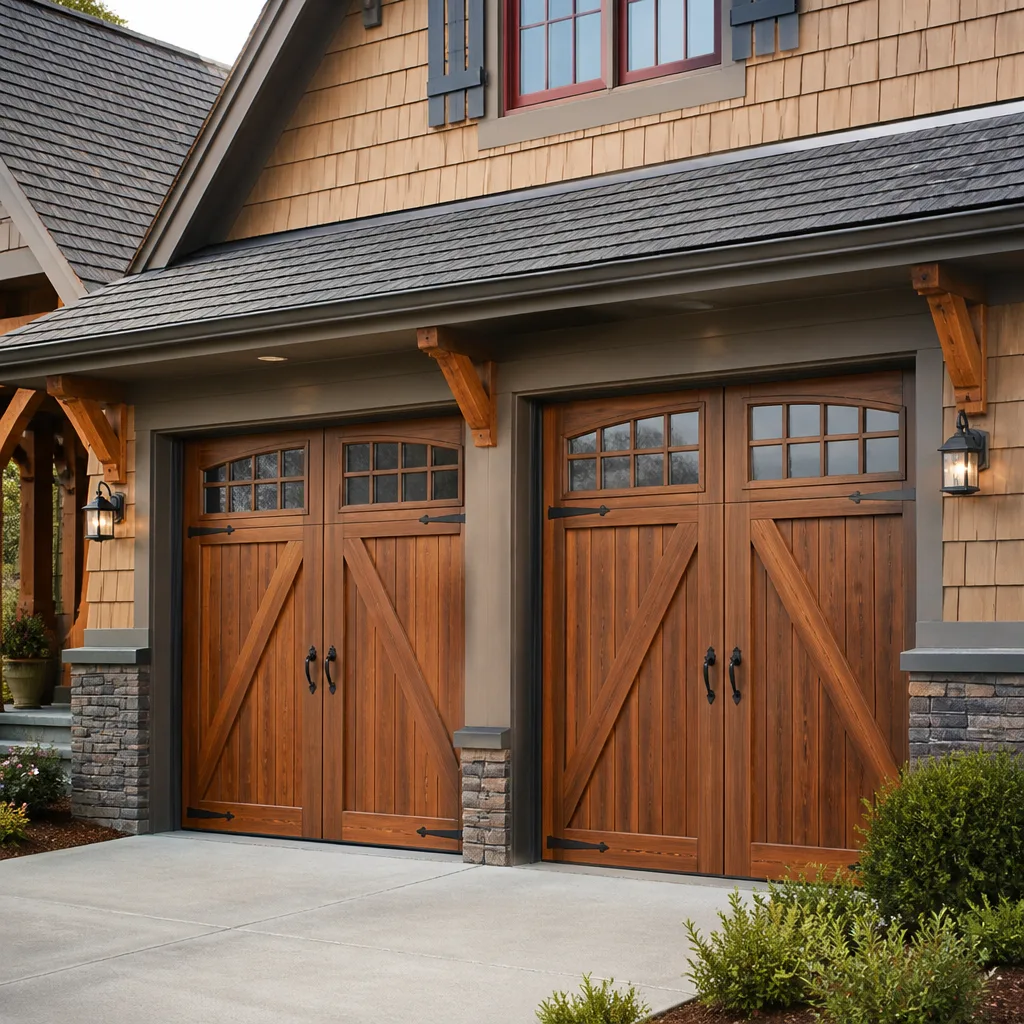 Carriage house
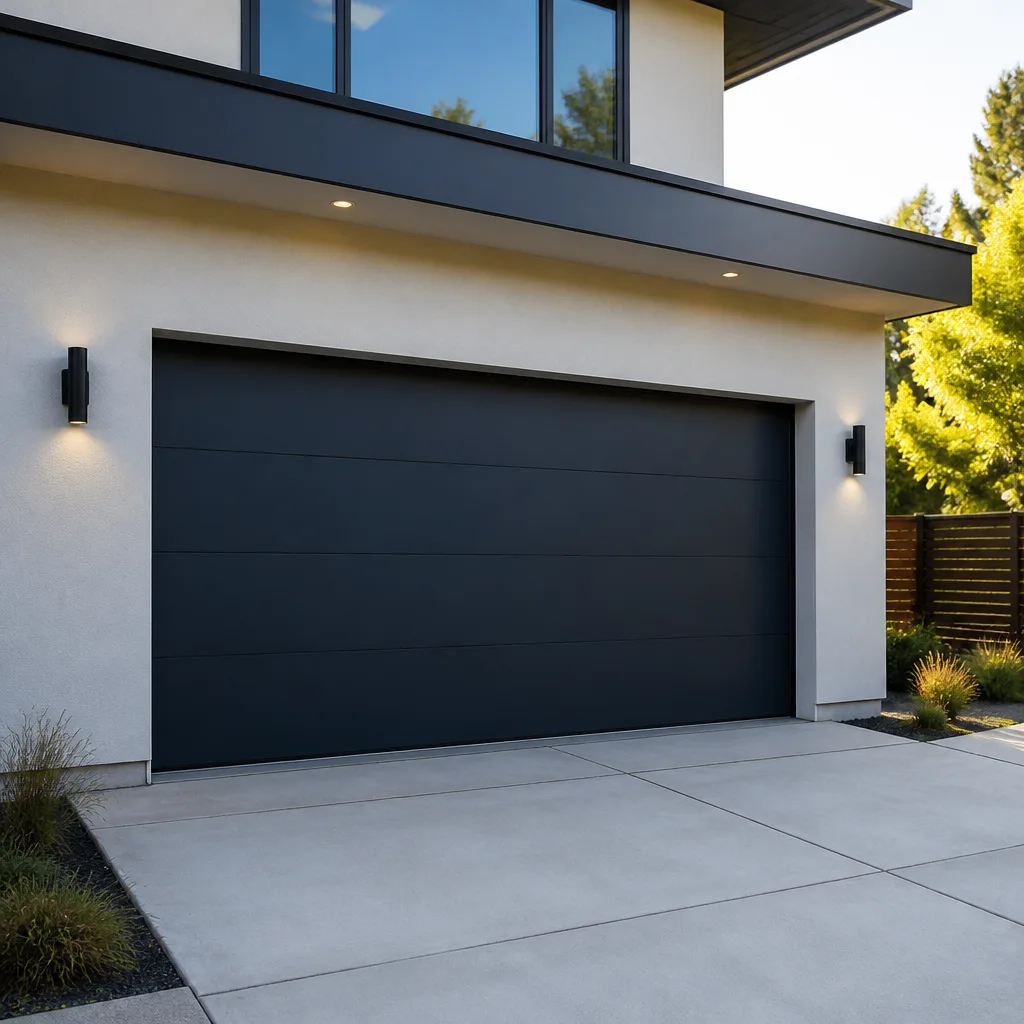 Modern flush
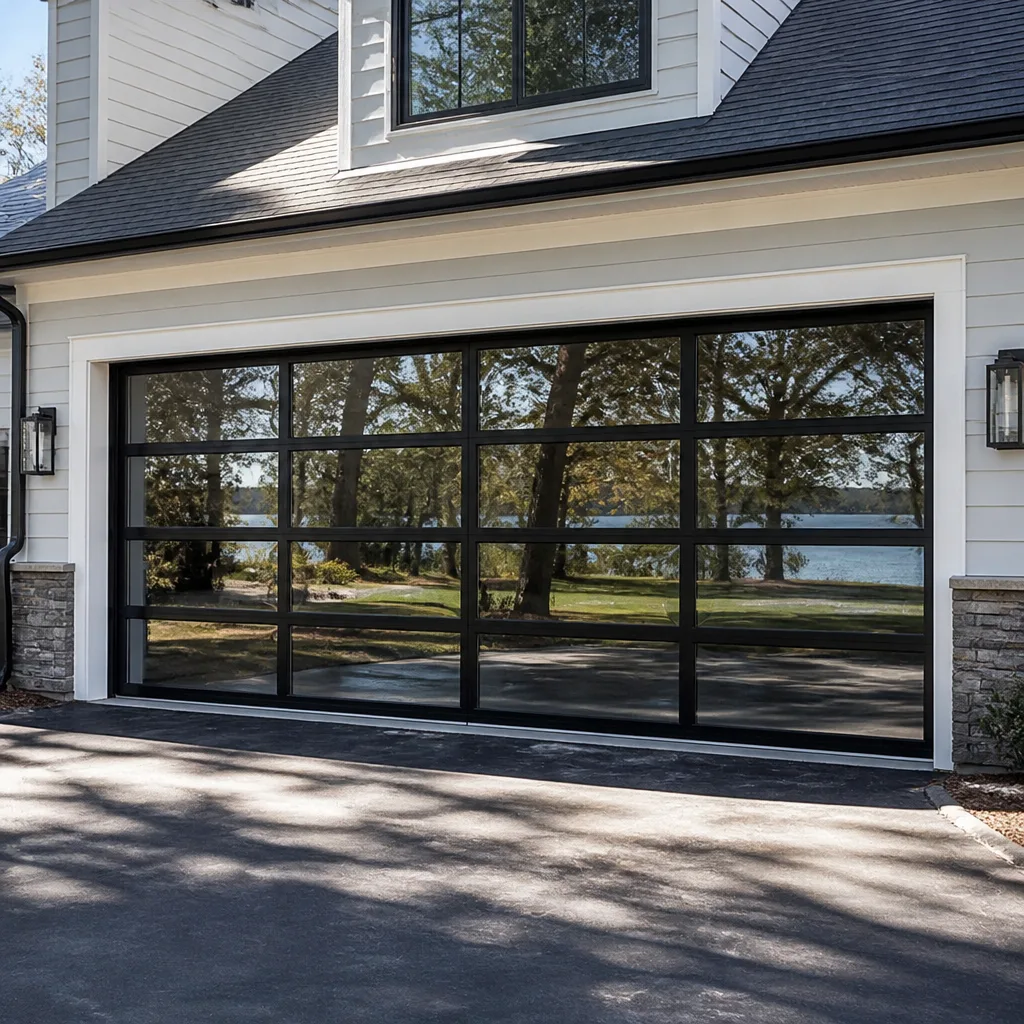 Full-view glass
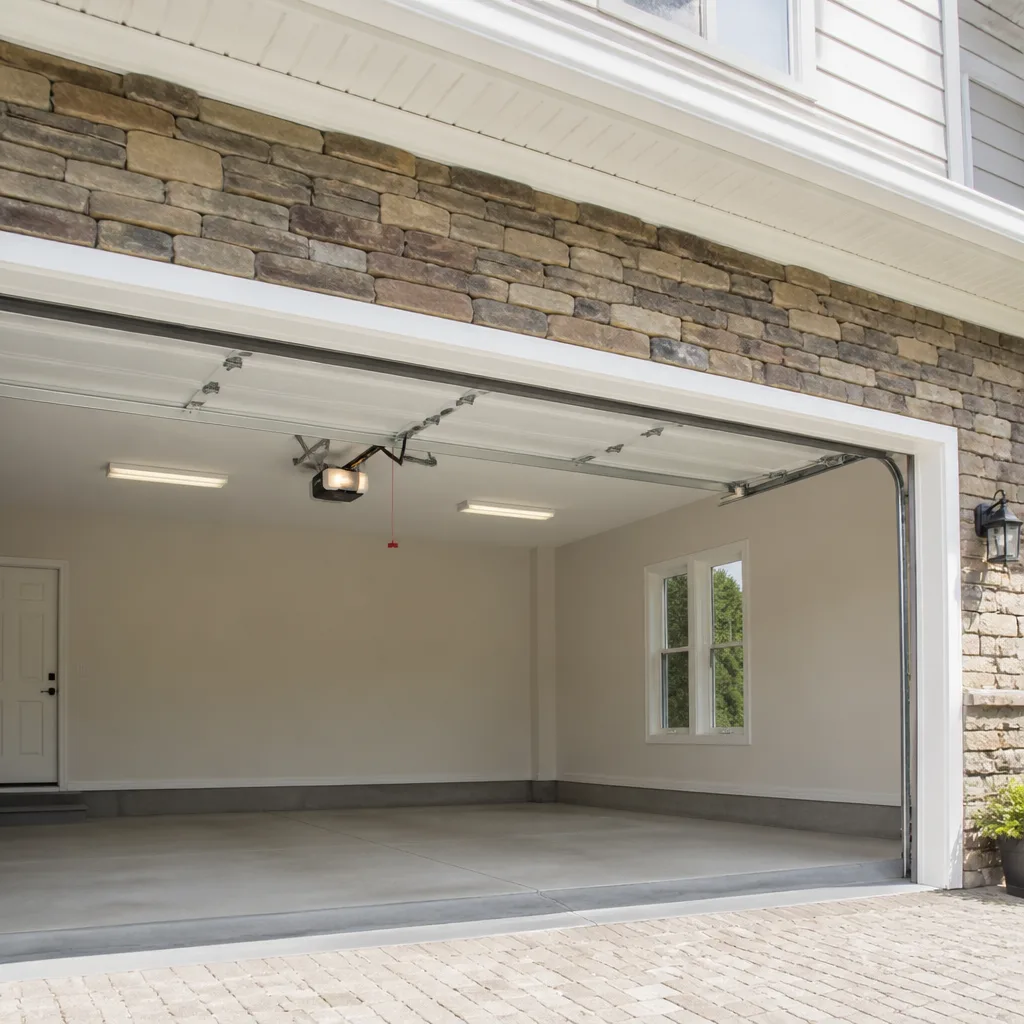 LiftMaster openers
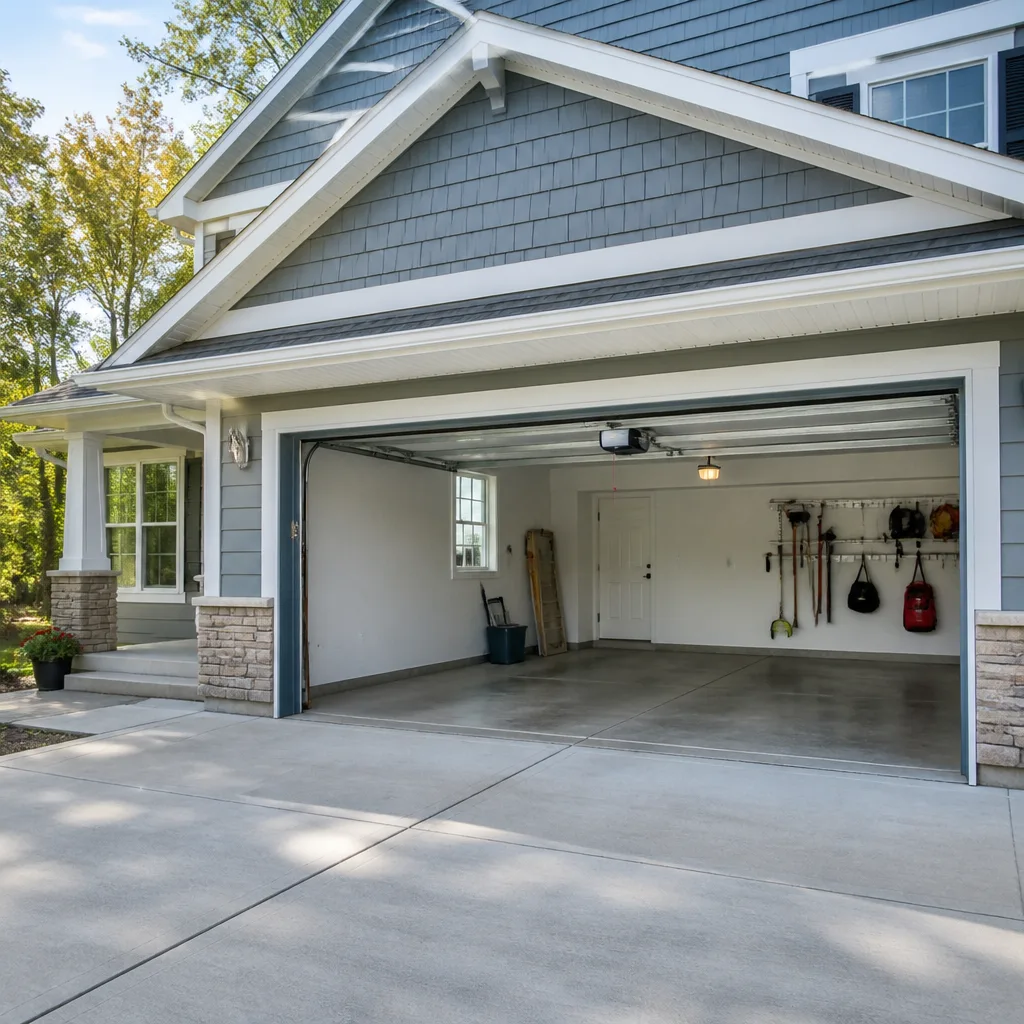 Chamberlain openers
Full 25-point door and opener safety check with every visit - springs, cables, rollers, tracks, and your LiftMaster or Chamberlain opener included
You get a price before we start. It does not change when the pro arrives.
Get your free estimateStyles & brands we work with
- Raised-panel steel
- Carriage house
- Modern flush
- Full-view glass
- LiftMaster openers
- Chamberlain openers
See the difference
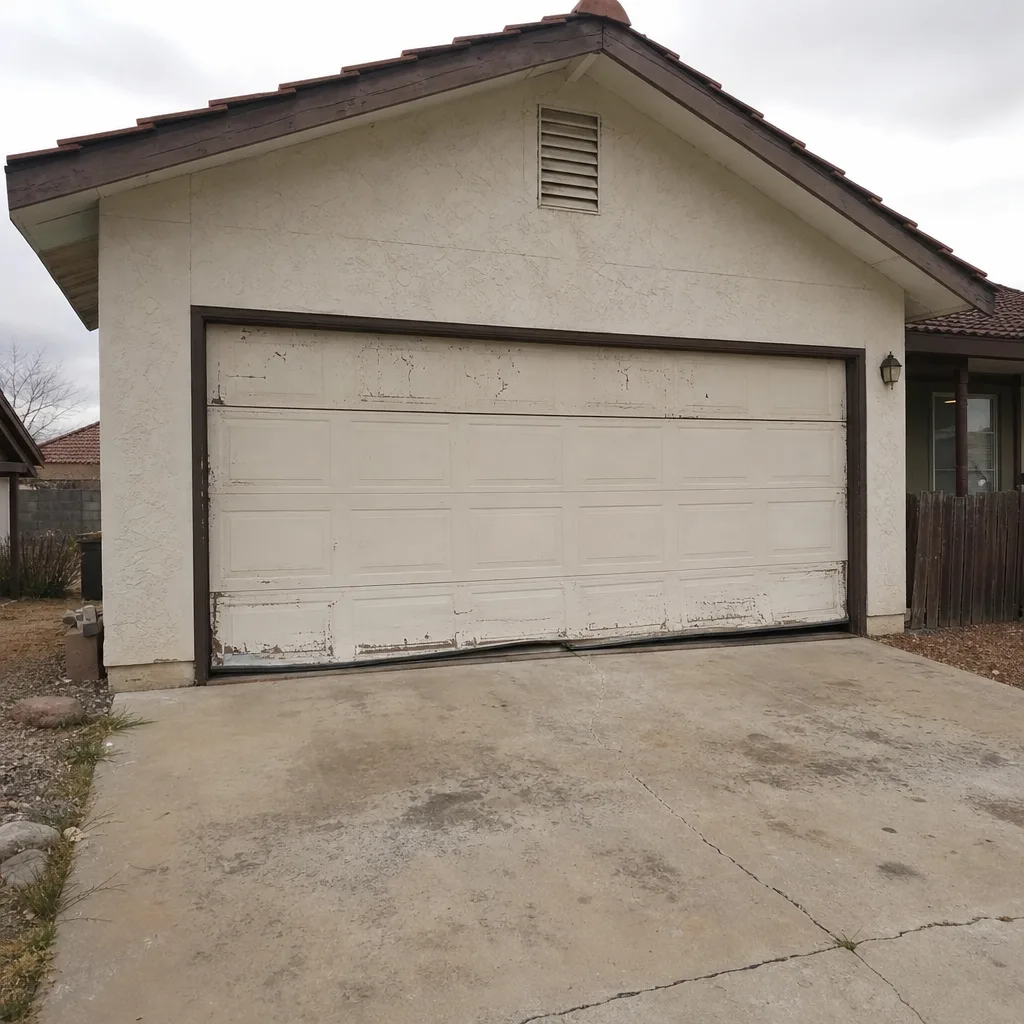 Before
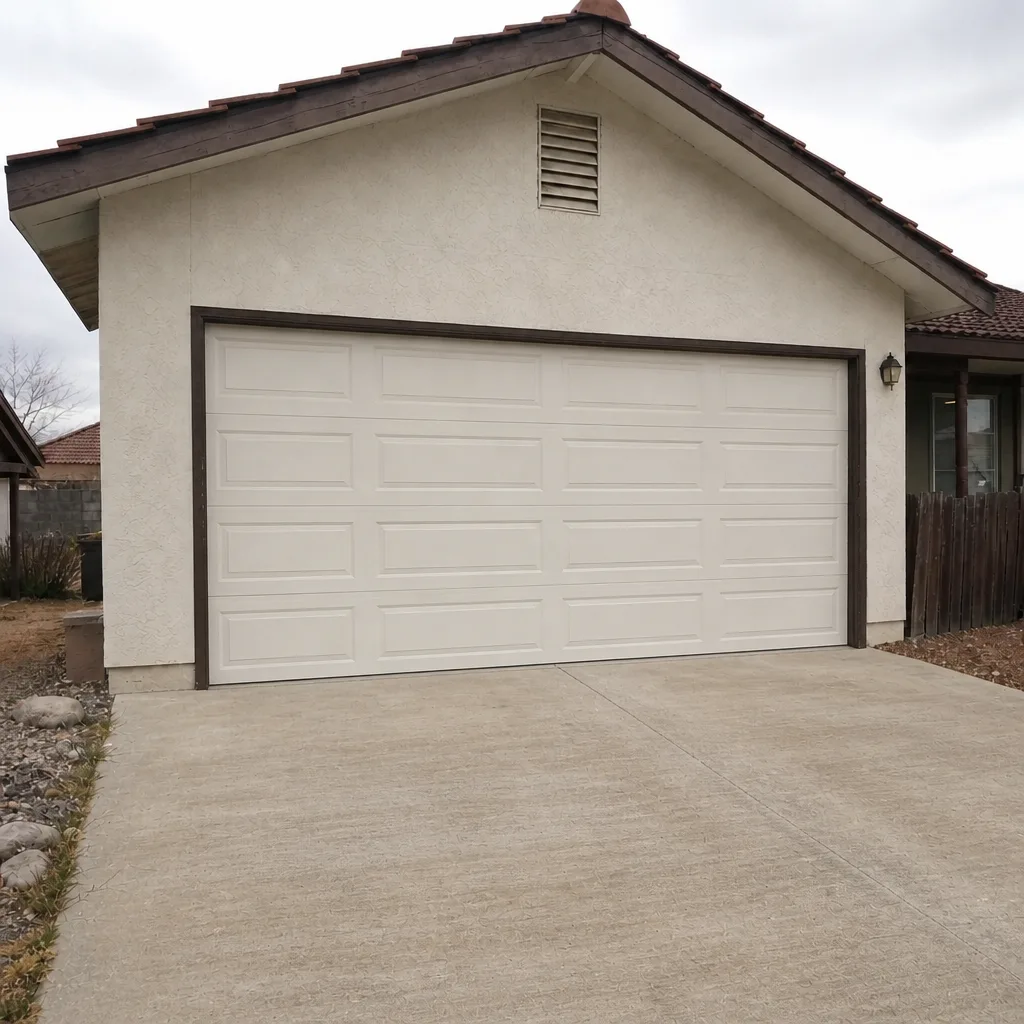 After
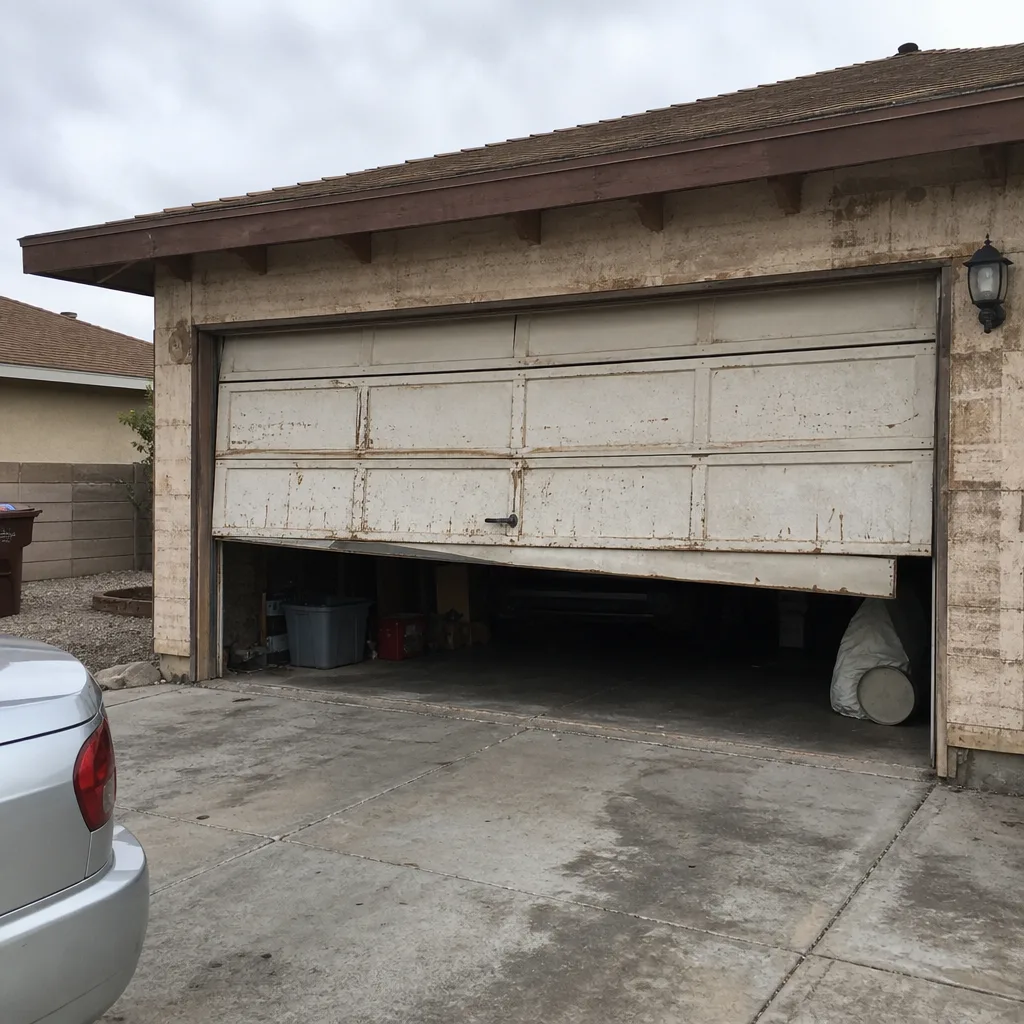 Before
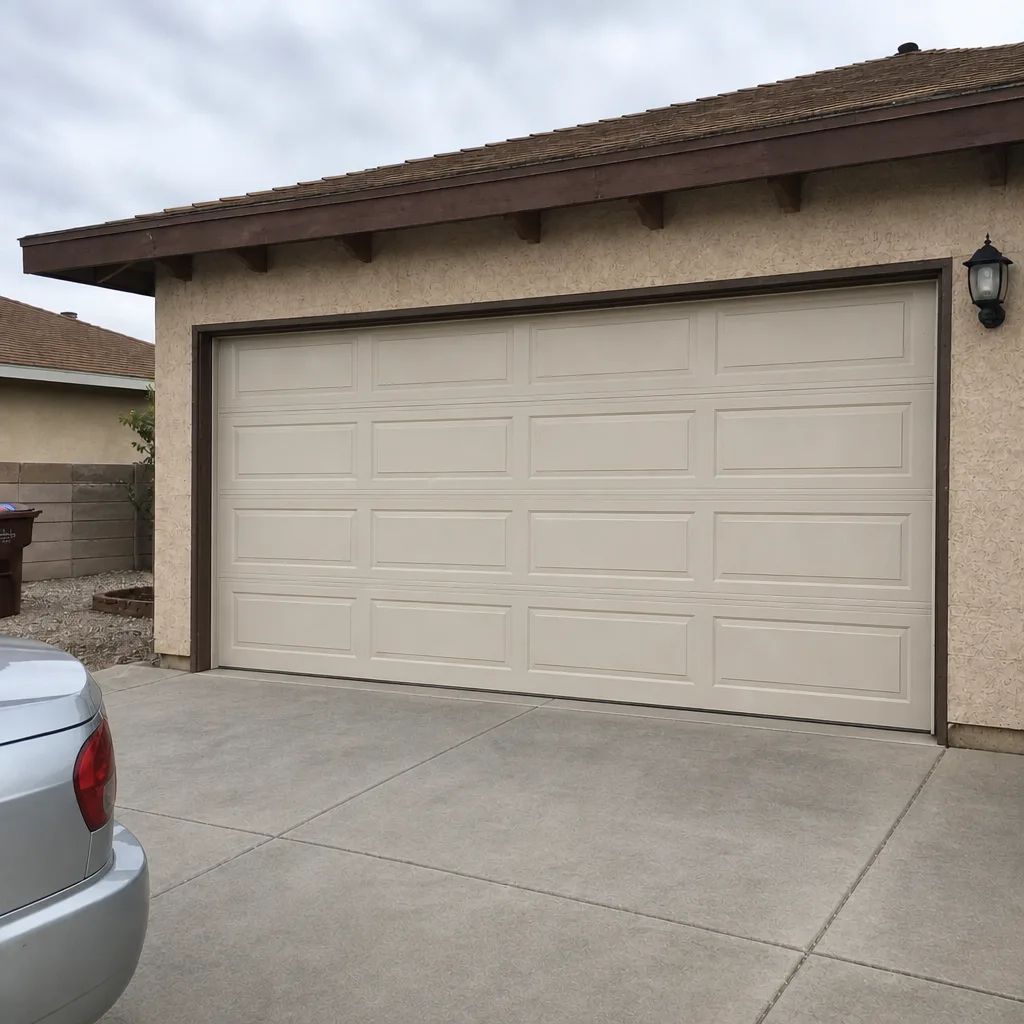 After
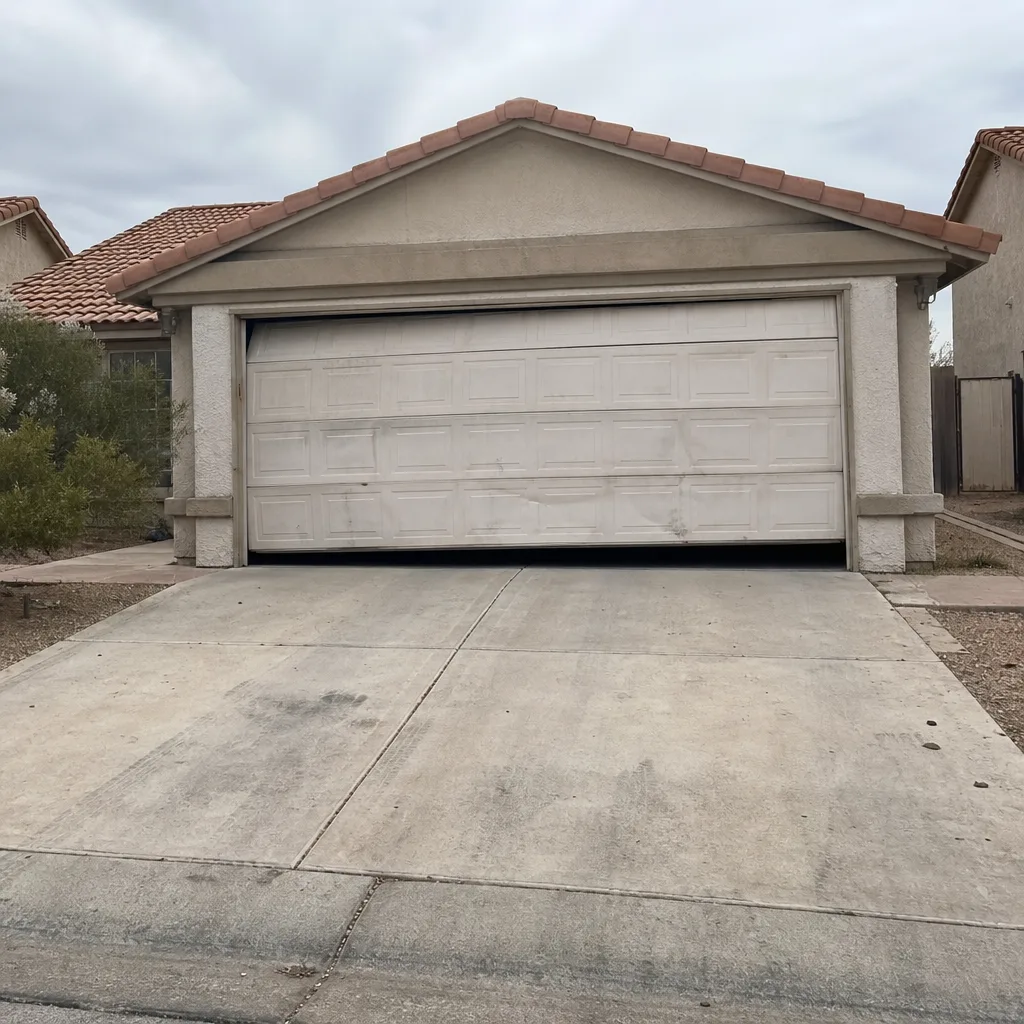 Before
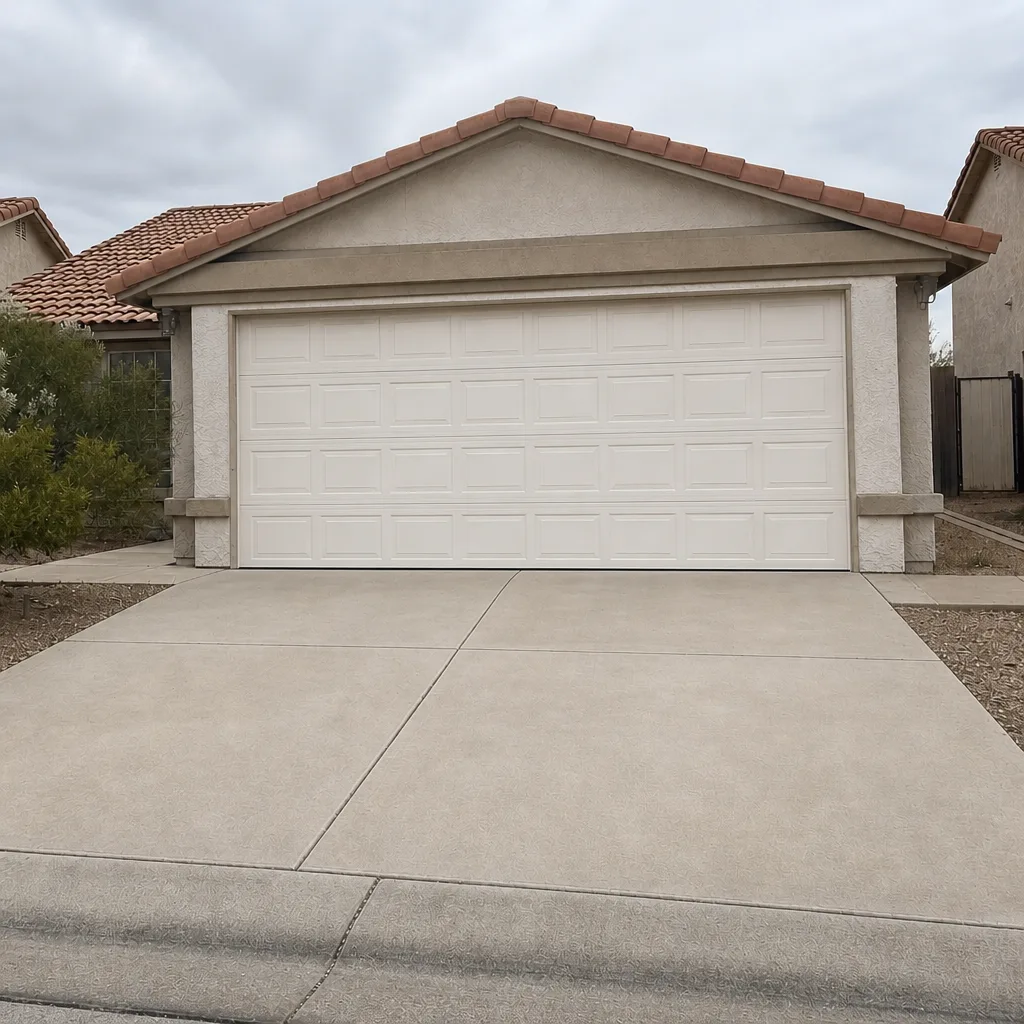 After
How to Program a Garage Door Opener in Boulder City, NV
Find the learn button on your opener’s motor head and note its color before you buy any remote: yellow means an older 390MHz LiftMaster, orange or purple means 315MHz rolling code, and green or teal means 390MHz rolling code. Press the learn button, then press your remote button within 30 seconds, and the remote should pair. If your opener has a row of DIP switches instead of a learn button, you’re dealing with a fixed-code unit, and a rolling-code-only remote simply won’t work with it. Call (844) 560-4479 if you get stuck.
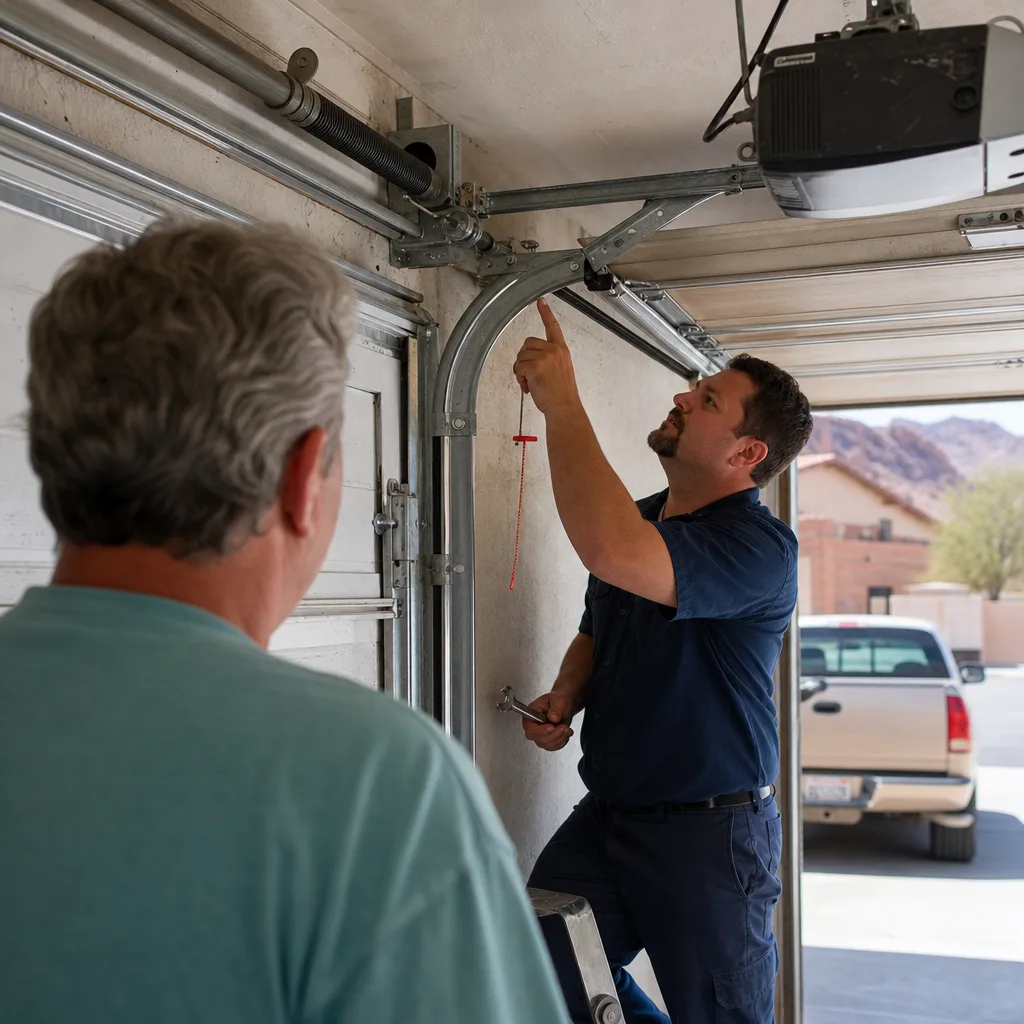
That color check matters more in Boulder City than in most places. The whole historic core here was planned and built by the federal government in the 1930s as a Boulder Dam construction town. Some of those garages had openers retrofitted onto them decades later, and those openers don’t always speak the same code language as the remote you just bought.
Key Takeaways
- Your learn button color tells you the frequency and code type. Check it before buying a remote.
- Rolling code (modern) and fixed code (older DIP switches) are not interchangeable.
- Most standard pairings take under a minute; the difficulty is usually identifying what you own.
- If there’s no learn button and no DIP switches, the opener is likely past its useful life.
Rolling Code vs. Fixed Code: What’s Actually Inside Your Opener
Fixed-code openers transmit the same code every single time you press the button. The code is set by a row of small DIP switches inside both the opener and the remote, and you match them up so the two agree. The problem is anyone with a receiver can capture that repeated code. That’s how garage door openers got their reputation in the 1980s.
Rolling-code openers use a chip that changes the code after every use, cycling through billions of combinations. Your remote and opener stay in sync through a shared algorithm. This is the standard on everything built in the last 25 years or so. Here’s the practical part: a rolling-code remote cannot be programmed to a fixed-code opener. If your opener is a 1990s-era Craftsman or Raynor with DIP switches inside, the new universal remote in your hand has to be a fixed-code-capable model, or you’ll be pressing buttons in frustration at 8 PM.
Learn Button Color Guide
This is the table the manufacturer PDFs split across five different pages. Here it is in one place.
| Learn Button Color | Frequency / Type | What It Tells You |
|---|---|---|
| Yellow | 390MHz, older LiftMaster | Older rolling code; needs a compatible remote or a receiver kit |
| Orange or Purple | 315MHz, rolling code | Modern rolling code; most universal remotes work |
| Green or Teal | 390MHz, rolling code | Rolling code; older round-style remotes often pair |
| Red or Black | Varies | Often older rolling code; confirm with the opener model number |
| No button (DIP switches only) | Fixed code | Pre-rolling-code unit; rolling-code remote won’t work |
If you can’t find the button or switches anywhere on the motor head, look for a model sticker on the back of the rail or under the light lens. The model number is more reliable than the color in some cases, especially if a prior homeowner swapped remotes or the opener was repainted.
Programming Steps for Both Types
Once you’ve identified your system, the actual pairing is straightforward. Just know that in Boulder City’s historic garages, the motor head may be mounted high in a tight, low-clearance space, so bring a step stool and a flashlight before you start.
How to Program a Rolling-Code Opener
- Locate the learn button on the motor head (the box hanging from the ceiling rail). It’s usually near the antenna wire.
- Press and release it once. A small LED on the opener will glow or blink for about 30 seconds.
- Within those 30 seconds, press and hold the button on your new remote for 2-3 seconds. The opener will click or the LED will flash to confirm.
- Test the remote from inside the garage first, then from the driveway.
If the LED never lights, check the opener’s power and the battery in the remote. If the LED lights but the remote doesn’t pair, you likely have a frequency mismatch, not a bad remote.
How to Program a Fixed-Code Opener
- Slide the battery cover off the opener and locate the DIP switch bank on the motor head.
- Note the up/down pattern of the switches (usually 8-12 tiny toggles).
- Open the remote and set its DIP switches to the exact same pattern.
- Test the door. If it doesn’t respond, re-verify every switch; one out of position is enough to fail.
For the record, we never recommend opening the operator housing to adjust the limit switch or the force dial. Those control how far the door travels and how hard it pushes. Get them wrong and the door can reverse unexpectedly or crush something. That’s a trained-professional job.
When Programming Isn’t the Answer
In the 1930s bungalow core of Boulder City, we regularly see openers that have simply run out of road. They were installed in the 1970s, 80s, or 90s onto garages that were never designed for them, and today there’s no remote, no learn button, no DIP switches, and no manual. The unit hums but won’t move, or it moves the door two feet and stops. In that case, no amount of programming will help. The opener needs replacement, not a new remote.
That’s also the moment when a homeowner learns the harder truth about these garages. The Historic District’s 1931-1936 garages were built around 7-foot-wide single-car openings with low headers, sized for 1930s sedans rather than modern SUVs. A standard 16-foot double door literally will not fit. The original wood or early steel doors often carry hardware that the Historic District’s architectural review looks at closely if replacements are proposed. If your opener replacement requires touching the door or the framing, you want a technician who understands that the architecture is part of the equation.
Bramwell Garage Door Repair Boulder City services these homes regularly. Our technicians have up to 25 years of experience and are authorized to service LiftMaster, Chamberlain, Genie, Clopay, Amarr, Wayne Dalton, Craftsman, and Raynor. Opener installation in Boulder City runs $250-$550, parts and labor included, and we present a written price before any work begins.
What Boulder City Climate Does to Openers and Remotes
Triple-digit summer heat and high-desert UV hit garage door hardware hard. Springs snap more often in June through August. Remotes left in hot cars sometimes fail outright because the internal battery cooks. And windblown grit off the Lake Mead shorelines works its way into rollers and tracks, adding drag that makes the opener work harder than its rating allows. If your opener is struggling to lift or lower the door after programming, the remote is not the problem; the door system is.
The Kingswell Guarantee means every repair comes with a written price, a real arrival window, a clean job site, and a written guarantee. If a covered repair fails within the 365-Day Done Right Promise period, we come back and fix it at no charge. That commitment is in writing, not just said at the door.
FAQs
Look for a learn button on the motor head: if you have one, it’s rolling code, and its color tells you the frequency. If there’s no button but a row of tiny DIP switches, it’s fixed code. The quickest check is a photo of the motor head and the model sticker sent to a technician, who can usually identify the unit in under a minute.
The most common cause is a code-type mismatch: you bought a rolling-code-only remote and your opener uses fixed-code DIP switches, or vice versa. A second cause is buying a remote on the wrong frequency (315MHz vs. 390MHz). If you’ve confirmed both and it still won’t pair, there may be an opener fault. Call (844) 560-4479 for a same-day visit; estimates are free.
Opener repair in Boulder City typically runs $120-$320, parts and labor included. Full opener installation runs $250-$550. We give you a written price before any work starts, so the number on the invoice matches the number you heard. Call for an exact quote.
Yes, we offer same-day service when availability allows, and a live person answers the phone 24 hours a day, seven days a week, including nights and weekends. If your door won’t close and you’re about to leave or go to bed, call (844) 560-4479. Estimates are free, and the written price comes before any work begins.
If you’d rather have it looked at than keep pressing the learn button from a step stool, Bramwell Garage Door Repair Boulder City offers a no-pressure assessment in Boulder City. Call (844) 560-4479 for a free estimate. Backed by the Kingswell Guarantee: written price, real arrival window, clean job site, written guarantee.
Written by the team at Bramwell Garage Door Repair Boulder City, serving Boulder City, NV.