
Last updated November 18, 2026
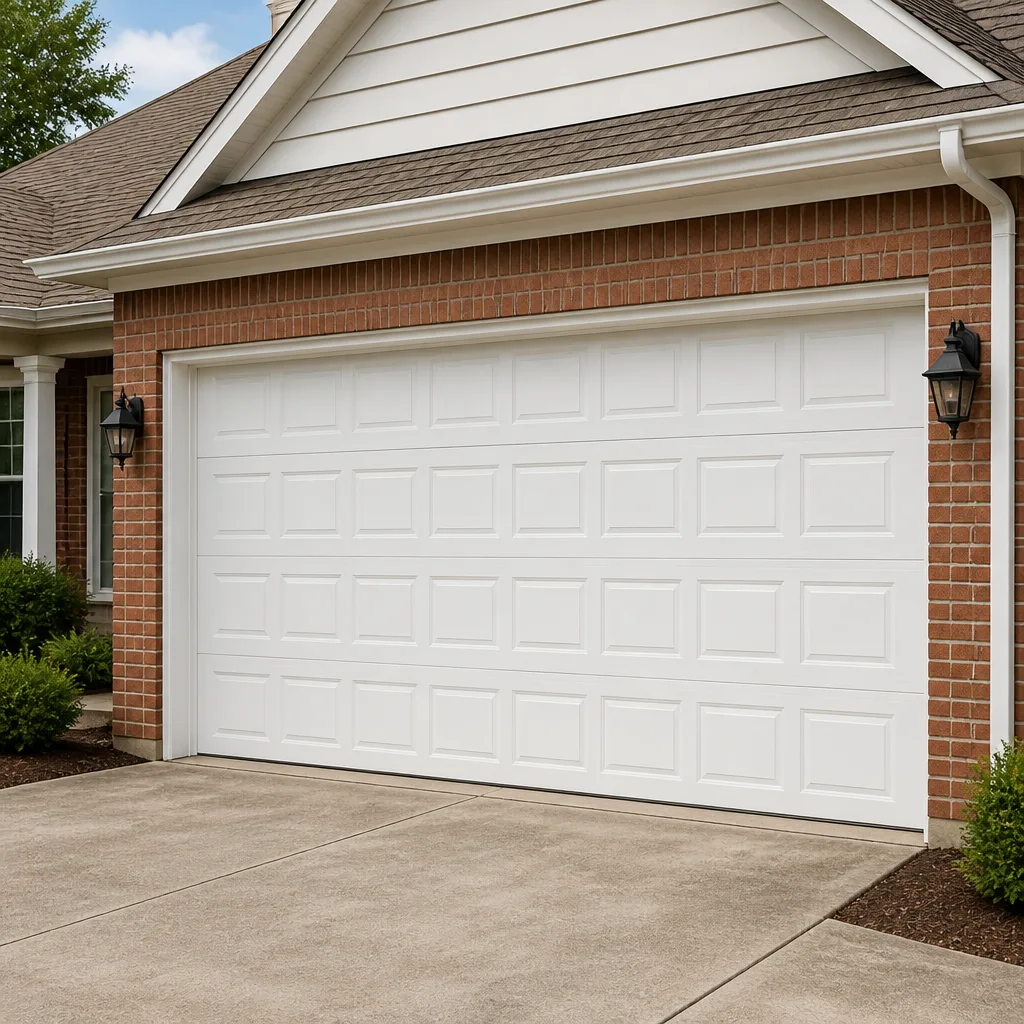 Raised-panel steel
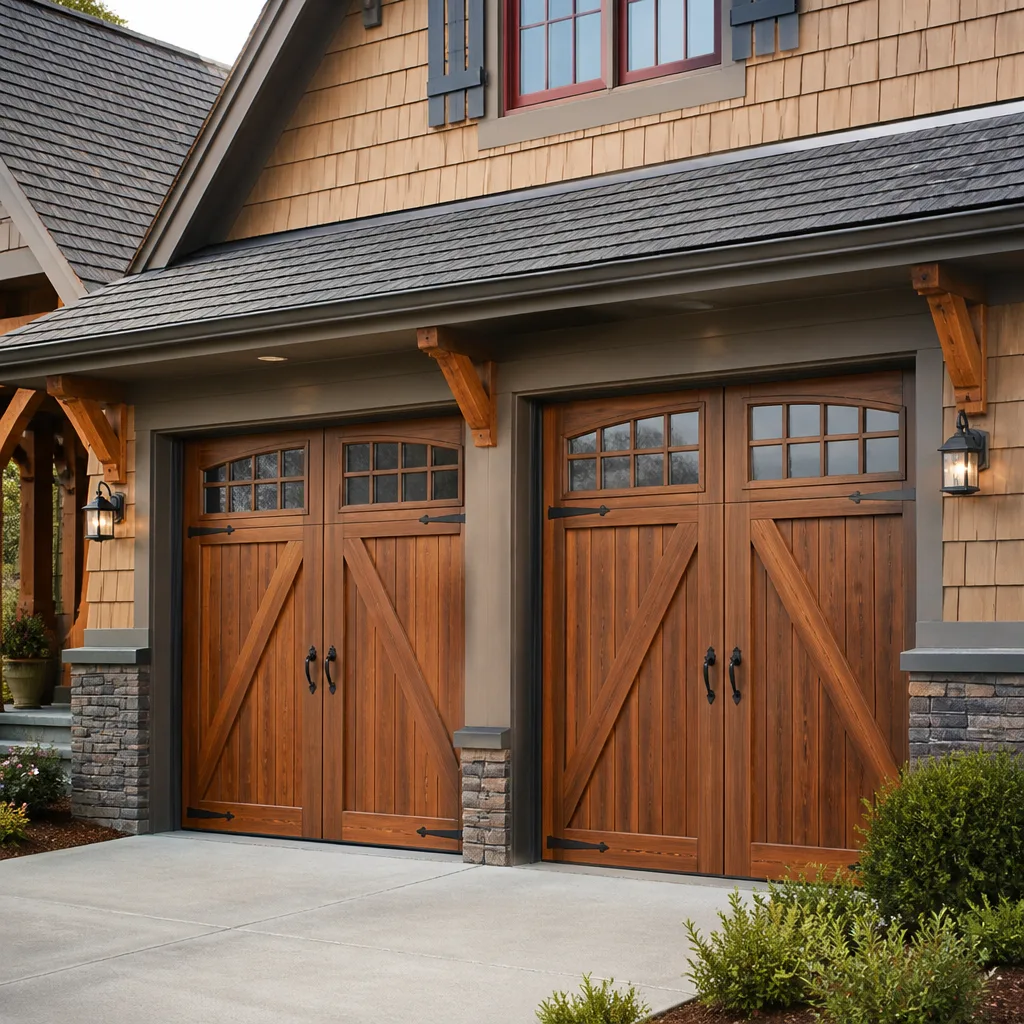 Carriage house
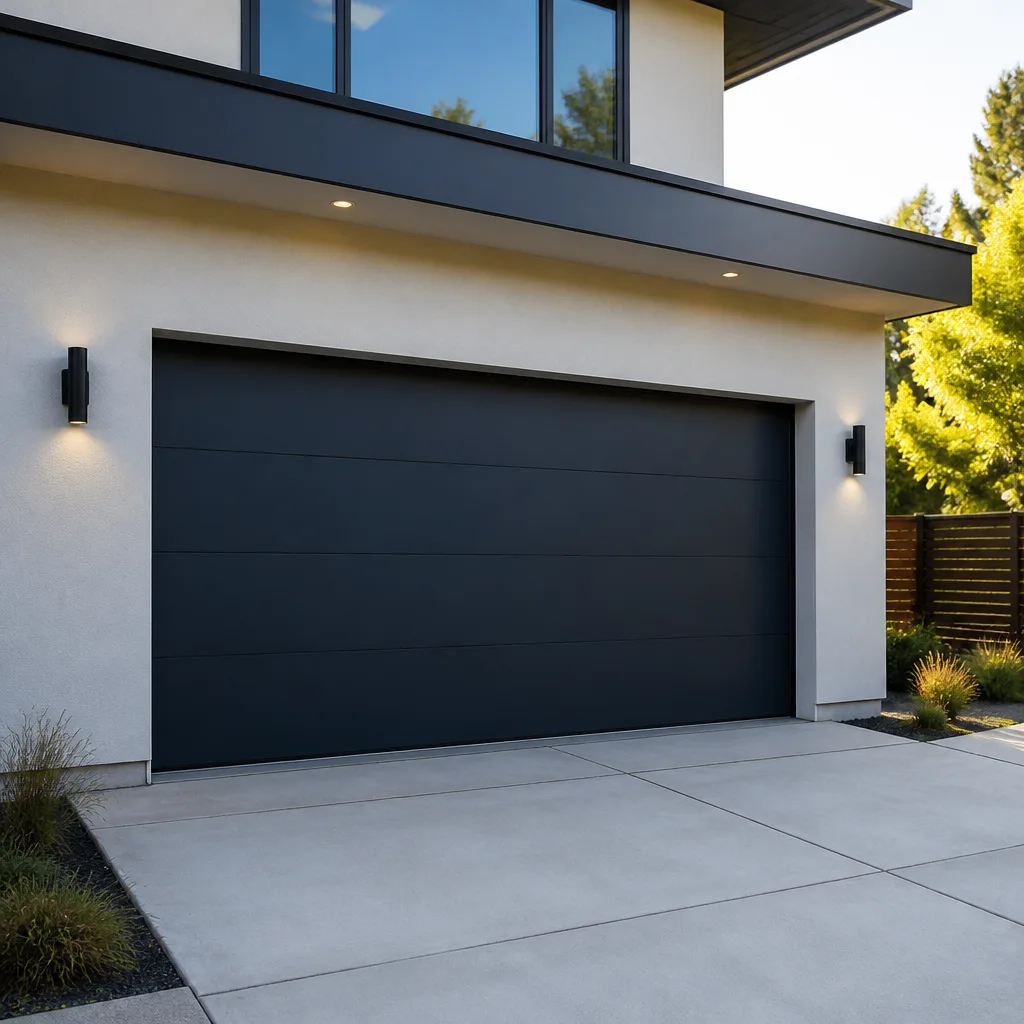 Modern flush
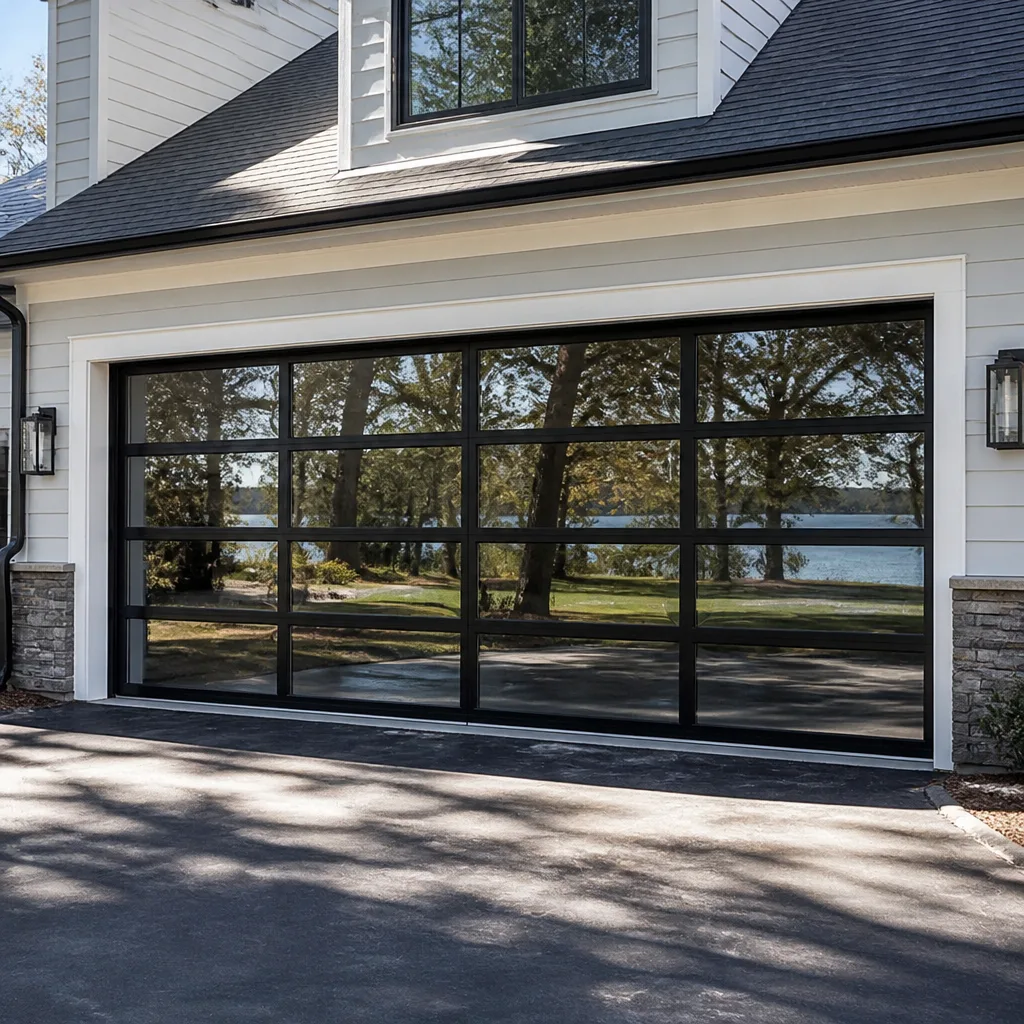 Full-view glass
 LiftMaster openers
 Chamberlain openers
Full 25-point door and opener safety check with every visit - springs, cables, rollers, tracks, and your LiftMaster or Chamberlain opener included
You get a price before we start. It does not change when the pro arrives.
Get your free estimateGarage Door Warning Signs: A Boulder City Homeowner’s Reference Guide
A grinding noise during the last six inches of closing is almost always a limit switch out of adjustment – a $40 fix. Left alone in Boulder City’s heat, that small misalignment overworks the opener motor until the motor burns out. Now you’re looking at a $300 replacement instead of a tune-up. Most garage door failures announce themselves weeks before they happen, with sounds, movements, and visual cues homeowners write off as “just how the door sounds.” This guide decodes those signals, rates each one by urgency, and tells you which ones let you keep using the door – and which ones mean stop operating it today.
Quick Answer
Garage door warning signs fall into three categories: sounds (grinding, popping, squealing), movements (jerking, uneven travel, slow response), and visual cues (rust streaks, fraying cables, bowed panels). Any single grinding noise during the last few inches of travel usually points to a limit switch adjustment, while popping or a visible cable fray means stop using the door and call a professional. In Boulder City’s desert heat, seal cracking, roller deformation, and opener capacitor failure show up faster than in cooler climates.
Styles & brands we work with
- Raised-panel steel
- Carriage house
- Modern flush
- Full-view glass
- LiftMaster openers
- Chamberlain openers
Table of Contents
- Symptom-to-Cause Reference Table
- What the Sounds Are Telling You
- Reading the Door’s Movement
- Visual Signs You Can Spot From the Driveway
- Why Boulder City Heat Accelerates Three Warnings
- Safe to Keep Using vs. Stop Operating Now
- How to Describe a Warning Sign Over the Phone
- The Two Signs That Mean Spring Failure Is Imminent
Symptom-to-Cause Reference Table
This table maps the most common garage door warnings to their likely causes and urgency levels. Use it as a starting point – a technician confirms the real cause on site. The urgency column tells you whether the door can wait for a scheduled visit or needs to stay closed until someone arrives.
- Grinding in the last 6 inches of travel → Limit switch out of adjustment → Low urgency, adjust soon
- Loud pop followed by door dropping hard → Torsion spring failure → Stop now, do not operate
- High-pitched squealing when opening → Dry or worn rollers and hinges → Low urgency, lubricate or replace
- Jerking motion during travel → Bent track, worn roller, or loose cable → Medium urgency, book a visit
- Door travels unevenly (one side lags) → Cable slack or track misalignment → Medium urgency, book a visit
- Slow response to the remote → Opener capacitor or battery issue → Low urgency, check capacitor age
- Rust streaks below hinges → Water intrusion or failing bearings → Medium urgency, inspect soon
- Frayed or kinked cable → Cable wear → Stop now, do not operate
- Bowed or cracked panel → Impact damage or structural stress → Medium urgency, schedule inspection
- Door reverses for no reason → Safety sensor misalignment or logic board → Medium urgency, diagnose
- Door won’t stay closed → Travel limit or sensor blockage → Medium urgency, diagnose
- Uneven gap at the floor → Seal cracking or bottom bracket wear → Low urgency in most months, more urgent in summer
If any line in this table matches what you’re hearing or seeing, write down the symptom and when it happens. That detail shortens the phone conversation and often sharpens the estimate.
What the Sounds Are Telling You
Garage doors are loud by nature. The question is which sounds are normal and which ones are the door telling you something is wearing out. The four sounds below cover most of what we get called about in Boulder City.
Grinding
Grinding almost always points to the limit switch – the small component that tells the opener motor when to stop. A grinding noise during the last several inches of travel means the motor is still trying to push past the set travel point. It’s a straightforward adjustment, and left alone it works the motor until the opener fails.
Popping
A sharp pop, followed by the door slamming down hard, is the signature sound of torsion spring failure. The torsion spring – the heavy coil mounted above the door that handles most of the lifting weight – has snapped. This is not a “call tomorrow” situation. Stop using the door.
Squealing
High-pitched squealing during opening usually means dry or worn rollers and hinges. In our experience, a simple lubrication service quiets most of these calls. If the squealing returns within a few weeks, worn rollers need replacing.
Rattling
Rattling when the door moves often means loose hardware – hinges, brackets, or bolts that have worked themselves loose. Desert thermal cycling loosens hardware faster than in climates with stable temperatures. A torque check during a routine visit catches most of it.
Reading the Door’s Movement
Movement tells you as much as sound. Watch the door travel its full cycle once a month – up, pause, down – and note anything that looks different from last time.
- Watch the door open. Does it move smoothly, or does it hesitate and jerk? Jerking suggests a bent track, worn roller, or loose cable.
- Watch the door close. Does one side lag behind the other? Uneven travel means cable slack or track misalignment, and it needs a professional look.
- Time the response. Does the door start moving the moment the remote is pressed, or is there a delay? A slow response often points to a failing opener capacitor, which we see often in Boulder City summers.
- Watch the last six inches. If the door grinds or labors in the final inches, the limit switch is out of adjustment.
- Check the reversal. Put a small object in the door’s path and press close. The door should reverse immediately. If it doesn’t, the safety sensors need attention today.
Do not try to adjust tracks or cables yourself. Tracks look simple, but a bent track combined with stored spring tension is a real injury risk. A trained technician can confirm the cause in a single visit and match the correct part – whether the door uses a Genie or LiftMaster opener, or a Clopay or Amarr door.
Visual Signs You Can Spot From the Driveway
You don’t need a ladder to catch most visual warnings. A walk around the door with a flashlight covers almost everything.
- Rust streaks below hinges. Bright orange streaks running down from hinge points usually mean water intrusion or failing bearings. In Boulder City we see this on older doors after a wet winter, when moisture gets behind the hinges and sits.
- Frayed or kinked cables. Look at the cables running along the sides of the door. A few loose strands at the bottom loop means the cable is failing and needs replacement.
- Bowed or cracked panels. A bowed panel often signals impact damage – a bumper hit, a bicycle, or a car with a slightly too-high load. Cracked panels let moisture into the door’s structure and get worse every summer.
- Uneven gap at the floor. Look at the bottom seal when the door is closed. Sunlight or daylight showing under the seal means the bottom bracket or seal has shifted. Desert sun destroys rubber seals in two to three years on average – faster on west-facing doors.
- Loose or pulled brackets. A bracket that has pulled away from the panel leaves visible separation. It won’t fix itself.
If any of these show up, take a photo on your phone before you call. A photo tells the technician more than a description alone, and it helps with an accurate quote. For a full repair overview in Boulder City, see our garage door repair service page.
Why Boulder City Heat Accelerates Three Warnings
Boulder City summers push garage interiors past 120°F on a regular basis. That heat does specific damage that homeowners in cooler climates never deal with – and it makes three warnings show up faster here than almost anywhere else in southern Nevada.
1. Seal cracking
The rubber seal along the bottom of your door takes direct sun and ground heat. In Boulder City, a seal that would last four or five years in a mild climate often cracks and hardens within two or three. Cracking seals let in dust, heat, and insects. They also cause the door to close unevenly and strain the opener.
2. Roller deformation
Nylon and steel rollers warp under sustained high heat. A deformed roller creates that jerking motion we described above. Once a roller is out of round, it wears the track faster and increases drag on the opener. The fix is a roller replacement, not a lubrication job.
3. Opener capacitor failure
The capacitor is a small component inside the opener that gives the motor its initial surge of power. It degrades faster in heat. When a capacitor fails partway, the door starts slowly and eventually won’t move at all. In our experience in Boulder City, capacitors have a shorter working life than in cooler markets. If your opener is on its original capacitor and the door started feeling sluggish this summer, that’s the likely cause.
For a closer look at the spring side of things, our guide to garage door spring repair in Boulder City covers what this heat does to spring lifespan, and what replacement typically costs. Most torsion-spring replacements run $150 – $280, parts and labor included.
Safe to Keep Using vs. Stop Operating Now
The single most useful distinction in this guide: some warnings let you keep using the door until your scheduled visit, and some mean stop today. Getting this wrong is what turns a small repair into an opener replacement.
Safe to keep using (until a scheduled visit)
- Grinding in the last few inches (limit switch)
- Squealing or squeaking during travel
- Rattling hardware
- A soft, uneven gap at the floor
- Slow response to the remote
Stop operating the door
- Sharp pop followed by the door dropping hard (spring failure)
- Visible fraying or a kink in the cable
- The door feels unusually heavy when you lift it by hand
- The door is stuck partway open or closed
- Loud metal-on-metal noise from above the door
The door weighing more than you expect is a quiet but serious warning. Torsion springs do most of the lifting. When they lose tension, the weight transfers to you and the opener. Forcing the door past that point overburdens the opener motor and damages its gears – and a damaged opener costs far more to replace than the spring does to repair. Our Bramwell Garage Door Repair Boulder City home page lays out how we handle repair calls, including what to do if the door is already stuck.
How to Describe a Warning Sign Over the Phone
A vague description (“my door is doing something weird”) gets a vague estimate. A specific description gets a real number before anyone drives out. Here’s how professionals listen, and how to speak the same language when you call.
- Name the sound. Is it grinding, popping, squealing, or rattling? Each one points to a different component.
- Say when it happens. “During the last six inches of closing” is more useful than “when I close it.”
- Say how the door moves. Does it jerk? Does one side lag? Does it stop and reverse?
- Say what you can see. Rust, frayed cable, a bowed panel, a gap at the floor.
- Give the door’s brand and rough age. A Clopay or Amarr door from the same era as another may share the same wear pattern; a Wayne Dalton door has its own common failure points.
- Say what you’ve already tried. New remote batteries, a reset opener, or a lubricated track changes the diagnostic picture.
Write these six points down before you call. A live person answers our phone 24 hours a day, 7 days a week – no voicemail tree, no next-business-day callback – so you can describe the symptom in the moment rather than trying to reconstruct it later. Every job also starts with a written price before any work begins, so the number you heard on the phone matches the number on the invoice.
If the door is failing in a way that suggests replacement is the better call, our garage door installation in Boulder City page covers the measurement and quote process.
The Two Signs That Mean Torsion Spring Failure Is Imminent
Torsion springs fail with warning, but the warning is short. Two specific signs reliably precede a snap. Catching either one lets you schedule a spring replacement on your terms instead of paying for an emergency call plus a possible opener replacement.
Sign 1: The door feels heavier than it should
When you disengage the opener (pull the red release cord) and lift the door by hand, it should feel light – a five-year-old could almost lift it. If it feels heavy, the torsion spring has lost tension. That spring is on its last mile. Book the replacement now.
Sign 2: A visible gap in the coil
A torsion spring is a continuous coil. If you can see a break or gap in the coil itself (check from below, never from above), the spring has already begun to fail or has failed. Do not operate the door.
Why operating past this point is dangerous
Torsion springs store enormous energy. When a failing spring finally lets go, it snaps with enough force to damage the door, the track, and anything in its path. Continuing to run the door also overworks the opener, which is now doing work the spring used to handle. Burned-out openers cost several times what a spring replacement does. For a spring-specific symptom breakdown, our dedicated spring repair page covers the failure patterns we see most often in Boulder City.
Do not try to replace a torsion spring yourself. Even experienced technicians treat them with respect. A spring under tension can cause serious injury in a fraction of a second.
Common Mistakes to Avoid
- Treating “it always sounded like that” as normal. A new grind or squeal is new information. Note the date and watch whether it gets worse within a week.
- Ignoring a small floor gap through summer. In Boulder City, a cracked seal gets worse every week of heat. Waiting until fall means replacing more than just the seal.
- Forcing a heavy door closed. If the door feels heavy, the spring has lost tension. Forcing it transfers the load to the opener and can strip the drive gear.
- Greasing a track to “fix” grinding. Grease on the limit switch does nothing. It masks the symptom until the motor burns out.
- Calling only after the door is stuck. A stuck door costs more to fix than a warning sign spotted two weeks earlier. Schedule the visit when the warning appears.
- Hiring whoever answers first without a written price. You want a written quote before any work starts, not a number confirmed after the technician is already at the door.
- Replacing the opener when the spring was the problem. A burned-out opener in a house with a failing spring often just repeats itself. Fix the spring first, then evaluate the opener.
See the difference
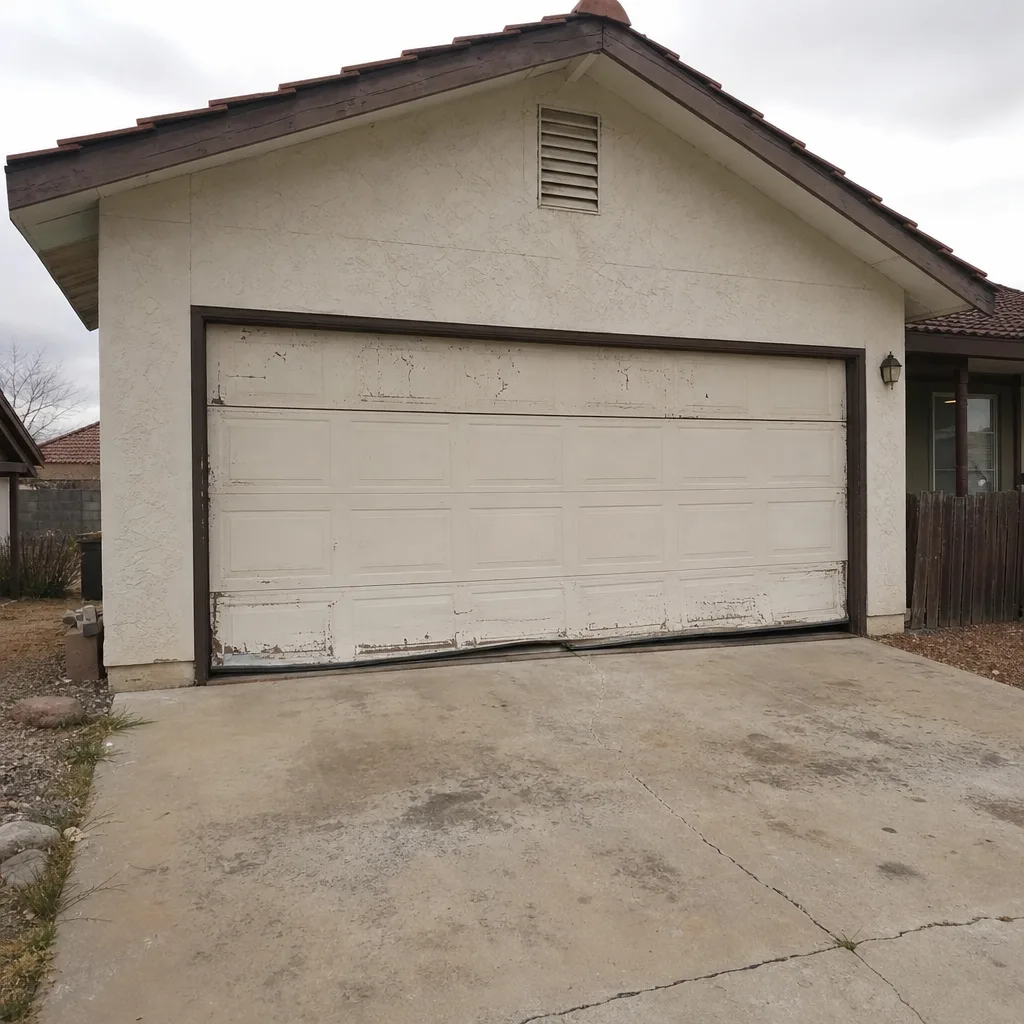 Before
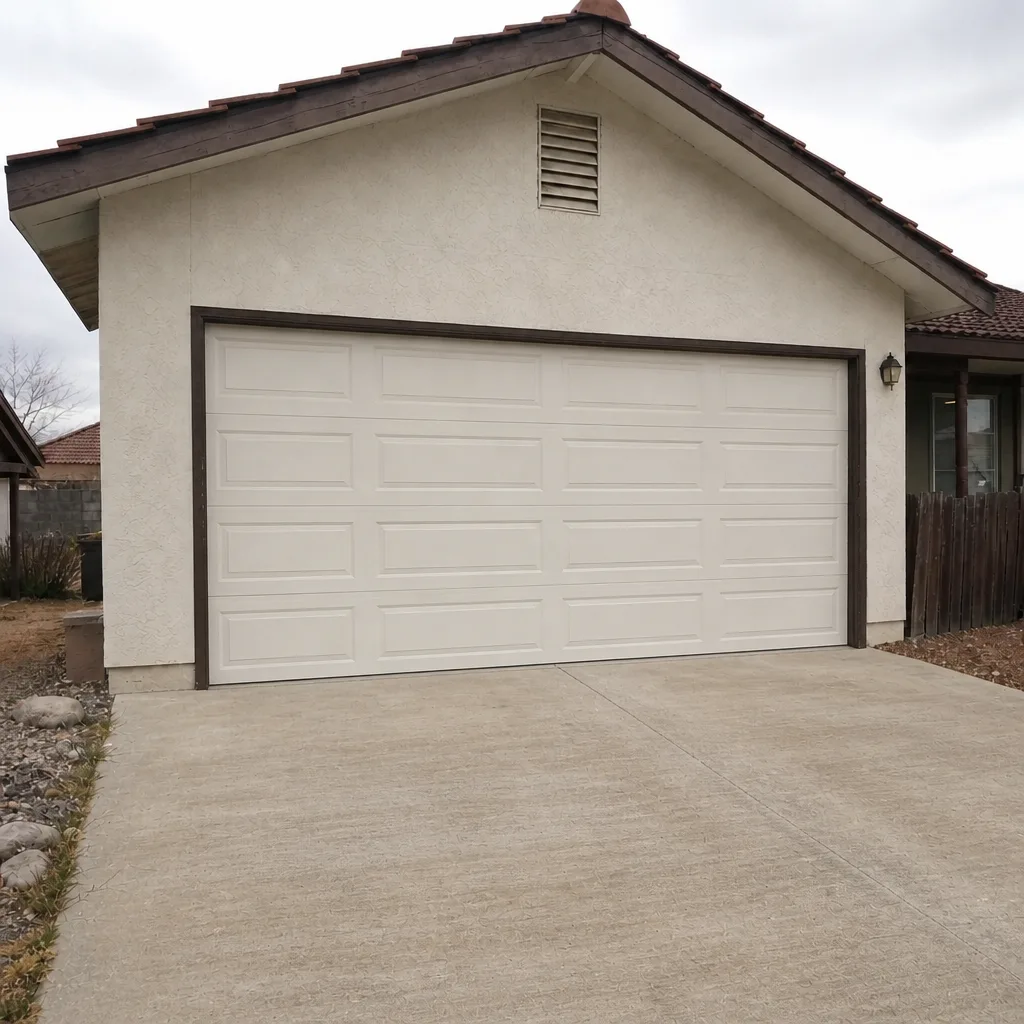 After
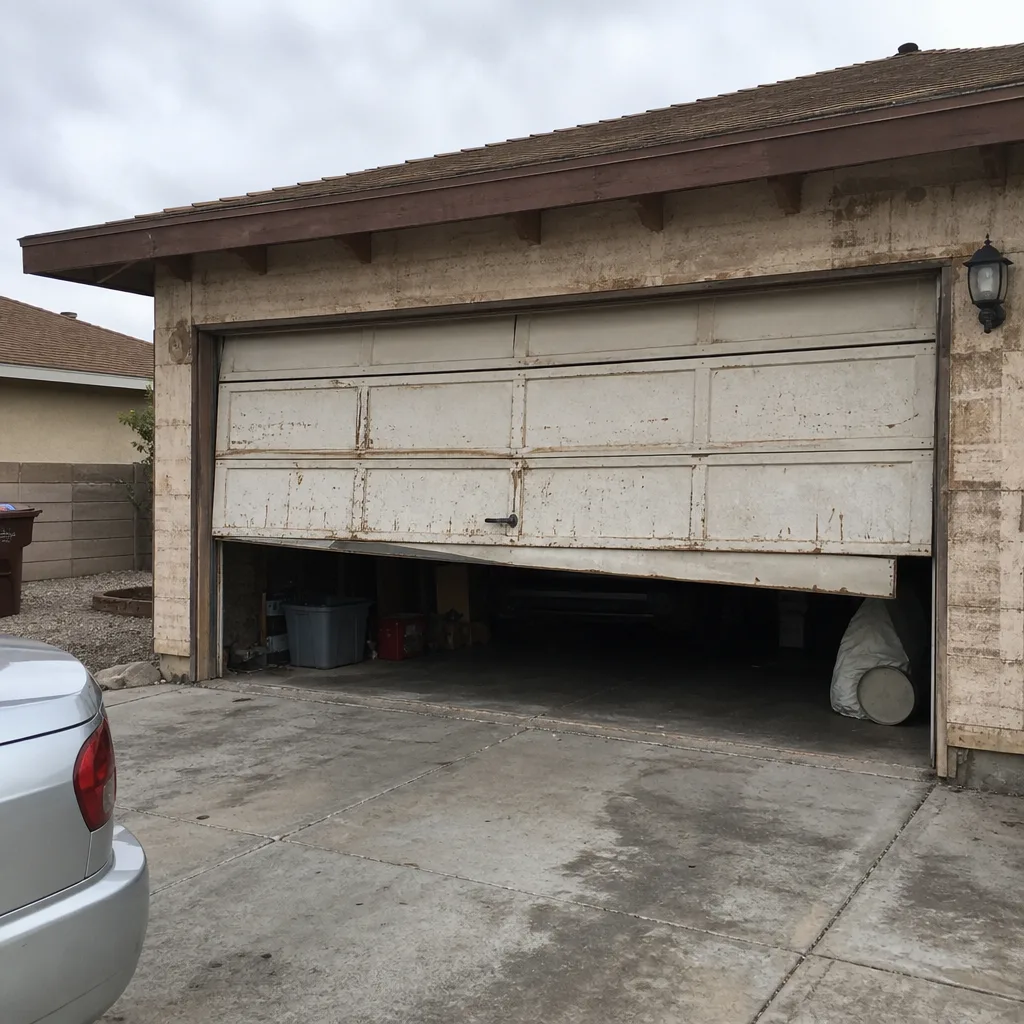 Before
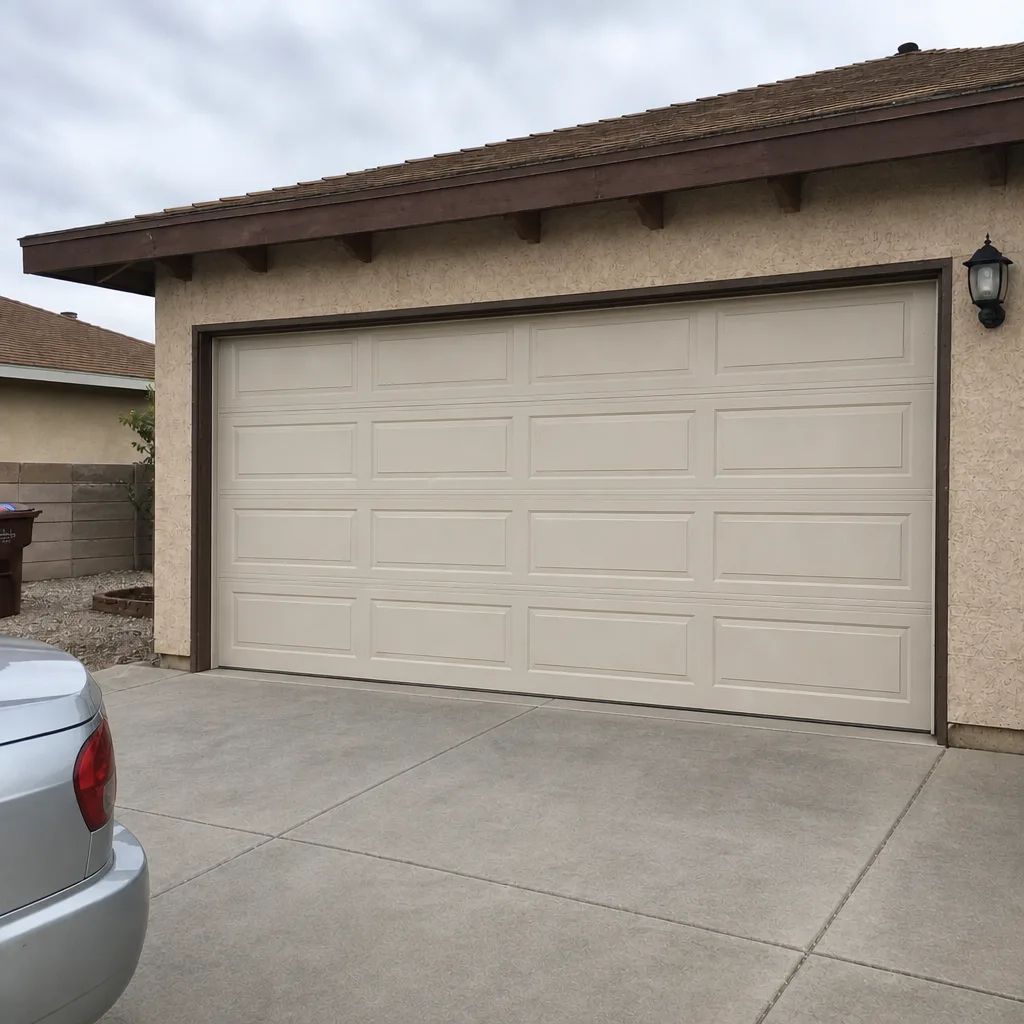 After
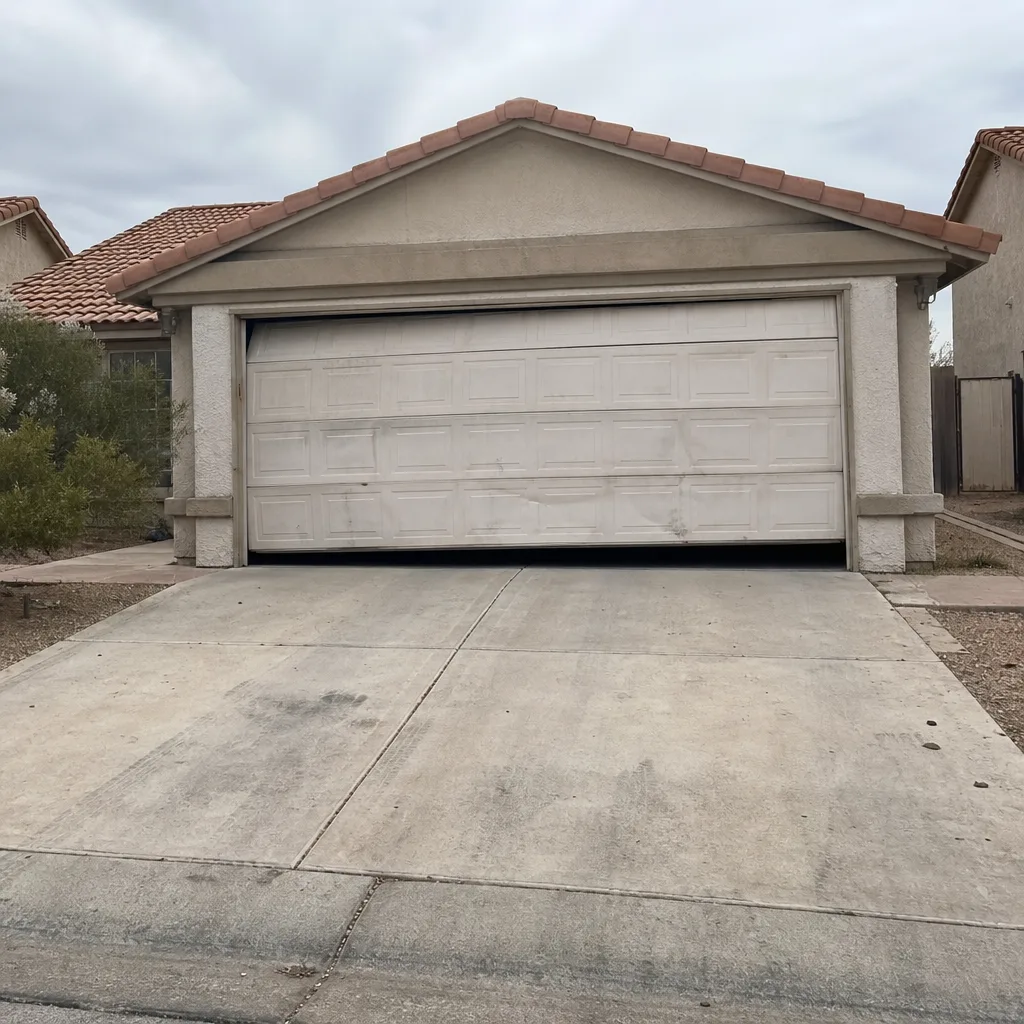 Before
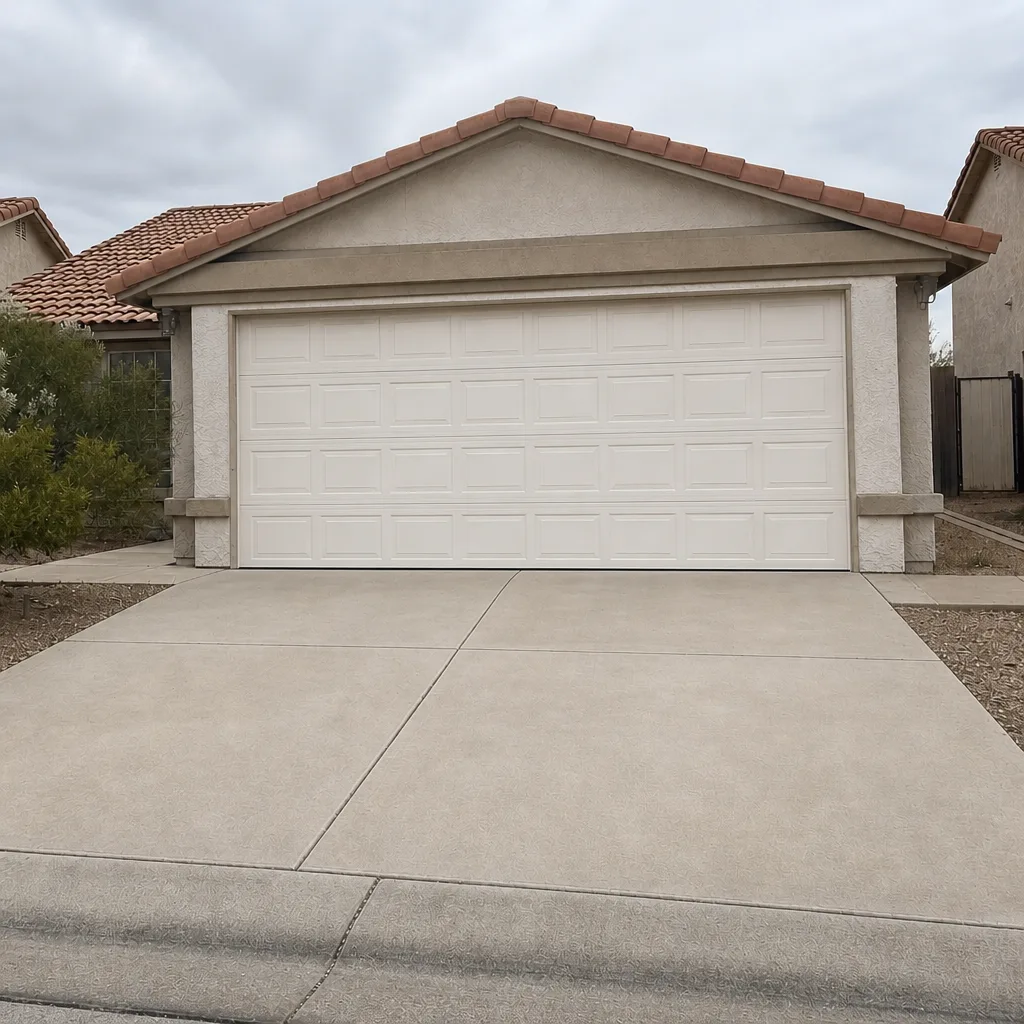 After
When to Call a Professional
Call a professional for anything involving the torsion spring, the cables, the track, or the opener’s internal components. These parts store dangerous energy or carry mains electricity. If the door won’t stay closed, drops hard, shows a frayed cable, or makes a metal-on-metal sound from above, stop using it and call today. If the warning is a slow grind or a squeal, schedule a visit at your convenience. Bramwell Garage Door Repair Boulder City offers free estimates in Boulder City – call (844) 560-4479. Every job starts with a written price before any work begins, every technician is background-checked and arrives in uniform within a stated arrival window, and every repair is backed by the 365-Day Done Right Promise. If a covered repair fails within a year, we come back and fix it at no charge. That commitment is in writing.
Frequently Asked Questions
A sharp pop followed by a heavy drop means the torsion spring has failed. Before that point, the clearest warning is a door that suddenly feels much heavier when lifted by hand – that means the spring has lost tension and replacement is close. Stop operating the door if either sign appears.
Grinding in the last few inches of closing is usually a limit switch adjustment and is not immediately dangerous. In Boulder City’s heat, though, it burns out the opener motor faster than in cooler climates. The fix is typically a small adjustment, and left alone it becomes an opener replacement. Call (844) 560-4479 for a free estimate.
Squealing usually means dry or worn rollers and hinges. Boulder City’s summer heat and dust dry out lubricant faster and deform nylon rollers sooner. A lubrication service quiets most cases; if the squeal returns within weeks, the rollers need replacing.
No. A heavy door means the torsion spring has lost tension and the opener is doing work the spring used to handle. Forcing the door overburdens the motor and can strip its drive gear. Book a spring inspection rather than risk an opener replacement. Call (844) 560-4479 for a free estimate.
No. We give you a written price before any work starts, and the number on the invoice matches the number you were quoted. If the fault turns out to be something different from what the symptoms suggested, we explain it first and quote it in writing before proceeding.
Yes. Every technician who visits your home is background-checked and arrives in uniform within a stated arrival window. Each Bramwell location is independently owned and operated and works to the same Kingswell standard. Our technicians have up to 25 years of experience. Call (844) 560-4479 for a free estimate.
The Bottom Line
Most garage door failures telegraph themselves: a grind in the last six inches, a slow response to the remote, a bit of rust under a hinge, a heavier lift. Boulder City’s heat accelerates three of these in particular – seal cracking, roller deformation, and opener capacitor failure – and stretches springs past their working life faster than cool climates. Watch the door once a month. Note the sound, the movement, the visual cues. If you see a pop, a frayed cable, or a door that suddenly feels heavy, stop operating it and call a professional. Anything else can wait for a scheduled visit with a written price before work begins. Bramwell Garage Door Repair Boulder City offers free estimates; call (844) 560-4479 and a live person answers, 24 hours a day, 7 days a week. New doors and replacement work are measured, ordered, and scheduled – our installation team will arrange a free measure and put the price in writing before any commitment. The Kingswell Guarantee covers the rest: written price, real arrival window, clean job site, guarantee in writing.
Written by the team at Bramwell Garage Door Repair Boulder City.