
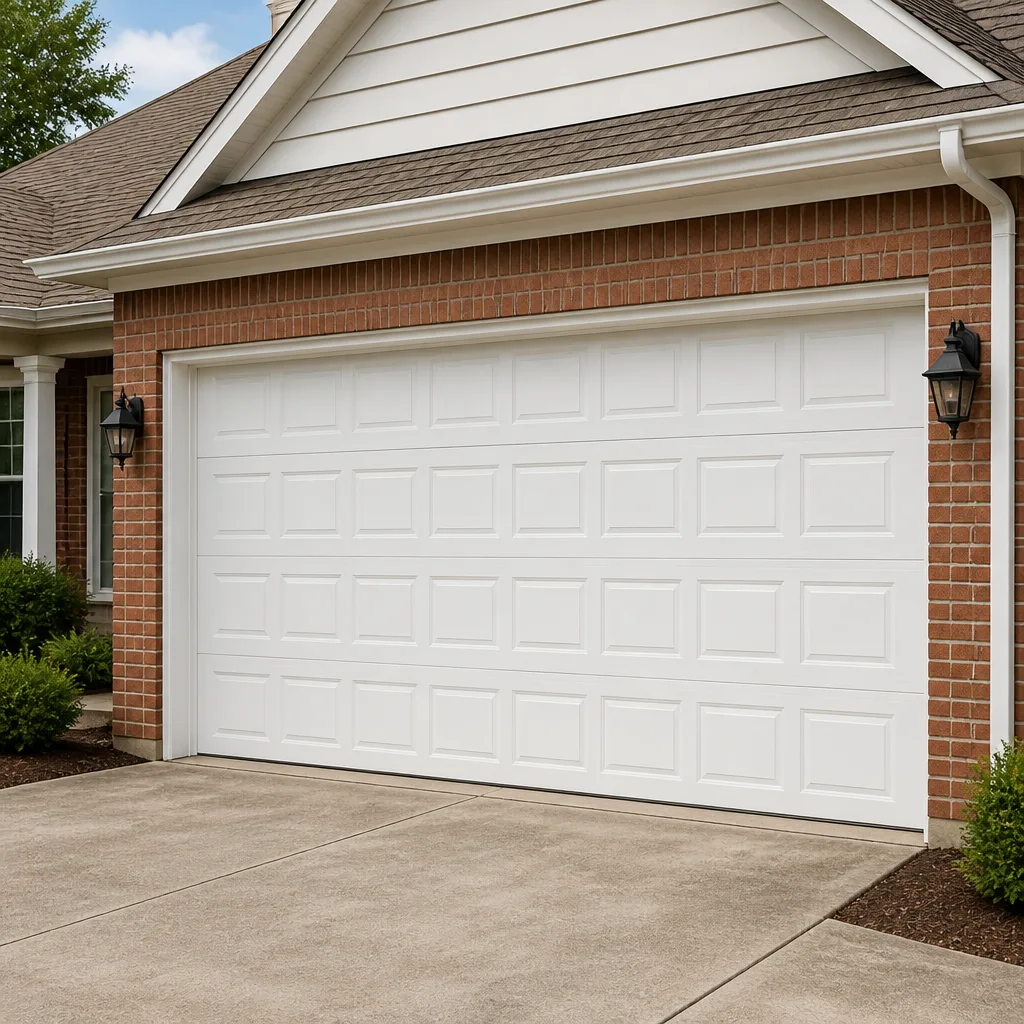
 Raised-panel steel
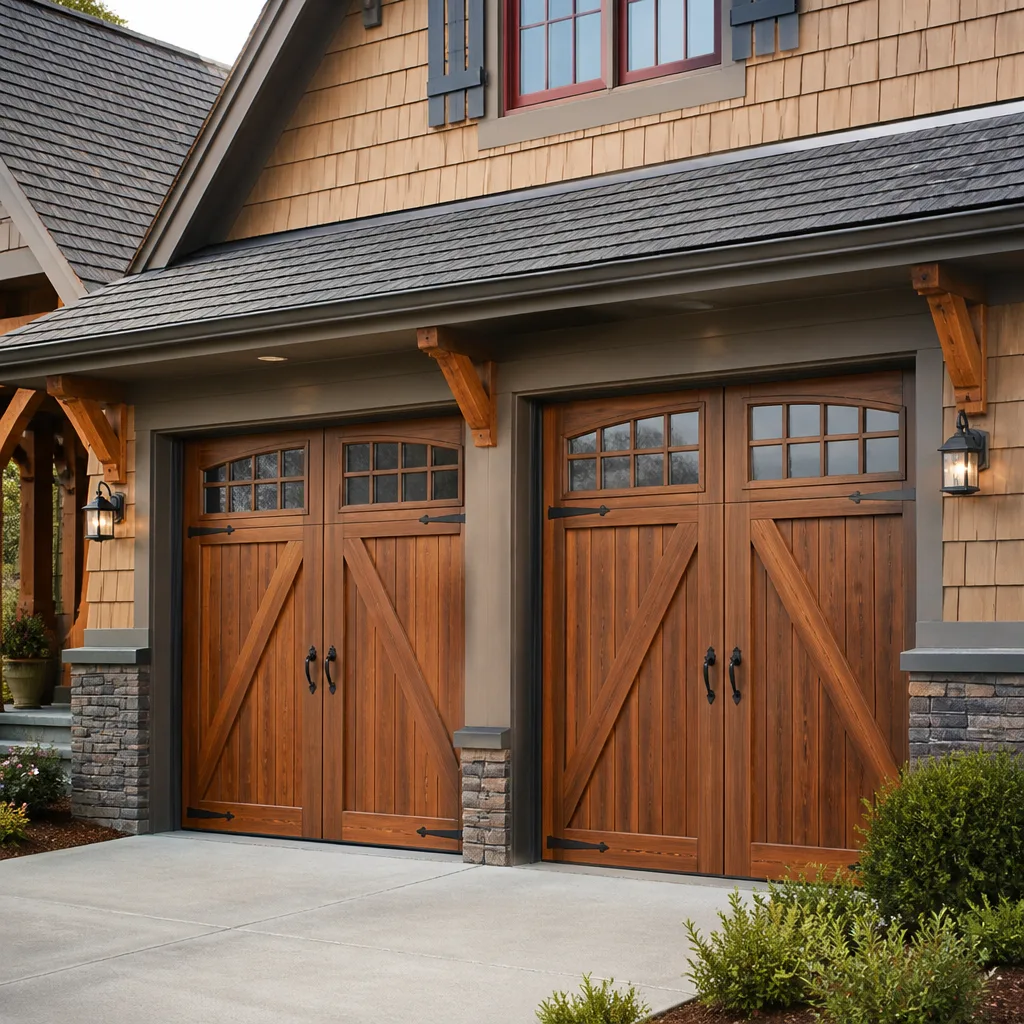 Carriage house
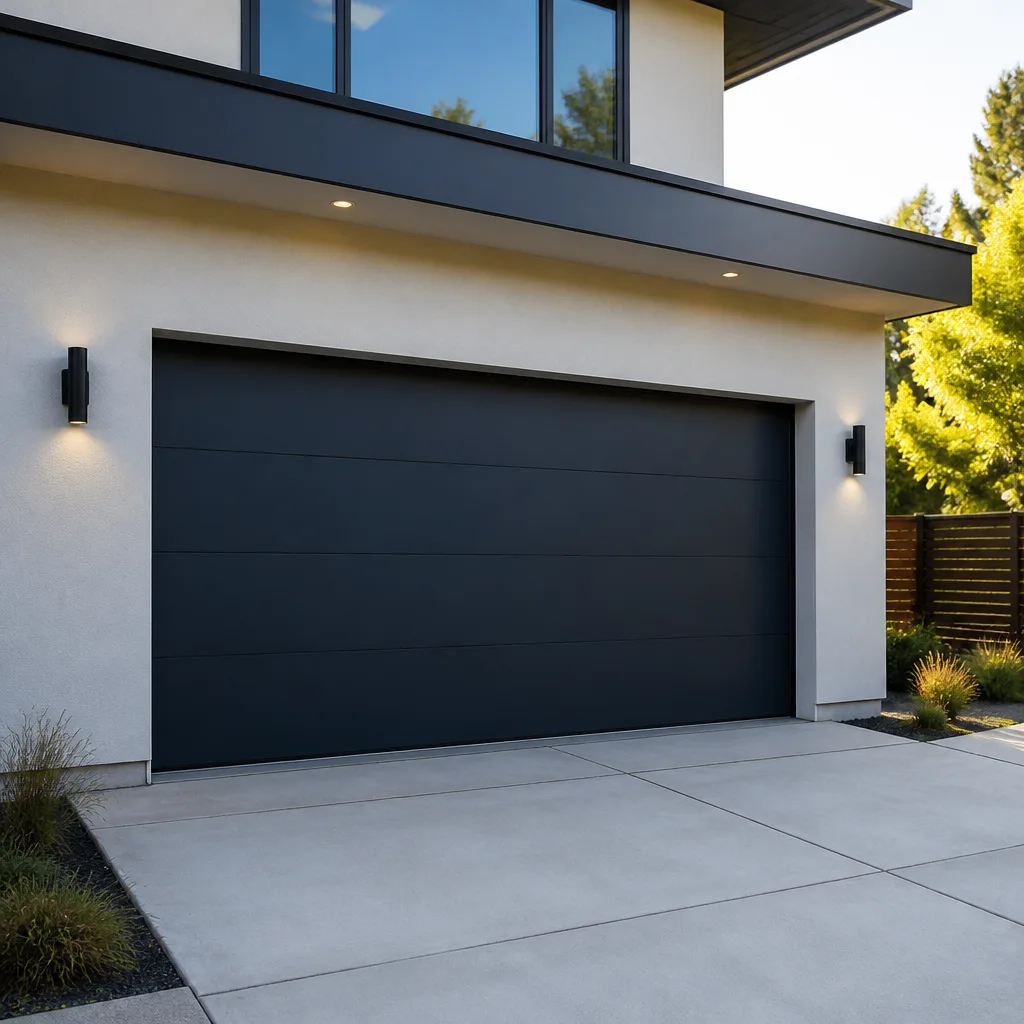 Modern flush
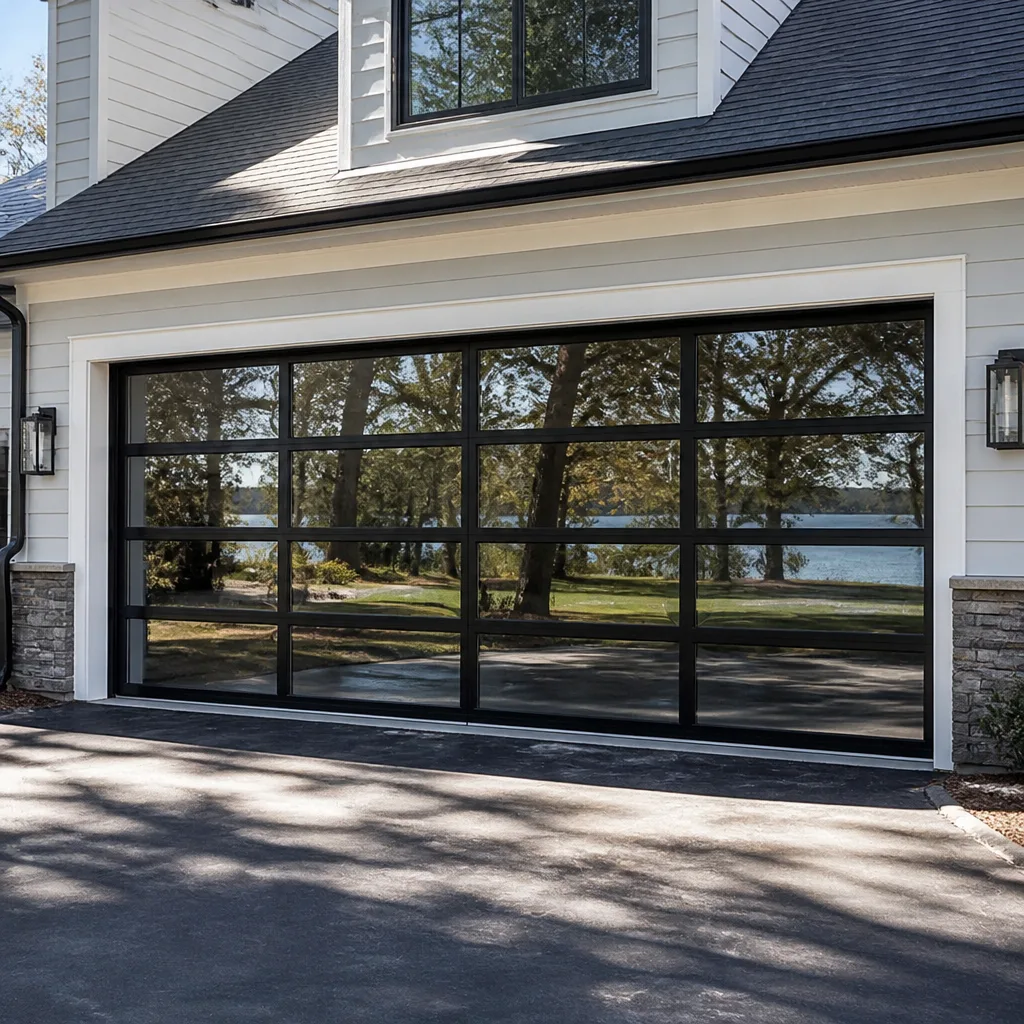 Full-view glass
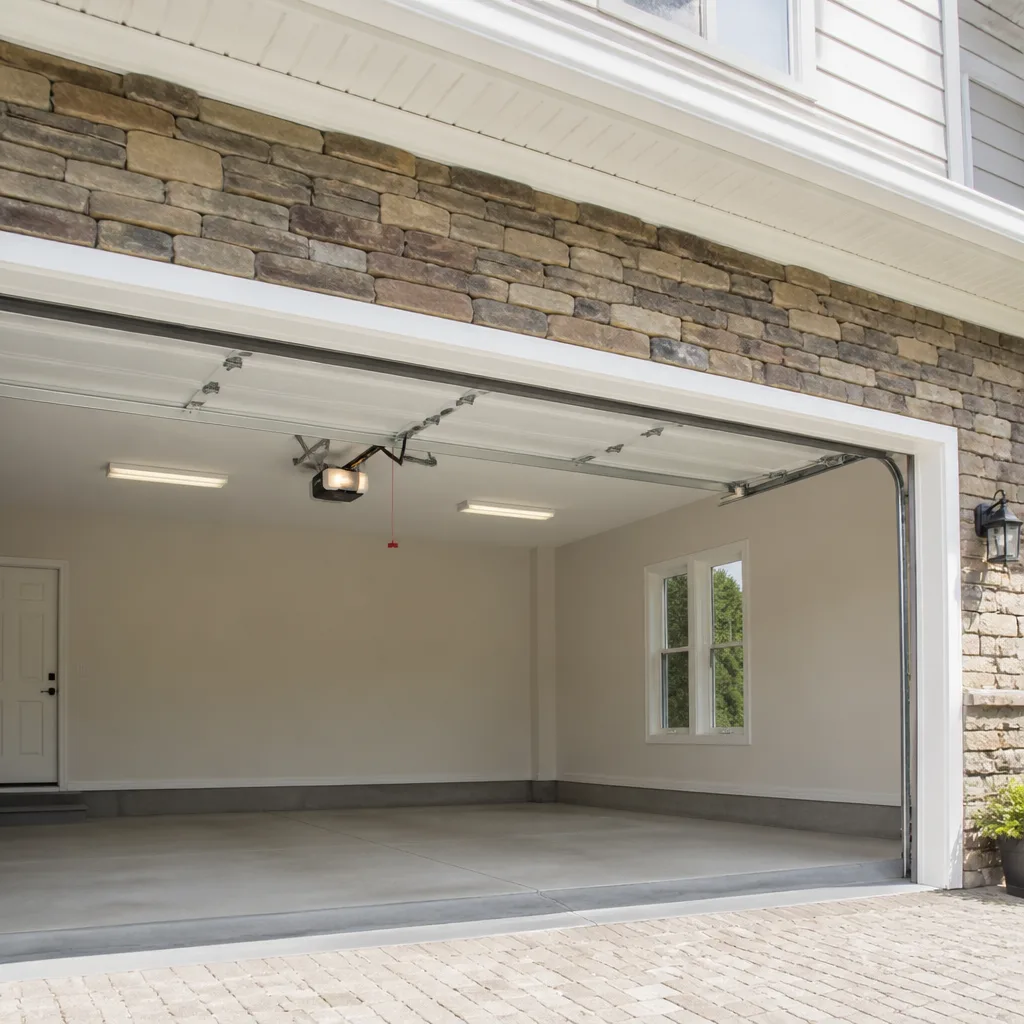 LiftMaster openers
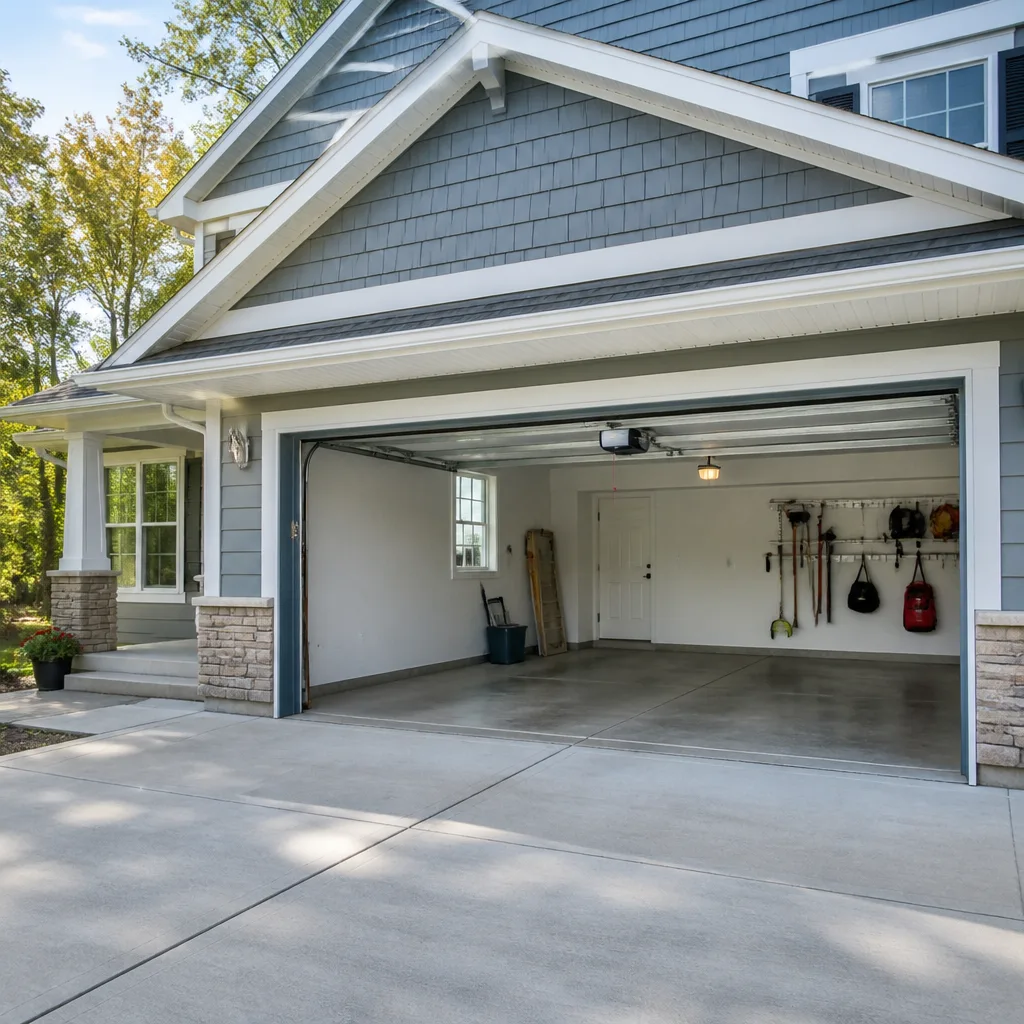 Chamberlain openers
Full 25-point door and opener safety check with every visit - springs, cables, rollers, tracks, and your LiftMaster or Chamberlain opener included
You get a price before we start. It does not change when the pro arrives.
Get your free estimateStyles & brands we work with
- Raised-panel steel
- Carriage house
- Modern flush
- Full-view glass
- LiftMaster openers
- Chamberlain openers
See the difference
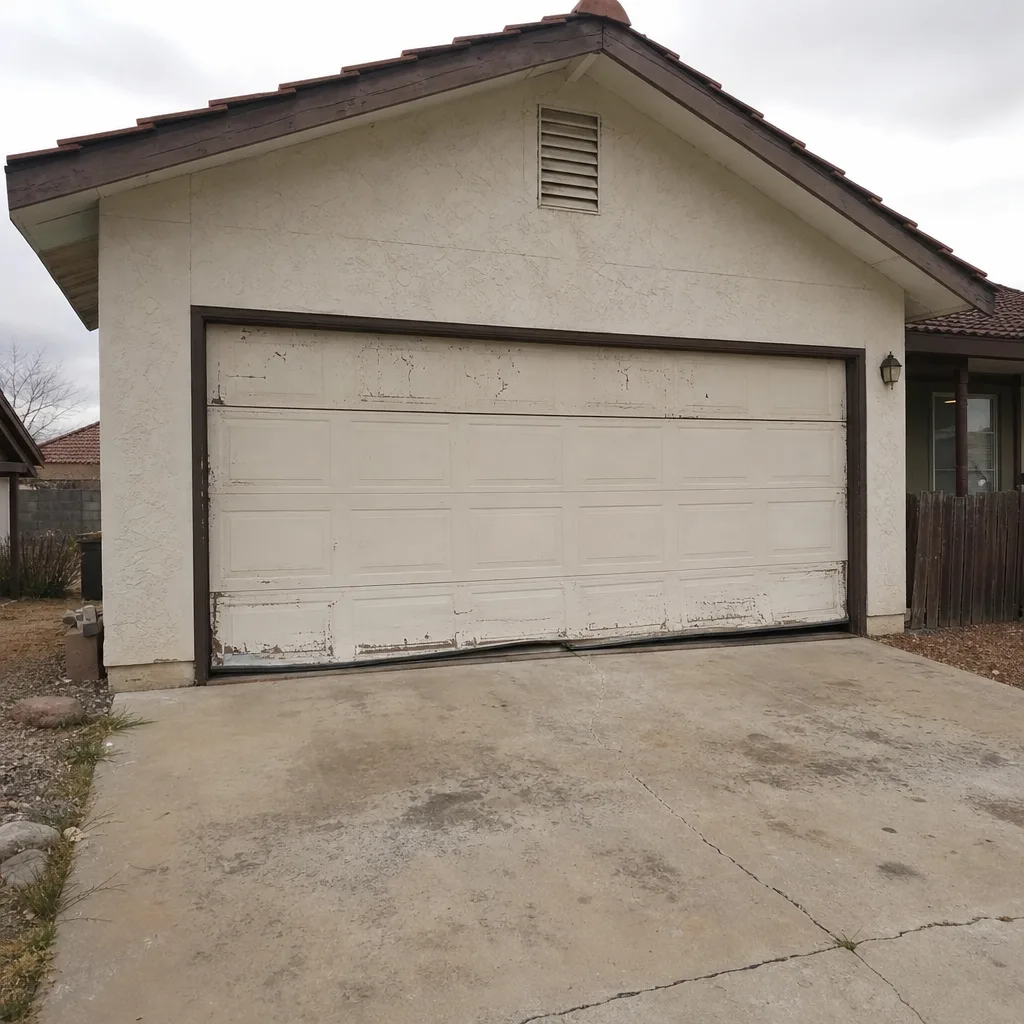 Before
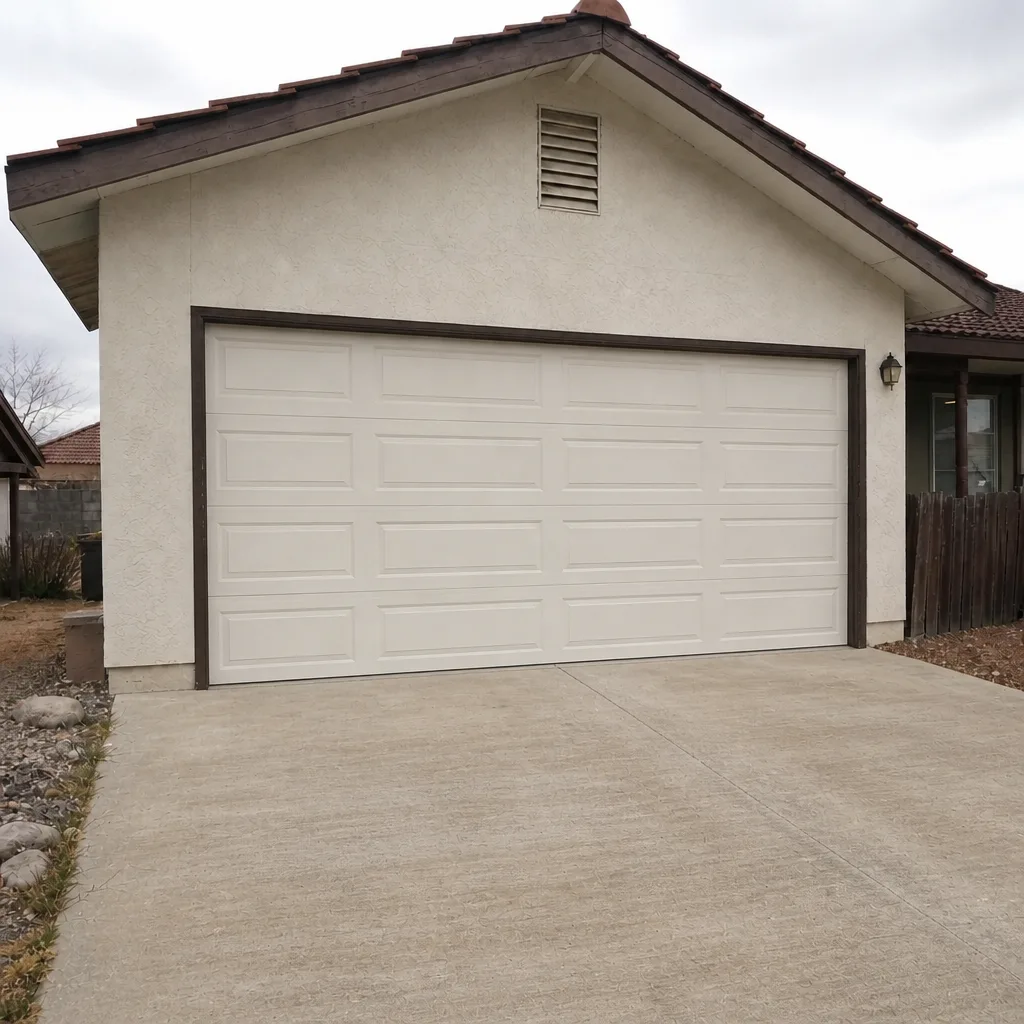 After
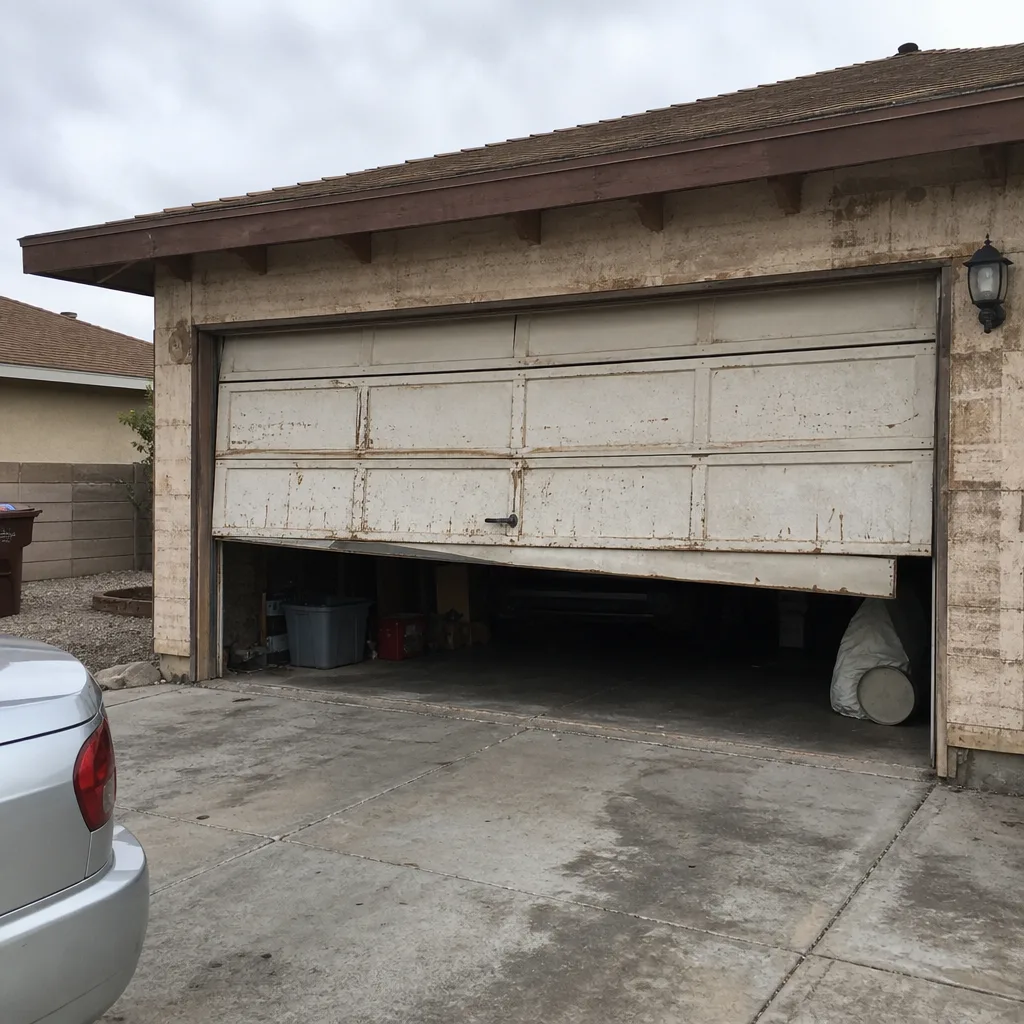 Before
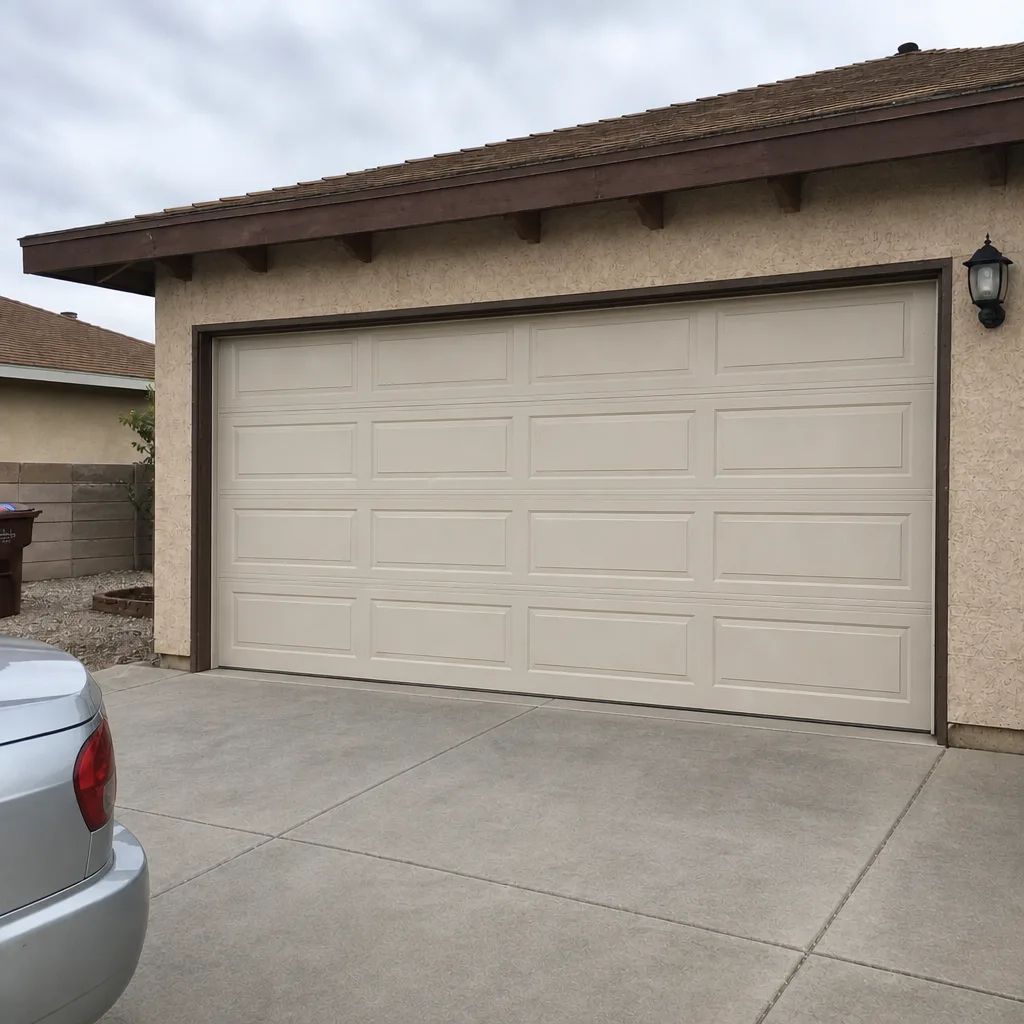 After
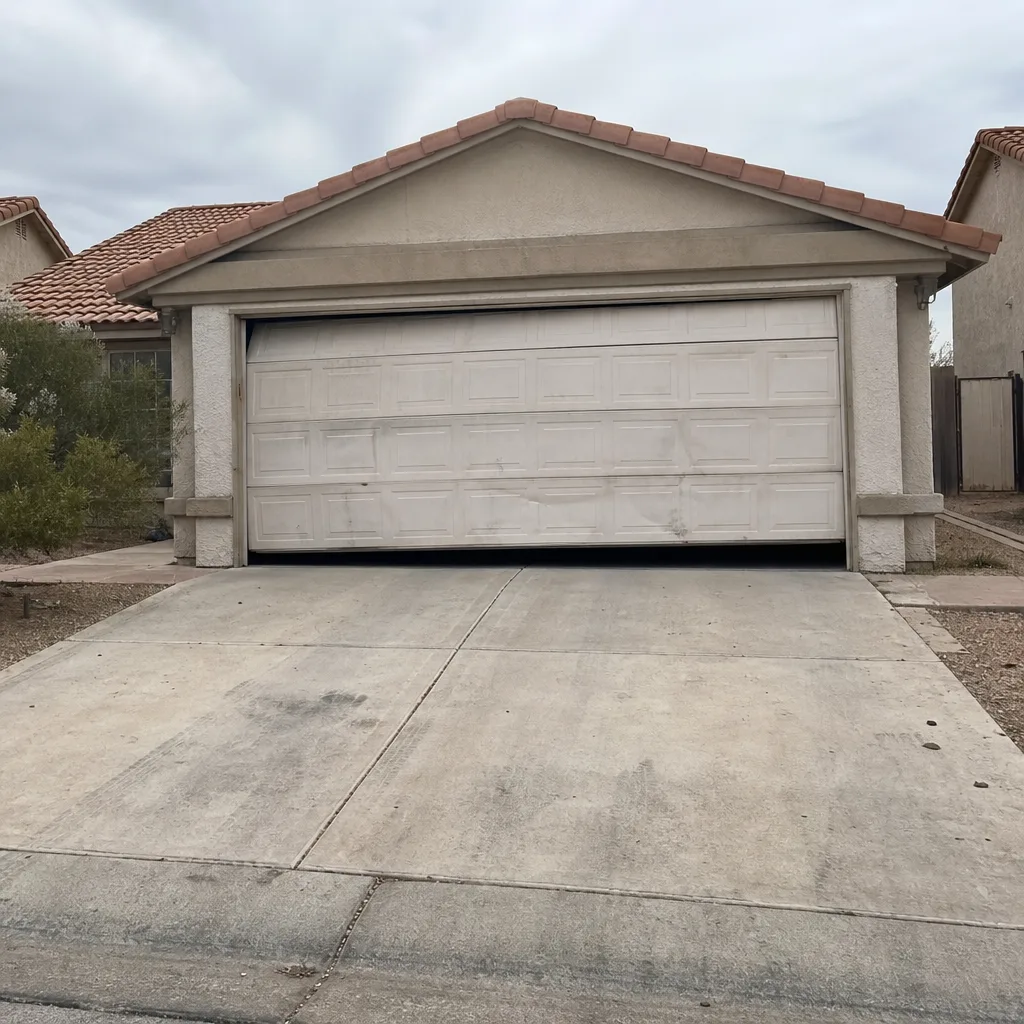 Before
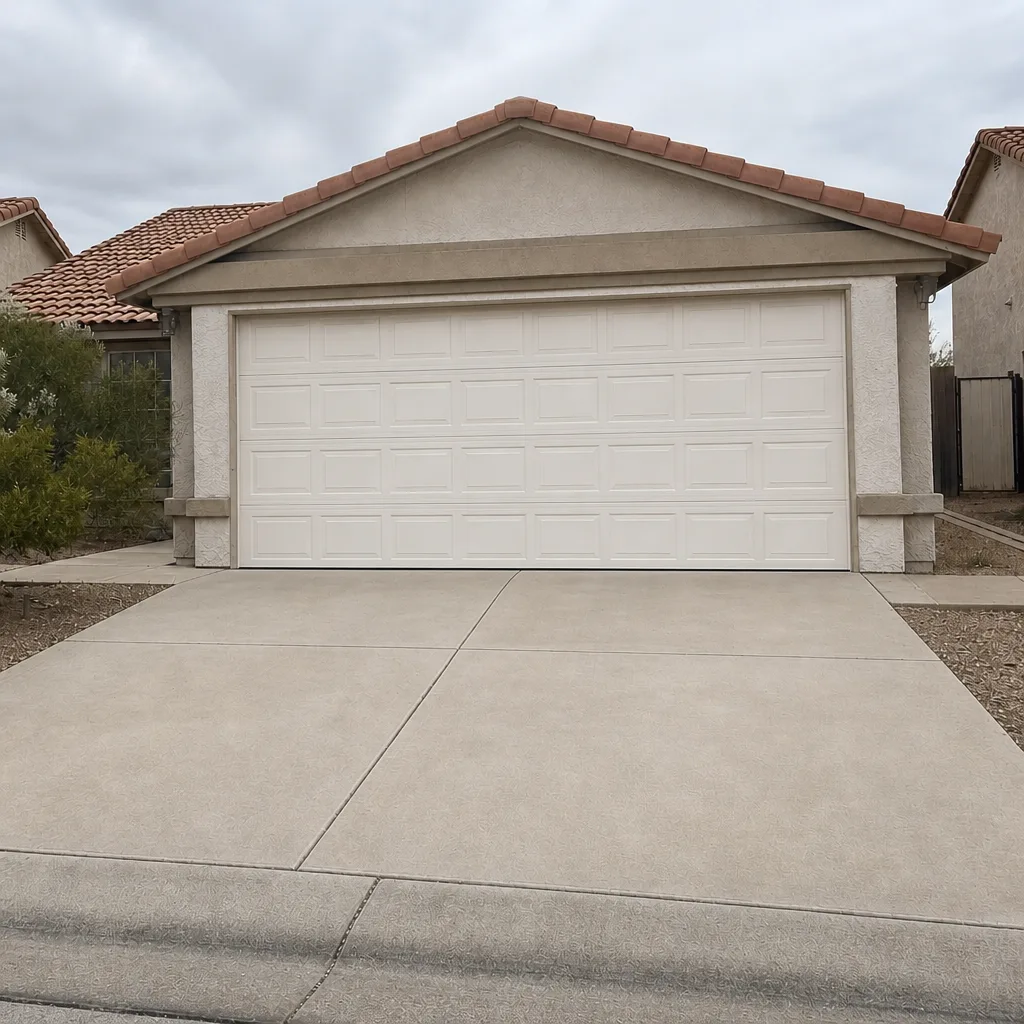 After
Garage Door Making a Grinding Noise in Boulder City? Clean First, Lubricate Second
If your garage door is grinding and you’ve already lubricated it, the lubricant may be making it worse. In Boulder City, fine alkali dust from the Lake Mead shoreline packs into roller bearings and track channels, and adding oil or spray on top of that grit creates an abrasive paste that speeds up wear instead of stopping the grind. The correct sequence is to clean the track and rollers first, then apply the right lubricant. Most grinding we’re called out for here traces back to one of three sources: gritty roller bearings, a scored track, or a binding torsion spring. Call Bramwell Garage Door Repair Boulder City at (844) 560-4479 for a free estimate and a written price before any work starts.
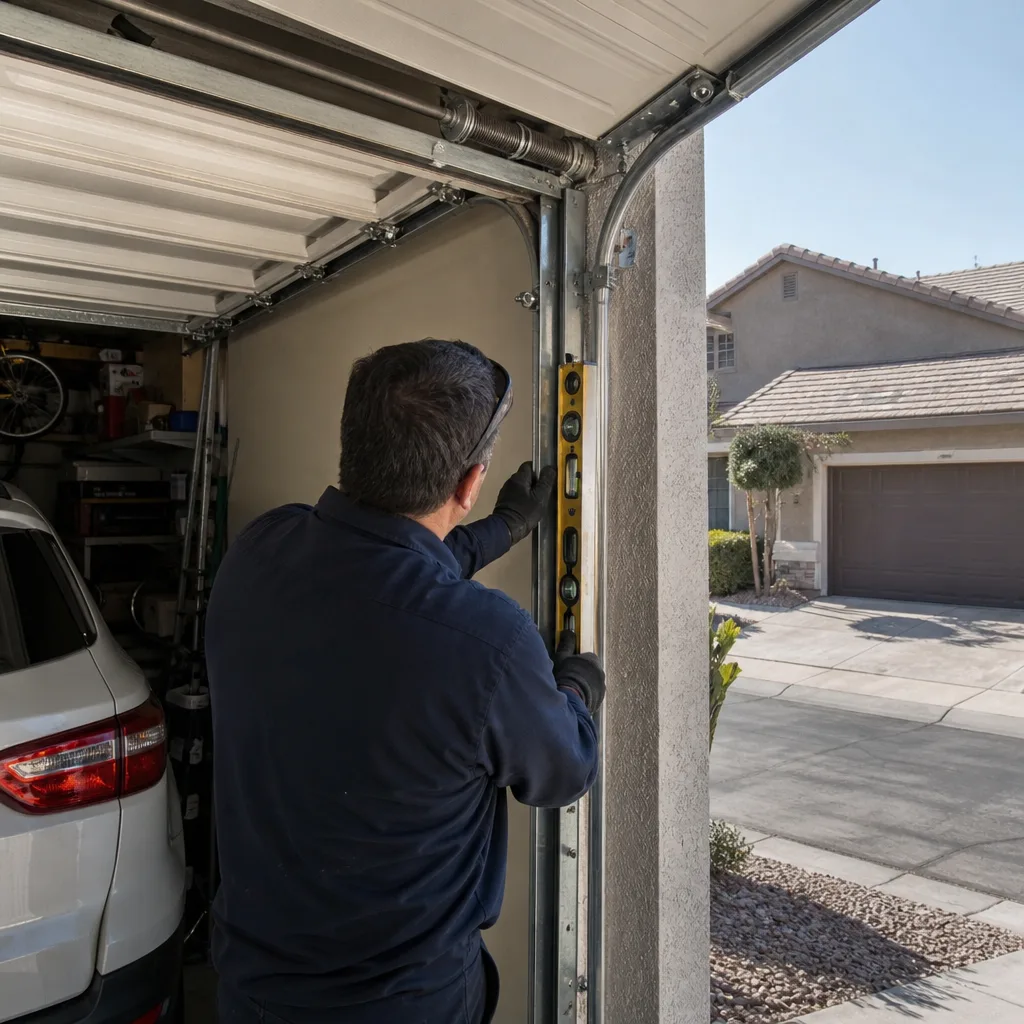
Boulder City’s conditions put extra stress on garage doors. Triple-digit summers and steady UV wear down steel and wood doors, and the windblown grit off the lakebed works its way into every moving part. In the Historic District, many homes sit behind the original 1930s garages built for the Boulder Dam construction crews – narrow, low-clearance spaces with wood or early steel doors and older hardware that needs careful attention rather than a standard swap-out. That combination of heat and dust is why a grind that starts small in spring can turn into a real problem by July.
What’s Actually Causing the Grind? Match the Sound to the Source
Before you buy another can of lubricant, figure out which part is talking. The sound travels differently depending on what’s failing, so listen while someone else runs the door from the wall switch.
| Sound you hear | Most likely source | Typical repair range |
|---|---|---|
| Continuous grinding that tracks with the door’s position, louder as it moves | Roller bearing packed with grit or worn flat | $110-$220 (roller replacement) |
| Steady scraping along one section of travel, sometimes a visible shiny groove | Scored or bent track, metal-on-metal contact | $120-$240 (track realignment) |
| Sharp metallic knock or clunk at the top of travel, just before fully open | Torsion spring coil binding | $180-$340 (spring repair) |
Here’s the plain-language version. The roller bearing is the small wheel that rides in the track – when dust gets inside it, the wheel grinds instead of rolling. The track is the metal channel the rollers travel in – if it’s bent or scored, the roller scrapes it every trip. The torsion spring is the heavy coil mounted above the door that handles most of the lifting weight – when its coils bind, you get that rhythmic knock at the top. Roller grinding follows the door; spring noise announces itself at the end of the travel. That distinction is the fastest way to know what you’re dealing with.
Why the Standard “Just Lubricate It” Advice Fails in Boulder City
Most generic advice assumes a temperate, damp climate. Boulder City isn’t that. The desert here throws two things at your door that break the usual rules: grit and heat.
Start with the grit. Fine dust from the Lake Mead shoreline works into the track channel and the roller bearings. If you spray lubricant straight onto a dust-packed roller, you’ve just made a grinding compound – the grit stays put and now it’s suspended in oil, working against the metal on every cycle. The fix is sequence, not product:
- Clear the track channel with a dry rag or compressed air, working from top to bottom. Pull out the packed dust before anything else.
- Wipe each roller clean, especially where it meets the track. Don’t skip the hinges and the bottom bracket.
- Apply a dry silicone or lithium-based lubricant – not WD-40. WD-40 is a solvent, not a lubricant; it displaces the protective film and then attracts more dust back into the same spot.
Then there’s the heat. In triple-digit summer temperatures, lubricant films break down faster, nylon rollers soften slightly and can develop flat spots, and the metal track expands, which reduces clearance between the roller and the channel. All three amplify a grind that would be barely noticeable in a cooler climate. This is why a noise that seems minor in May can become a real problem by August – and why the clean-then-lubricate routine matters more here than the generic advice ever acknowledges.
If you’d rather not climb a ladder in the heat, a professional Garage Door Repair visit covers the inspection and the fix in one trip. Authorization to service all major brands – Chamberlain, Genie, Clopay, Amarr, LiftMaster, Wayne Dalton, Craftsman, and Raynor – means the right part is on hand for most makes and models.
When Grinding Means “Replace,” Not “Relubricate”
Here’s the tell: if the grind comes back within a few days of a clean-and-lubricate, the component is worn, not dry. A roller with a flattened nylon surface or a bearing with a loose cage won’t be saved by more oil – the shape is gone. A track with a deep score line will keep scraping no matter how slick you make it. A torsion spring with binding coils is telling you it’s near the end of its service life.
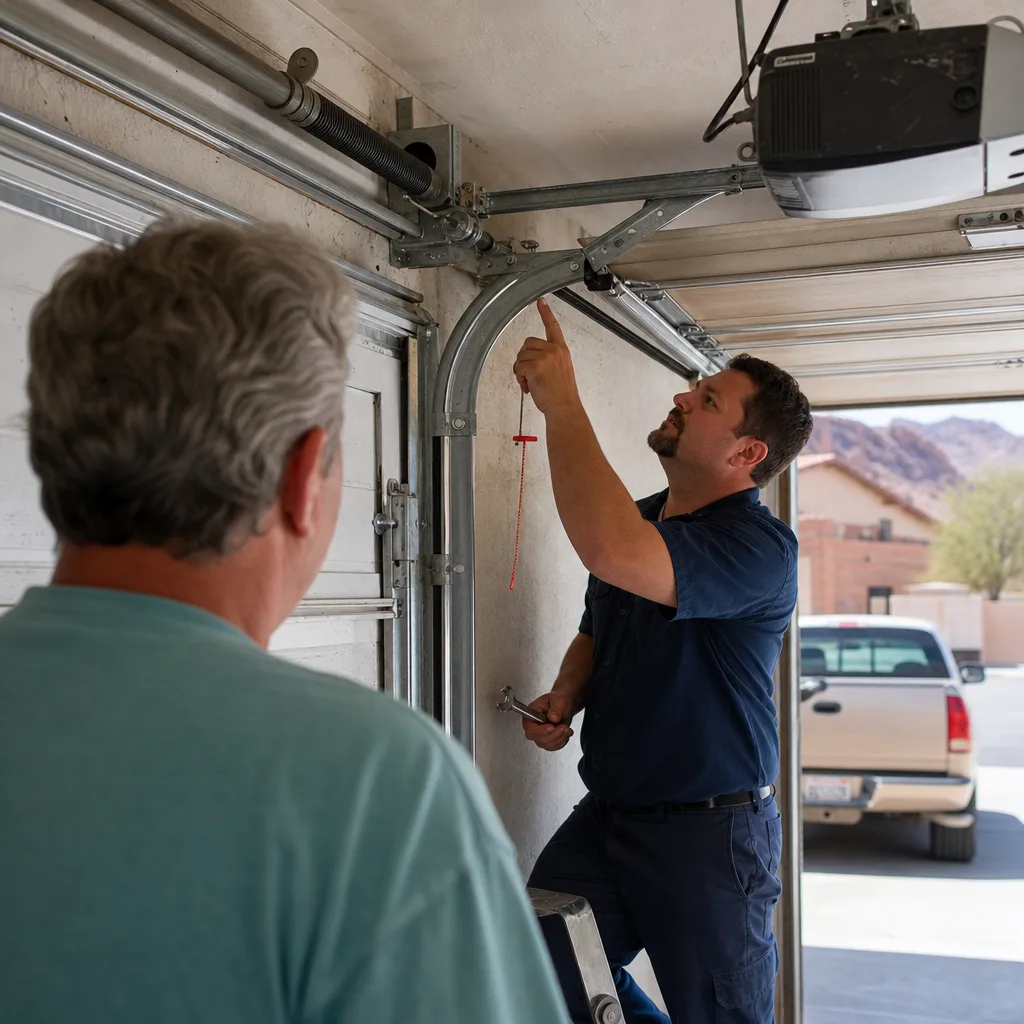
That last one deserves a safety note. Torsion springs are under extreme tension – the kind that can cause serious injury when they fail or are handled wrong. If your grinding points to the spring, don’t try to adjust or remove it yourself. This is a job for a trained technician with the right tools and the right winding bars. The same goes for cables, which are also under heavy load.
When a Bramwell technician inspects a grinding door, the inspection is documented in writing before any parts are ordered – which roller, which track section, or which spring is the source, and what the repair will cost. You get a written price before work begins, so the number on the invoice matches the number you were quoted. Our technicians have up to 25 years of experience, arrive in uniform within a stated arrival window, and leave the job site clean. Every repair is backed by the 365-Day Done Right Promise – if a covered repair fails within the guarantee period, we come back and fix it at no charge, and that commitment is in writing.
For homeowners in the Historic District working on a narrower, older garage, the diagnosis matters even more than the parts. A standard 16-foot door won’t fit the original 1930s openings, and the hardware needs to match what’s there. Careful inspection up front keeps a small grinding fix from turning into a bigger project. If you’re weighing options across the area, our Garage Door Repair in Boulder City page covers the full range of what we handle, and you can start from our home page to find the service closest to you.
Repair cost ranges for grinding and related issues in Boulder City
- Roller replacement: $110-$220
- Track realignment: $120-$240
- Spring repair: $180-$340
- Cable repair: $130-$250
- Opener repair: $120-$320
- Panel replacement: $250-$500
- Full garage door repair (lead range): $150-$600
Most grinding fixes fall in that $150-$600 band. A single worn roller is at the low end; a spring replacement plus a track correction lands higher. You’ll know which one you’re facing after the inspection, not before.
FAQs
Summer heat speeds lubricant breakdown, softens nylon rollers so they develop flat spots, and expands metal tracks to reduce clearance – all of which make grinding louder. Triple-digit temperatures hit hardest from June through August. If the noise ramps up with the heat, cleaning the track and switching to a dry silicone or lithium lubricant is the first step; if it doesn’t quiet down, call (844) 560-4479 for a free estimate so we can pinpoint the worn part.
No – WD-40 is a solvent, not a lubricant, and it displaces the protective film while attracting more dust into the same spot. On a dust-packed roller or track, it can make the grind worse. Use a dry silicone or lithium-based lubricant after you’ve cleaned the grit out, not instead of cleaning. And if you’ve already tried lubricant and the noise is still there, call (844) 560-4479 – a returns-within-days grind usually means a part needs replacing.
Roller grinding is continuous and travels with the door’s movement, track scraping runs steadily along one section, and a binding torsion spring makes a sharp metallic knock at the top of travel near fully open. Match the sound to the table above. If it points to the spring, leave it alone – those coils are under extreme tension and need a trained technician. Call (844) 560-4479 for an inspection, and we’ll document the source in writing before any parts are ordered.
Most grinding repairs in Boulder City run $150-$600 depending on the source – roller replacement is $110-$220, track realignment is $120-$240, and spring repair is $180-$340. You get a written price before any work begins, so the number you hear is the number you pay. Call (844) 560-4479 for a free estimate and a real arrival window.
If you’d rather have it looked at, Bramwell Garage Door Repair Boulder City offers a no-pressure assessment in Boulder City – call (844) 560-4479. A live person answers 24/7, and you’ll get a written price, a uniformed, background-checked technician, and the 365-Day Done Right Promise on every repair.
Written by the team at Bramwell Garage Door Repair Boulder City, serving Boulder City, NV.