
Last updated November 18, 2026
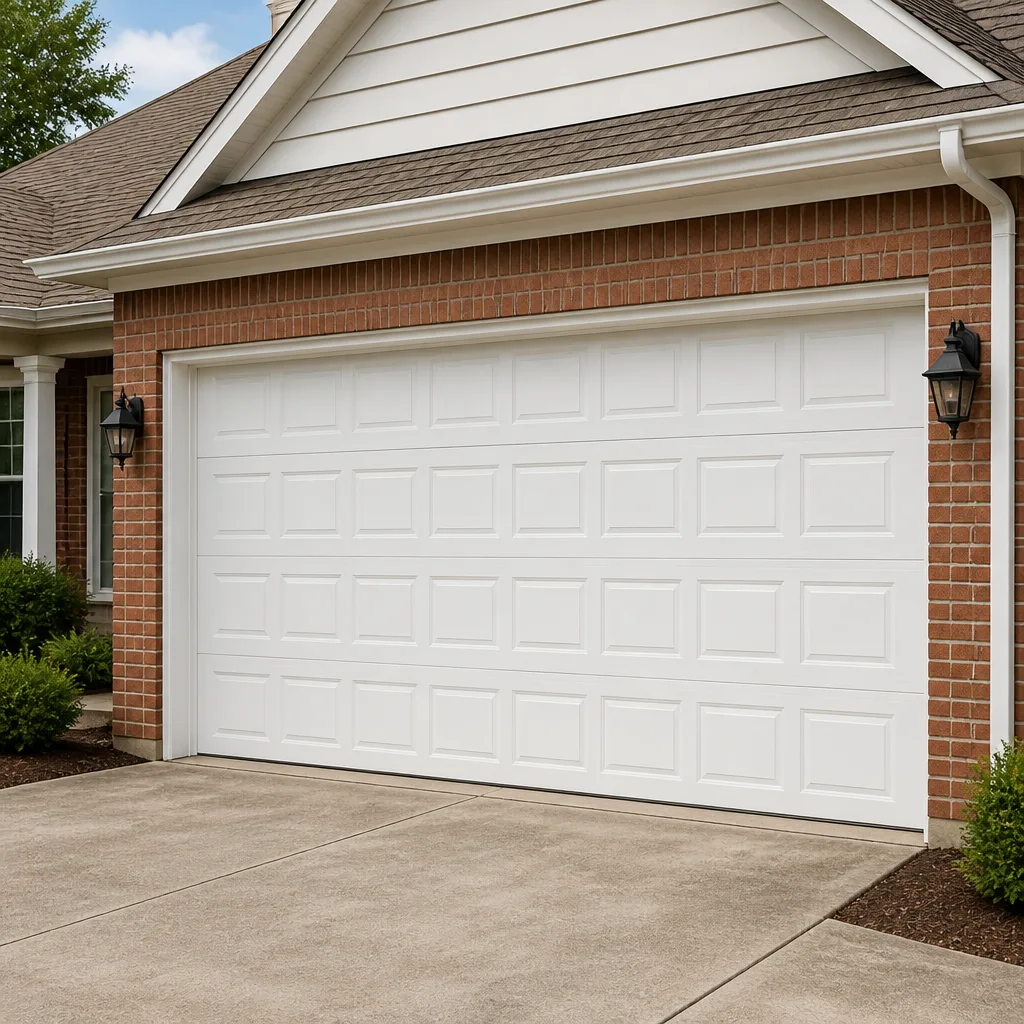 Raised-panel steel
 Carriage house
 Modern flush
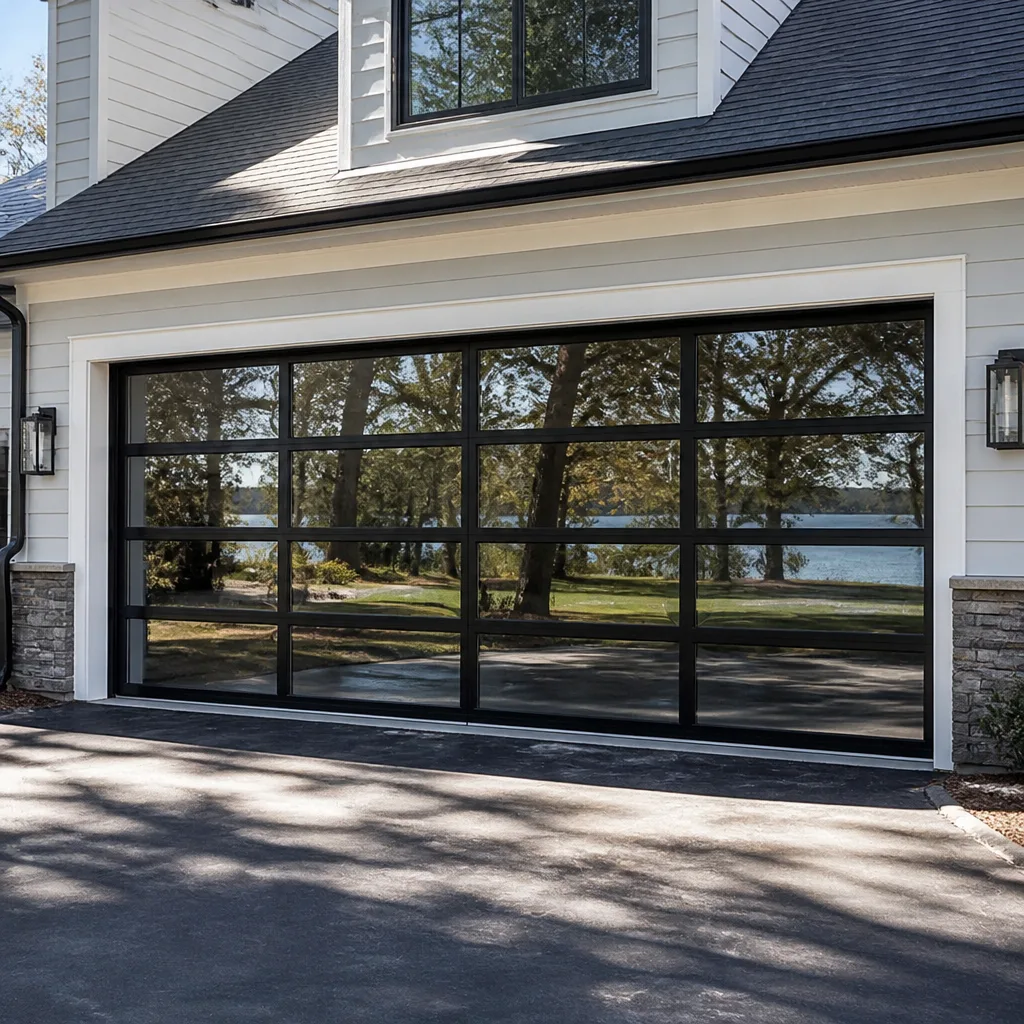 Full-view glass
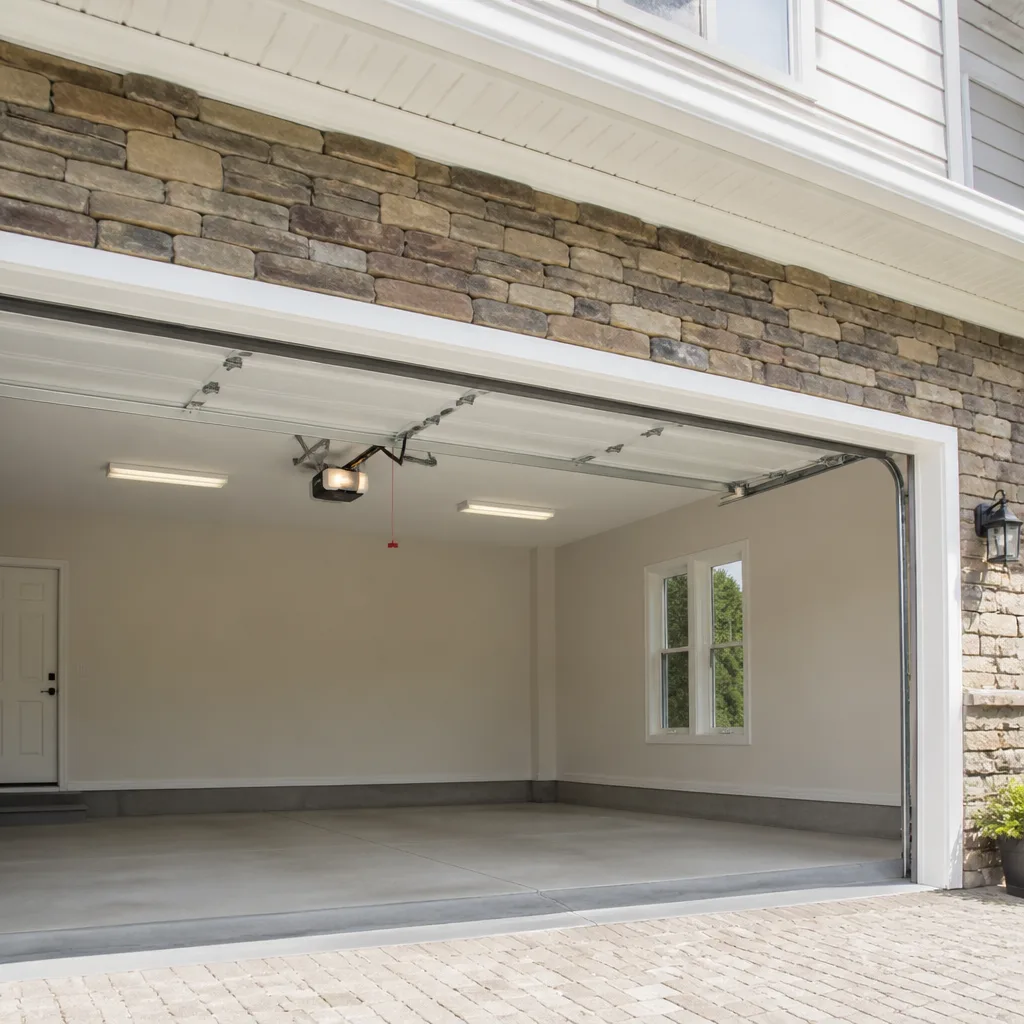 LiftMaster openers
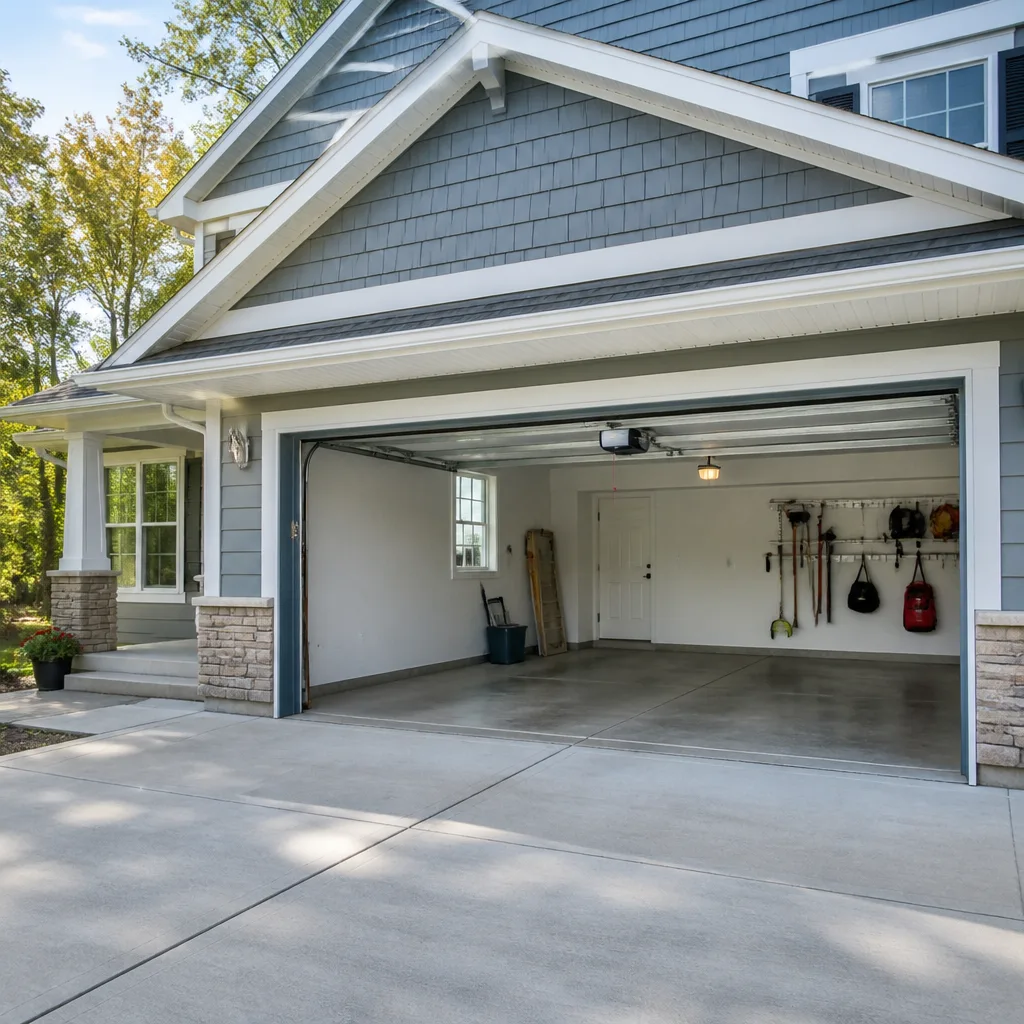 Chamberlain openers
Full 25-point door and opener safety check with every visit - springs, cables, rollers, tracks, and your LiftMaster or Chamberlain opener included
You get a price before we start. It does not change when the pro arrives.
Get your free estimateGarage Door Emergency Preparedness Guide for Boulder City Homes
During the summer 2020 heat emergency across the Las Vegas valley, thousands of garage door openers quit at once. The cause wasn’t the motors. It was heat-expanded steel tracks pinching the rollers tight, and thousands of homeowners discovered in the same hour that they had never practiced the manual release on their own door. Boulder City sits on the Nevada side of that same heat corridor, next to Hoover Dam and Lake Mead, in an emergency management zone where grid interruptions and heat events are real planning items. This guide covers the failures most likely to happen during an actual emergency, how to release every common opener before the power goes out, and what to do when a spring lets go and the door is stuck closed.
Quick Answer
The single most important thing a Boulder City homeowner can do is practice the manual release on their garage door before an emergency, not during one. Pull the red release cord straight down once with the door fully closed, lift the door by hand to confirm it moves freely, then re-engage the trolley. If the door is heavy, binds, or slams down, the springs are failing and the door is not safe to operate by hand until a technician inspects it. Keep a laminated emergency card in the garage with the release steps, the breaker location, and a phone number to call.
Styles & brands we work with
- Raised-panel steel
- Carriage house
- Modern flush
- Full-view glass
- LiftMaster openers
- Chamberlain openers
Table of Contents
- Why Boulder City Homes Face a Different Emergency Profile
- How to Release Your Garage Door by Hand (Every Opener Type)
- What 115°F Heat Does to a Garage Door During a Power Outage
- Hoover Dam, the Grid, and Evacuation Scenarios
- When a Torsion Spring Fails and the Door Is Stuck Closed
- What to Check Before Restoring Automated Operation
- Your One-Page Emergency Reference Card
- The 20-Minute Seasonal Check for Boulder City Doors
Why Boulder City Homes Face a Different Emergency Profile
Boulder City is a small town with an unusual set of neighbors. The Hoover Dam sits a few miles east, Lake Mead runs along the north and east edges, and the whole community lives inside a federal emergency planning footprint that most suburbs never think about. Power for the region flows through infrastructure tied to the dam, and grid interruptions that start well outside town can reach Boulder City garages within minutes.
The climate adds a second layer. Summer highs regularly pass 110°F, and a closed garage with no ventilation can run 15 to 25 degrees hotter than the outside air. That heat does measurable things to a door system: steel tracks expand, torsion springs lose tension (they’re rated for a temperature range, and the top of that range gets tested every July), and opener logic boards can overheat and shut down. In our experience, the last week of June through mid-August is when Boulder City callers describe doors that “worked fine yesterday.”
There’s a third factor most guides skip: the housing stock. Many Boulder City homes near the historic district were built between the 1930s and 1970s, and a good number still run original single-car wood doors on older openers, often a Craftsman chain drive installed decades ago. Those doors were never designed with the safety reverse and photo-eye systems that modern openers require, which changes what you can safely do during a power failure. If your door predates the mid-1990s, the manual release procedure and the spring inspection matter more, not less.
If you’re not sure what you’re working with, a service visit through Garage Door Repair in Boulder City can identify the opener model, spring type, and door weight in about ten minutes, and that information belongs on your emergency card.
How to Release Your Garage Door by Hand (Every Opener Type)
Every residential opener sold in the last 40 years has a manual release, and the mechanism is almost always a red cord or handle hanging from the trolley, the sliding carriage that connects the opener arm to the door. The procedure takes about 15 seconds once you’ve done it once. Practicing it is the entire point of this section. Do it on a calm Saturday, not during an evacuation.
Before you start: stand clear of the door’s travel path, and never stand under the door while testing. Springs are under extreme tension and are not a DIY component. The steps below move the door by hand only.
- Confirm the door is fully closed. Releasing a door that’s partway up can let it drop.
- Locate the release. It hangs from the trolley near the opener rail. On most LiftMaster, Chamberlain, Genie, and Craftsman openers, it’s a red T-handle on a short cord.
- Pull straight down once. A firm single pull disengages the trolley. You’ll hear a click. Don’t yank repeatedly.
- Lift the door by hand. A properly balanced door should rise with moderate effort and stay put when you let go about halfway up. If it’s heavy, binds, or drops, stop and call a technician.
- Lower it slowly. Keep your hand on the door and let it travel down at a controlled pace.
- Re-engage the trolley. With the door fully closed, pull the release cord toward the opener housing until it clicks back into the carriage, or run the opener once so the trolley re-latches.
Opener-specific notes:
- Belt and chain drives (LiftMaster, Chamberlain, Genie, Craftsman): standard red-cord release as above.
- Jackshaft openers (mounted on the side wall): some models use a release lever on the side rather than a hanging cord. Check the manual for your specific model.
- Screw-drive openers: same trolley release, but the rail can get noisy when the door is run manually. That’s normal.
- Older openers with no photo-eye safety system: do not run these unattended, even after power returns. The reverse-on-contact safety feature isn’t there.
If your opener is a Clopay-compatible LiftMaster or a Genie unit and you can’t find the release, don’t force it. Call a technician. Forcing the mechanism can strip the trolley gear and turn a 15-second release into a repair.
What 115°F Heat Does to a Garage Door During a Power Outage
Heat and power outages compound each other. When the grid drops during a Boulder City heat event, the garage becomes a sealed metal box. Inside, the door system is dealing with thermal expansion on every metal component at once, and the opener’s circuit board is unpowered, so the door has to be moved by hand.
Here’s what to check before you restore automated operation:
- Track alignment. Run a hand along each vertical and horizontal track. Heat expansion can shift a track a sixteenth of an inch, enough for a roller to bind. If you see a gap at a bracket or a bend near a joint, don’t run the opener.
- Roller condition. Nylon rollers soften in extreme heat. If any roller looks flattened or has visible cracking, replace it before running the door automatically. Steel rollers are less prone but louder.
- Spring tension. A torsion spring that’s hot to the touch and shows a visible gap or kink has likely lost tension. This is a stop-and-call situation.
- Photo-eye alignment. The safety sensors at the bottom of each track (the small lenses with a light) can drift out of alignment from heat expansion. If the opener won’t close the door after power returns, check that both sensor lights are solid, not blinking.
- Limit switch settings. If the door reverses before reaching the floor or strains at the top, the limit switch (the travel adjustment) has moved. Don’t adjust it by trial and error in the heat. Have a technician set it.
In our experience, the most common Boulder City post-outage call is a door that “worked fine” before the outage and won’t close after. Nine times out of ten, it’s a photo-eye or a heat-shifted track, not the motor. If your door has been through a heat event and something feels off, Garage Door Spring Repair in Boulder City covers the spring-side inspection, and a full diagnostic will rule out the opener.
Hoover Dam, the Grid, and Evacuation Scenarios
Boulder City’s location next to Hoover Dam means it sits inside a federally coordinated emergency management zone. Grid interruptions, whether from a regional heat event, a transmission issue, or a broader emergency, can reach Boulder City garages with little warning. And in a rare flash flood event in the surrounding desert washes, or in any scenario where evacuation is ordered, the garage door becomes the exit your car needs to use.
This is where preparation pays off. A few things to think through before anything happens:
- Know your manual release cold. If you can’t release the door in the dark with one hand, you don’t know it. Practice monthly.
- Keep a flashlight in the garage, not in the house. One that lives on a shelf near the release cord.
- Keep a hand-crank or battery-backup opener option. Battery backup units are standard on many newer LiftMaster and Chamberlain models sold in the last several years. If you don’t have one, ask about it when you next service the opener.
- Know your second exit. Many Boulder City homes have a service door to the backyard. Confirm it’s not blocked by stored items.
- Note the breaker location. In an emergency, you may need to cut power to the opener to avoid it re-engaging unexpectedly.
Most of this takes an afternoon to set up. Doing it now, on a quiet weekend, is the whole point. The emergency itself is the wrong time to learn how a trolley release works.
When a Torsion Spring Fails and the Door Is Stuck Closed
A torsion spring is the heavy coil mounted above the door that handles most of the door’s weight. When one breaks, you’ll hear a loud snap and the door will likely be stuck closed, because the spring was holding most of the weight and without it the door is genuinely too heavy to lift safely by hand. This is the scenario that causes the most injuries in the trade, and it’s the one to approach with the most caution.
Here’s what to do:
- Don’t force the door up. A door with a broken spring can weigh 150 to 250 pounds depending on size and insulation. Lifting it manually risks back injury and can drop the door unexpectedly.
- Don’t try to lift the door with a tool, pry bar, or vehicle. This is how doors bend, tracks kink, and panels get damaged beyond repair.
- Don’t touch the spring itself. Even a broken torsion spring can hold residual tension. They’re not a DIY component.
- Do call for a technician. Spring replacement typically runs $150 to $280 per spring, parts and labor included, and is usually done same day. Call (844) 560-4479 with the door’s make and approximate size ready.
- If you need your car out immediately, ask the technician whether a temporary release is safe for your specific door. On some doors with a single broken spring, a trained technician can safely release the door to get a vehicle out. On others, it’s not advisable.
A Spring repair on a stuck door is not the moment for a price change at the doorstep. The number you’re quoted on the phone is the number that should appear on the invoice. If a company won’t give you a written price before starting, that’s the warning sign.
If a torsion spring has failed on a door in Boulder City, technicians can usually reach it same day, and the pricing is typically quoted upfront before anyone touches the door.
What to Check Before Restoring Automated Operation
When the power comes back, don’t just hit the button and assume things are fine. A heat event or outage can shift several components at once, and running the opener on a compromised door can turn a minor issue into a bigger repair.
- Walk the door path. Visually check both tracks for bends, gaps at brackets, and any obstruction.
- Check rollers. Look for flat spots or cracks. Rollers should spin freely by hand.
- Confirm the release is re-engaged. The trolley should be clicked back into the carriage.
- Test the safety reverse. Place a rolling object (a brick, a piece of 2×4) under the door’s path and press the close button. The door should reverse on contact. If it doesn’t, stop and call a technician.
- Check the photo-eye lights. Both should be solid, not blinking.
- Run the door once at slow speed if you have that option. If anything binds, reverses, or sounds different than before the outage, stop and have it inspected.
If anything doesn’t pass, don’t run the door unattended. A quick service call is cheaper than a bent panel or a stripped trolley gear.
Your One-Page Emergency Reference Card
Laminate this and tape it inside the garage near the release cord. It takes an hour to make and it’s the single most useful thing you can do this month.
Garage Door Emergency Card
- Manual release: Pull the red cord straight down once. Lift door by hand to test. If heavy or binds, stop and call.
- Do not touch: the torsion spring, the cables, or the bottom bracket. These are under extreme tension.
- If a spring breaks: do not force the door. Call (844) 560-4479. Same-day availability, written price before work starts.
- If the door is stuck closed: don’t pry, don’t use a vehicle, don’t try to lift with tools. Call for a technician.
- Opener breaker: note the location (usually the main panel) so you can cut power if the door cycles unexpectedly.
- Flashlight: stored on this shelf, checked every season.
- Second exit: confirm the service door path is clear.
- Emergency numbers: the local utility outage line, and (844) 560-4479 for Bramwell Garage Door Repair Boulder City.
Add the make and model of your opener to the card. It saves the technician time on the phone and shortens the repair.
The 20-Minute Seasonal Check for Boulder City Doors
Most of what we’re describing doesn’t take a service call. It takes 20 minutes, four times a year. In Boulder City’s climate, the seasonal check matters more than it does in cooler parts of Nevada, because heat stress accumulates on the springs and rollers all summer.
A reasonable seasonal check looks like this:
- Lubricate the springs, rollers, and hinges with a silicone-based lubricant (not WD-40, which is a solvent and will dry out).
- Test the manual release once. Confirm it engages and disengages cleanly.
- Test the safety reverse with the brick or 2×4 method above.
- Check the photo-eye lights. Both solid means aligned.
- Look at the springs for gaps or kinks. A gap means the spring is failing. Call before it breaks.
- Tighten the track bolts with a socket wrench. Hand-tight is enough.
- Check for daylight under the bottom seal. If you can see light, the seal needs replacing before it lets heat and pests in.
If a seasonal check turns up something you’re not sure about, that’s what a service visit is for. A pre-emptive tune-up costs far less than an emergency repair, and it’s the difference between knowing the door will work when you need it and hoping it will.
Common Mistakes to Avoid
- Never practicing the manual release. The single most common failure mode in a real emergency is standing in a dark garage with a dead opener and no idea how to release the door. Practice it once a month, not once ever.
- Forcing a broken-spring door open. A door with a failed spring can weigh 200 pounds or more. Lifting it with a pry bar or driving a vehicle against it bends panels, kinks tracks, and can cause serious injury.
- Assuming “the power came back on” means the door is fine. Heat-shifted tracks and destabilized photo-eyes don’t reset themselves. Run the safety-reverse test before trusting the opener again.
- Using WD-40 instead of silicone lubricant. WD-40 is a solvent. It strips the existing lubricant from springs and rollers and speeds wear. Use a silicone-based garage door lubricant.
- Ignoring a visible gap in a torsion spring. A spring with a gap or kink is about to fail. It’s a same-day call, not a “we’ll look at it next month” call.
- Paying a doorstep price change in a heat emergency. If a company won’t give a written price before starting, don’t let them start. Boulder City homeowners get caught by this more than most, because emergency calls during heat events create pressure to just say yes.
- Storing the flashlight in the house. If the power’s out and you’re in the garage, a flashlight in the kitchen is useless. Store one in the garage, on a shelf near the release cord.
See the difference
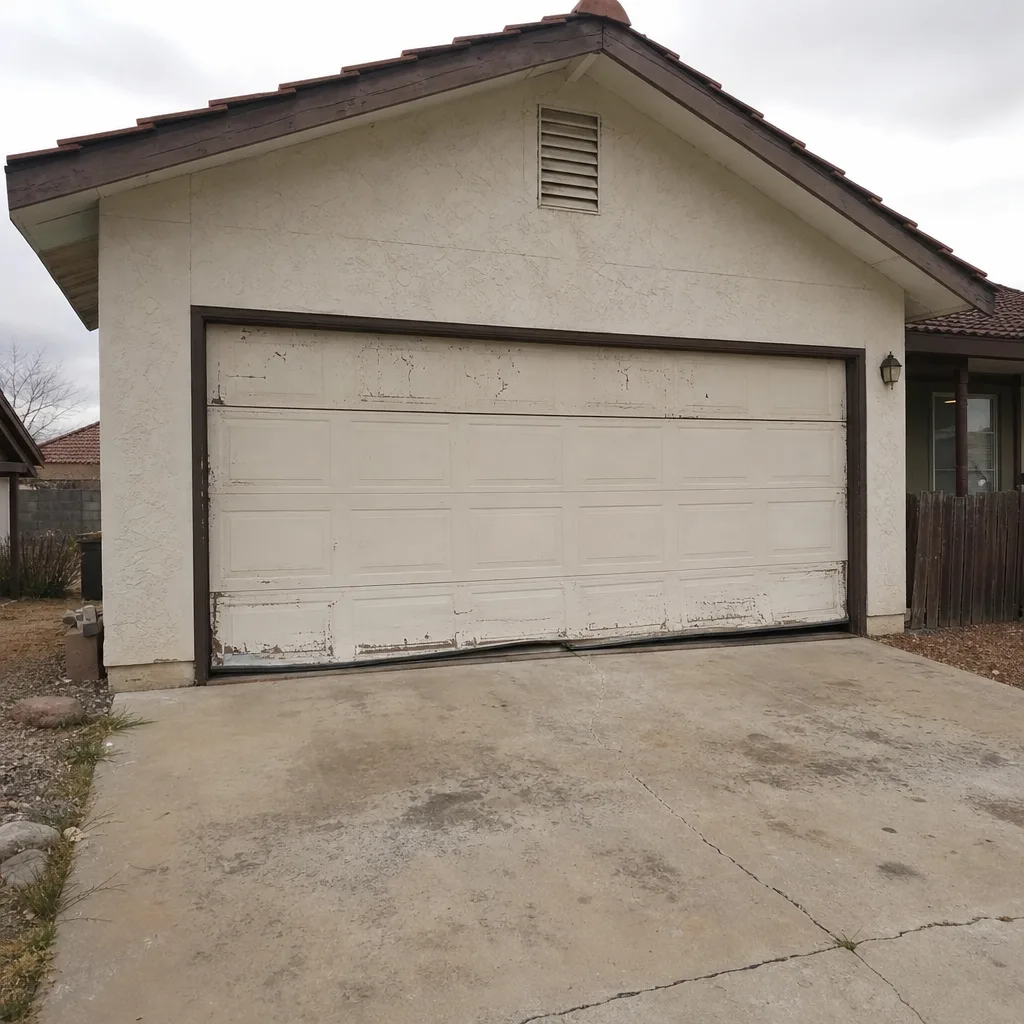 Before
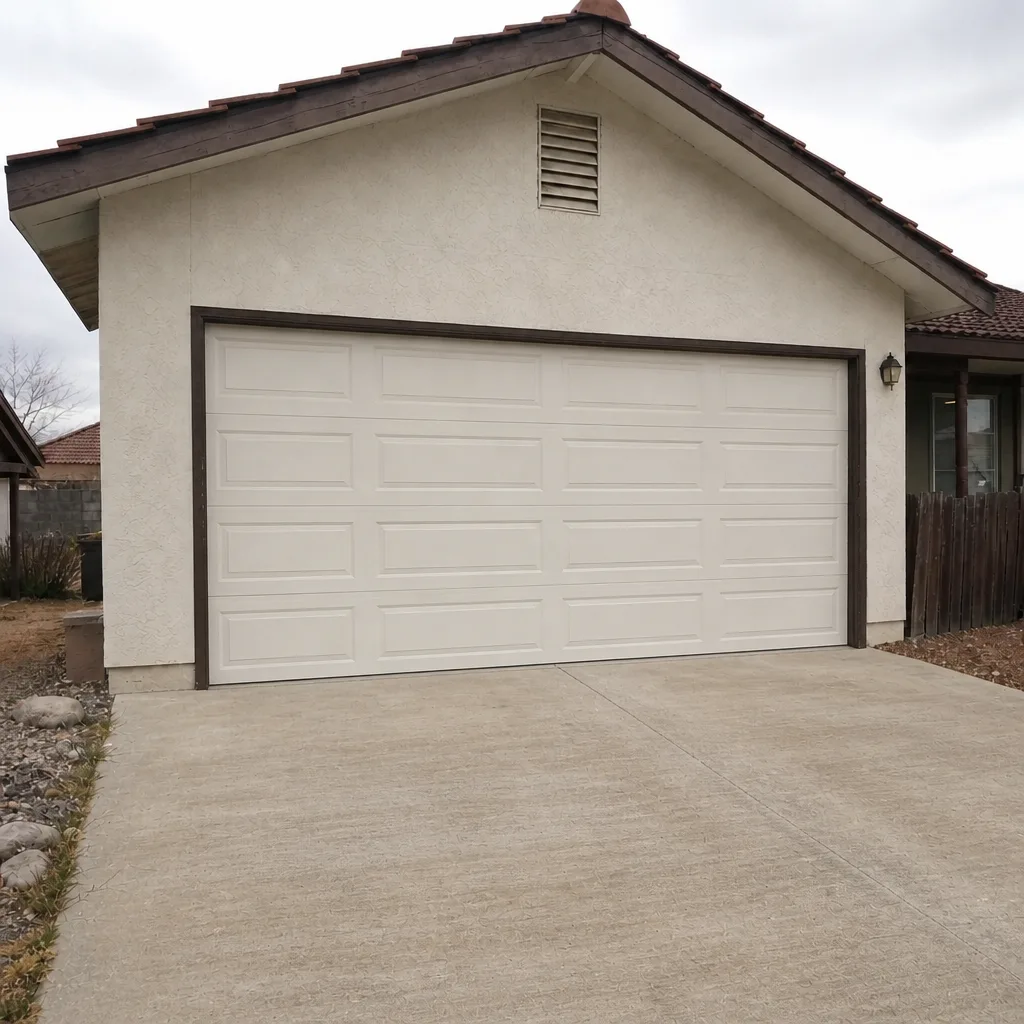 After
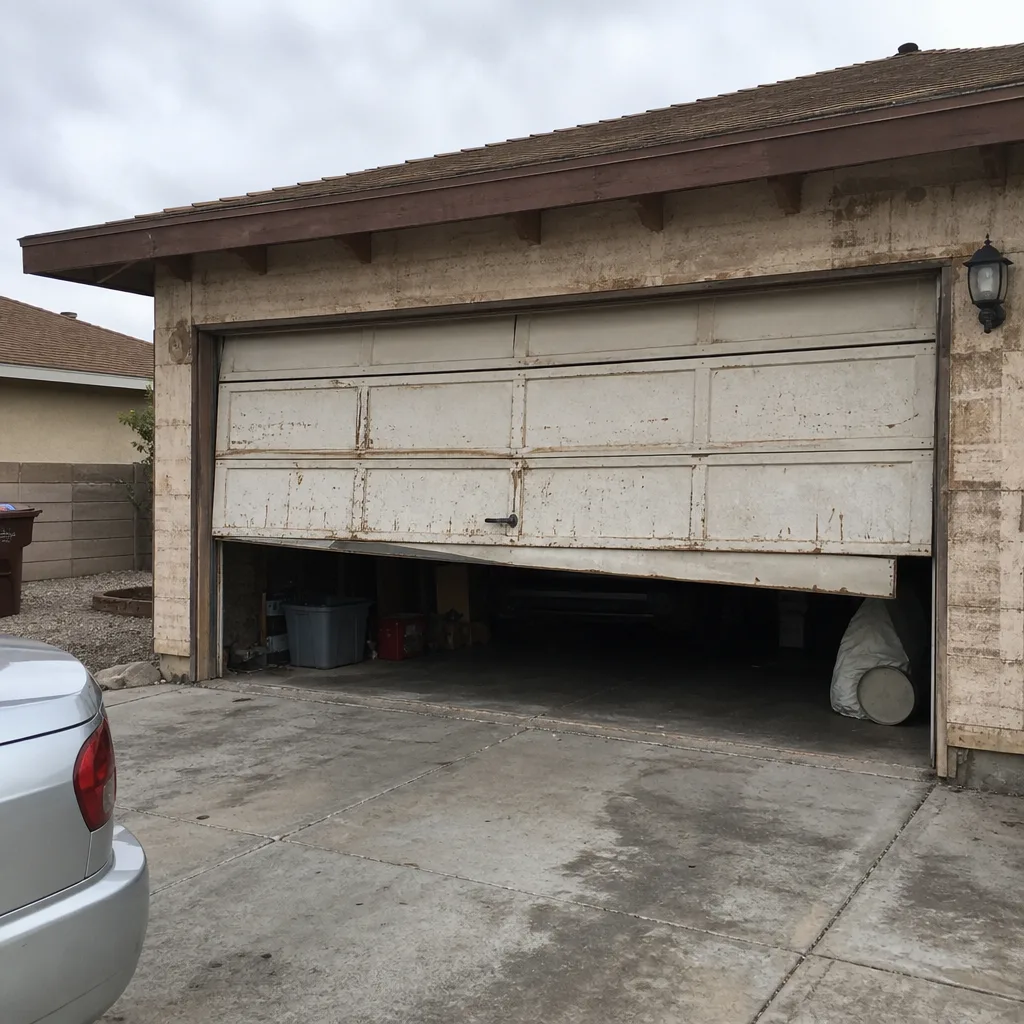 Before
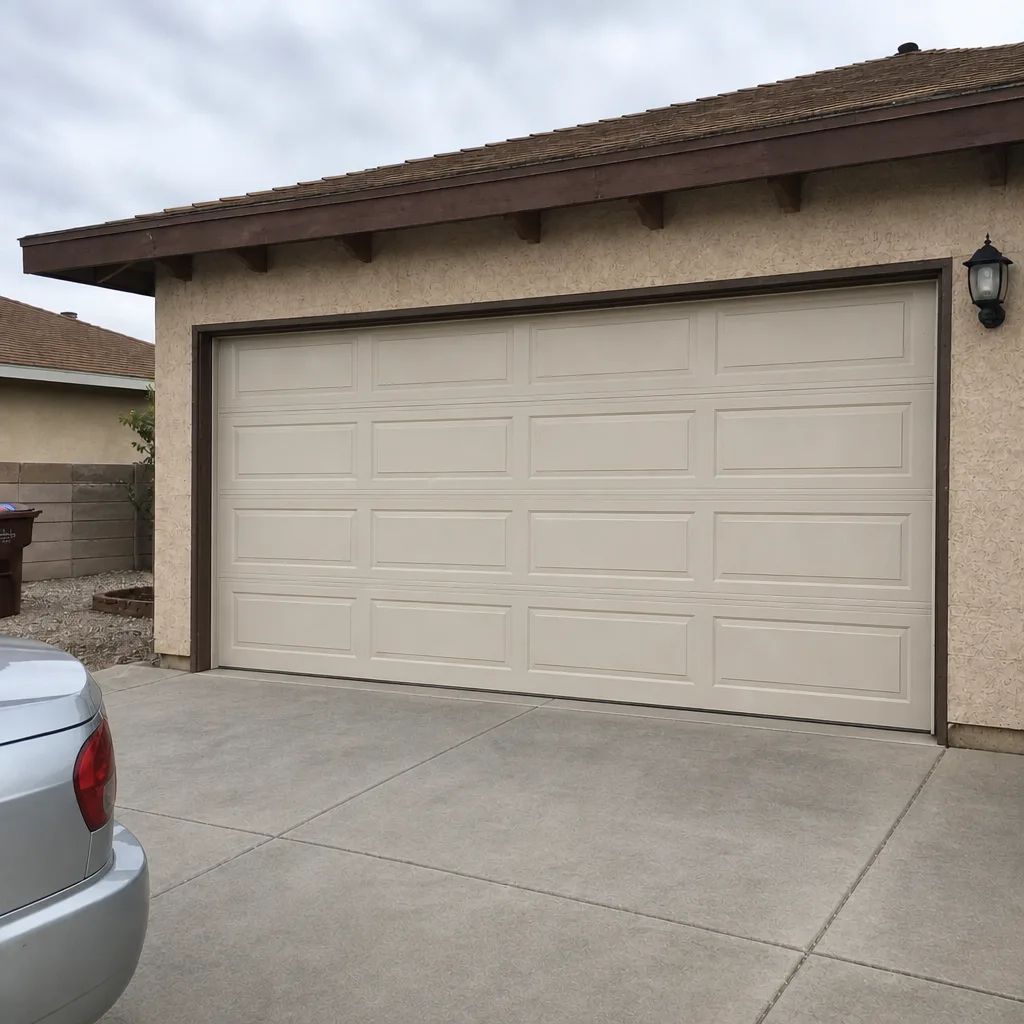 After
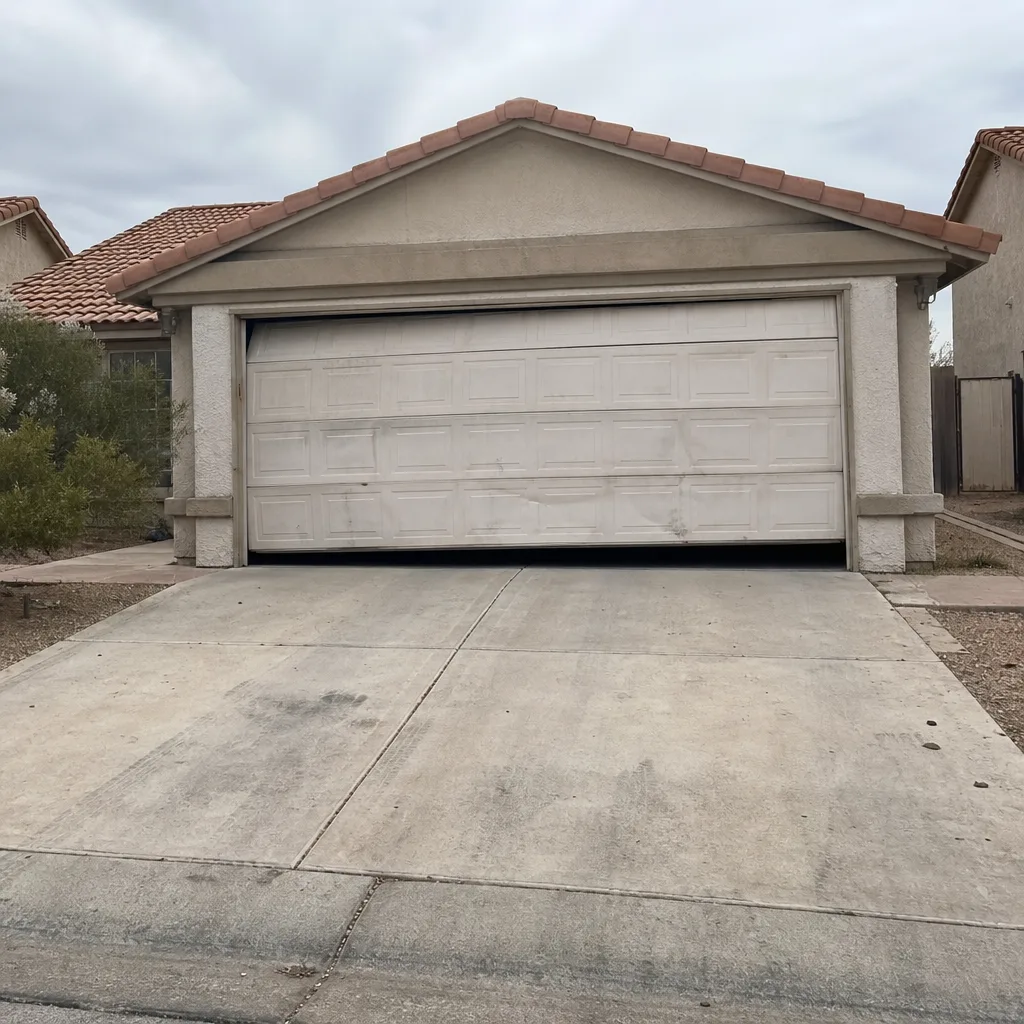 Before
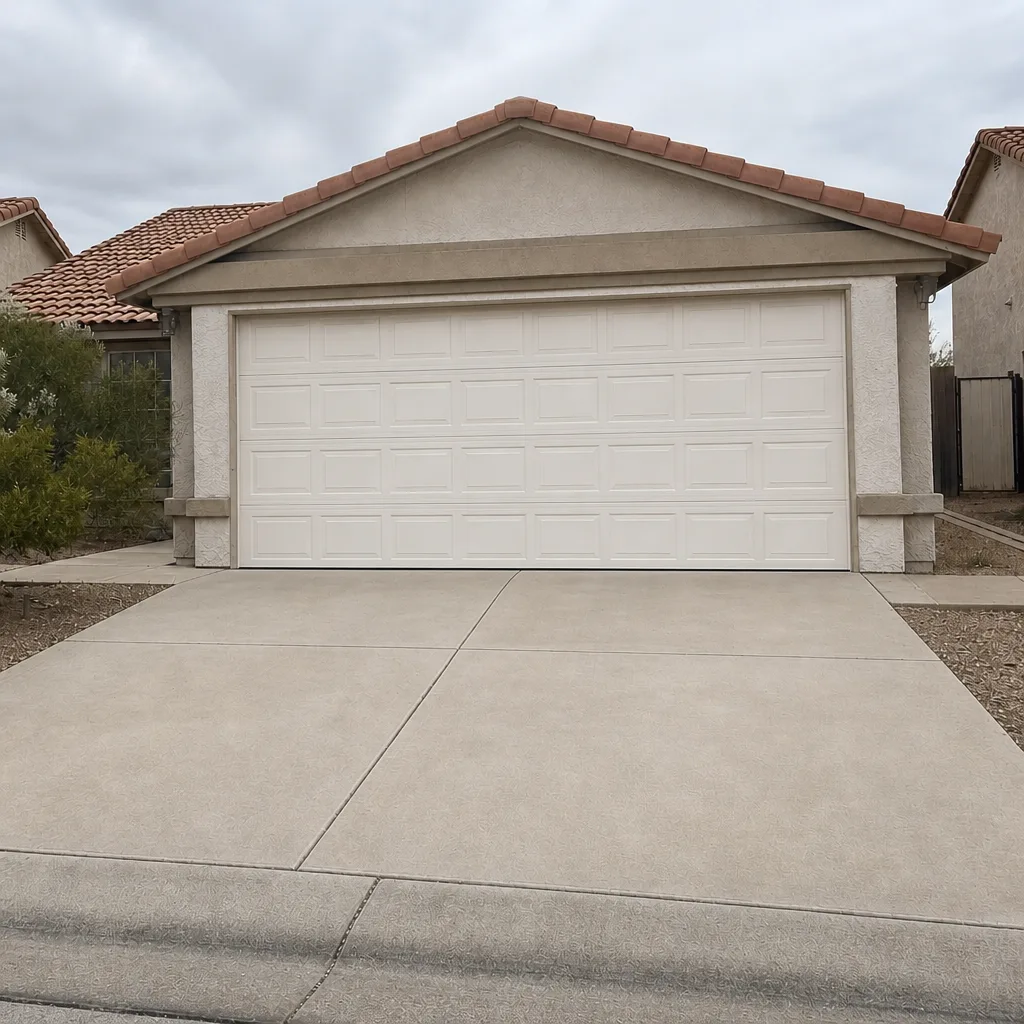 After
When to Call a Professional
Call a technician, don’t attempt the repair, in any of these situations: the door is stuck closed after a spring failure, you see a visible gap or kink in the torsion spring, the manual release won’t re-engage, the door reverses before hitting the floor, or the safety-reverse test fails. Those are the situations where the risk of injury or making a small repair into a large one is genuinely high. Spring replacement typically runs $150 to $280 per spring, and a broken cable or snapped bottom bracket needs a technician on-site. If a heat event has left you with a door that “worked fine yesterday,” don’t cycle it unattended until a technician checks it.
Bramwell Garage Door Repair Boulder City offers free estimates in Boulder City, with a written price before any work starts and a live person answering the phone 24 hours a day. Call (844) 560-4479.
If you’re planning a door replacement rather than a repair, Garage Door Installation in Boulder City covers the options for Clopay, Amarr, and Wayne Dalton doors that hold up better to heat cycling than older wood doors.
Frequently Asked Questions
Pull the red release cord hanging from the trolley on the opener rail straight down once, then lift the door by hand. If the door is heavy, binds, or drops, stop and call a technician, because the springs are failing. Re-engage the trolley by pulling the release cord back toward the opener housing once the door is fully closed, or run the opener once to re-latch it.
Don’t force the door open, don’t touch the spring, and don’t try to lift the door with tools or a vehicle. Call a technician for same-day availability. Spring replacement typically runs $150 to $280 per spring, and the price should be given in writing before any work starts. Call (844) 560-4479.
The most common cause during that event was heat-expanded steel tracks pinching the rollers, combined with opener logic boards shutting down under heat. In our experience, most post-outage failures are photo-eye alignment or track shift, not the motor itself. A quick diagnostic and re-alignment usually resolves it.
Only if the springs are intact and the door is balanced. A door with proper spring tension should lift with moderate effort and stay put about halfway up. If it feels heavy, binds, or won’t stay up, stop immediately. That’s a spring failure, and a professional should be called before anyone gets hurt.
Spring replacement typically runs $150 to $280 per spring, parts and labor included. Cable and bracket repairs vary by door type. The price is quoted and agreed before any work starts, and it should appear in writing so the invoice matches what you were told on the phone. Call (844) 560-4479 for an exact quote, free estimates.
Battery backup is strongly recommended for Boulder City homes, given the heat-related grid stress and the town’s location inside the Hoover Dam emergency planning zone. Many newer LiftMaster and Chamberlain openers come with battery backup as a standard feature. If yours doesn’t, adding a battery backup unit is a straightforward installation.
The Bottom Line
Garage door emergencies in Boulder City are not hypothetical. Heat events, grid interruptions, and the town’s position next to Hoover Dam mean the garage is more likely to matter in an emergency than most homeowners realize. The good news is that almost everything covered in this guide takes less than an hour to set up: practice the manual release once, laminate the emergency card, keep a flashlight in the garage, and inspect the springs every season. The door will still fail eventually; nothing lasts forever in 115°F heat. But a prepared Boulder City homeowner doesn’t get caught at the doorstep with a stuck door and no flashlight.
For a free, no-obligation inspection before the next heat event, or for help setting up the manual release on your specific opener, call Bramwell Garage Door Repair Boulder City at (844) 560-4479. A live person answers, day or night, and every job comes with a written price before any work starts.
Written by the team at Bramwell Garage Door Repair Boulder City.