
Last updated November 18, 2026
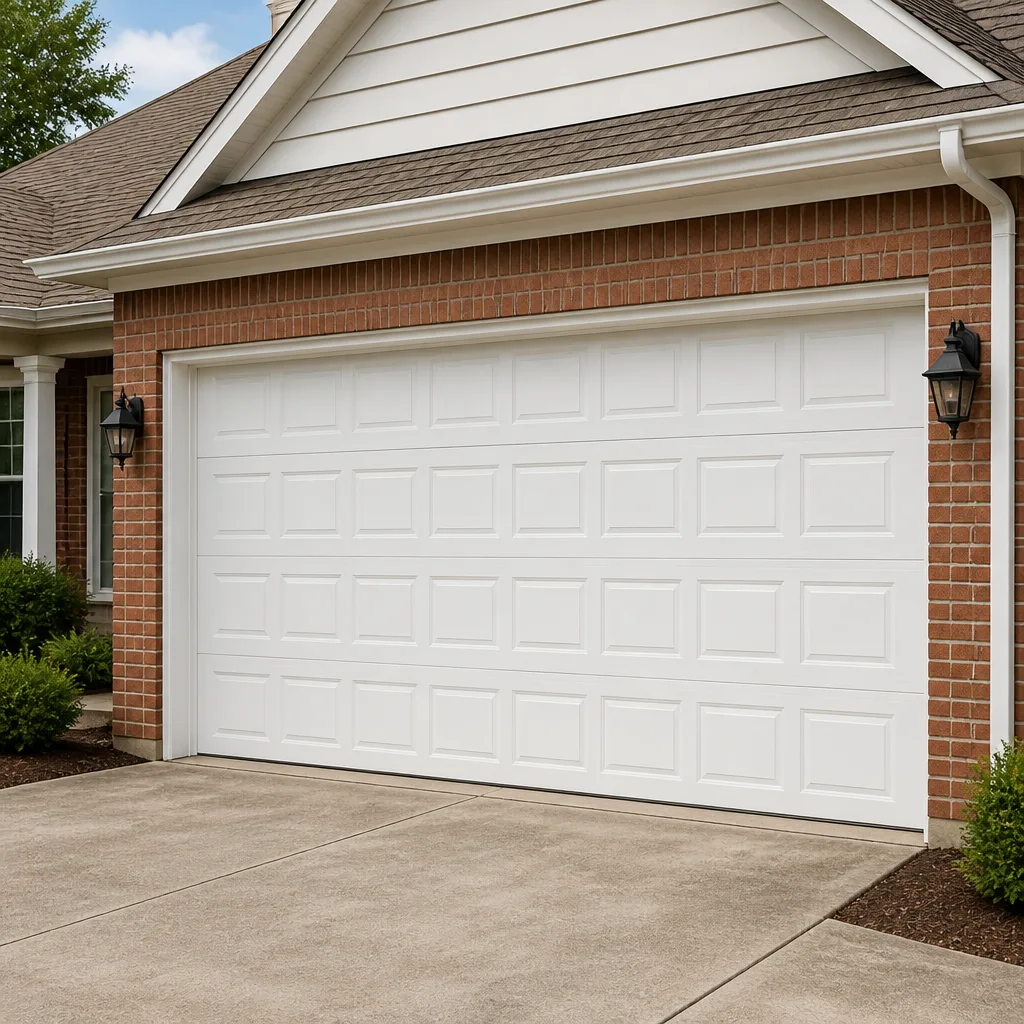 Raised-panel steel
 Carriage house
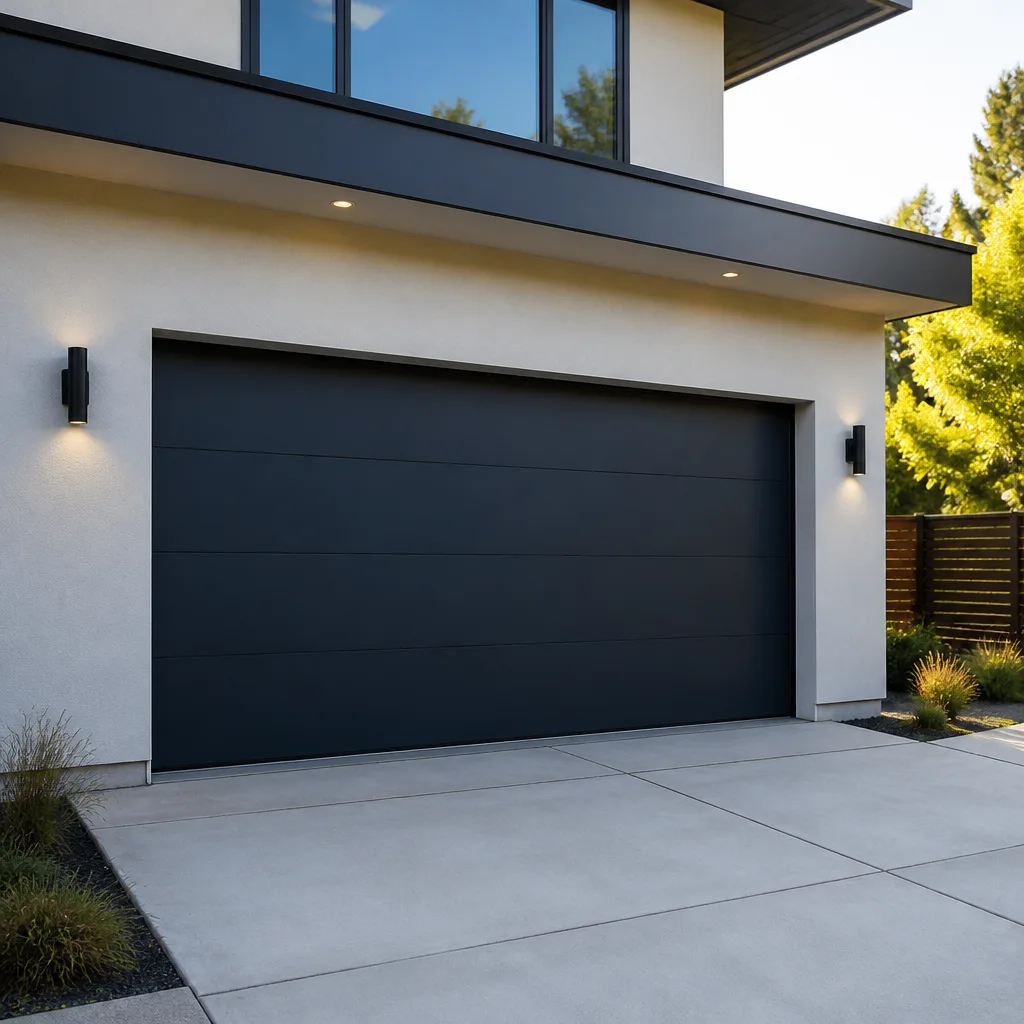 Modern flush
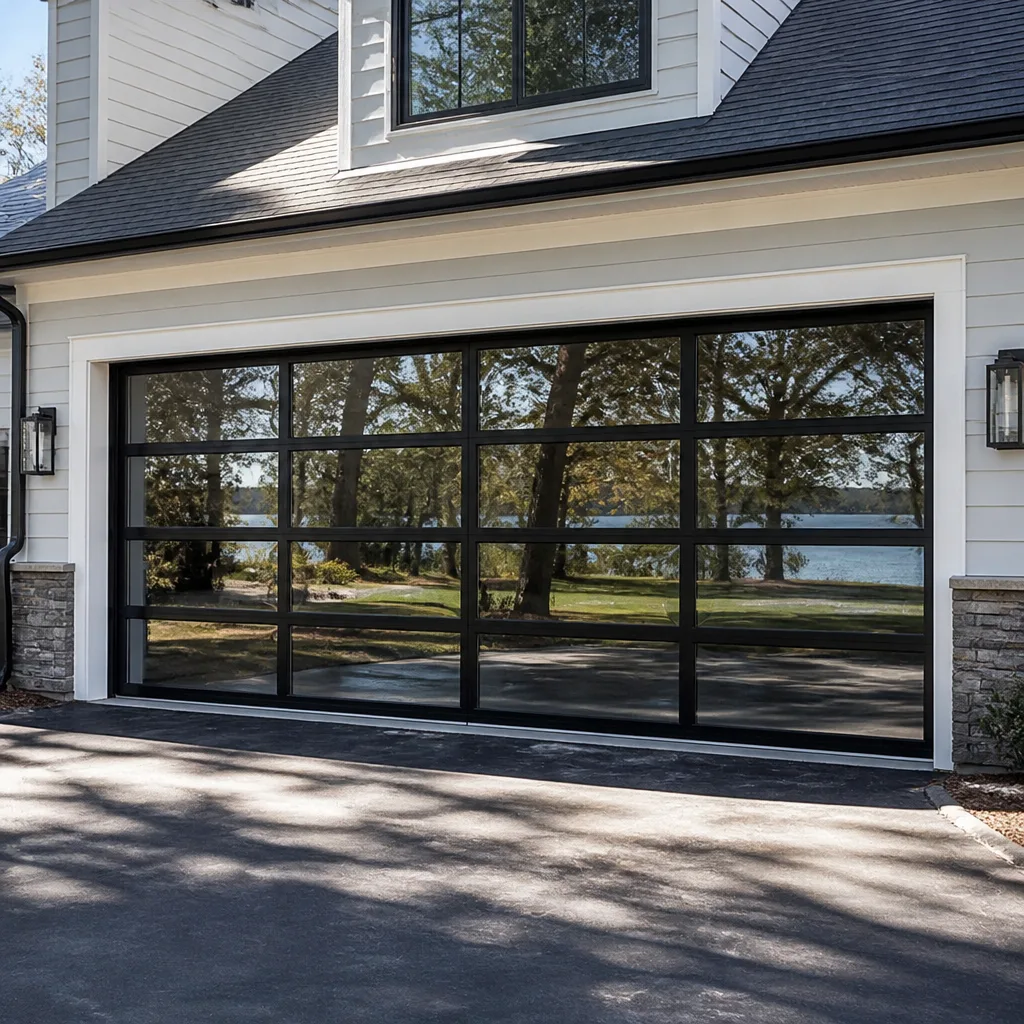 Full-view glass
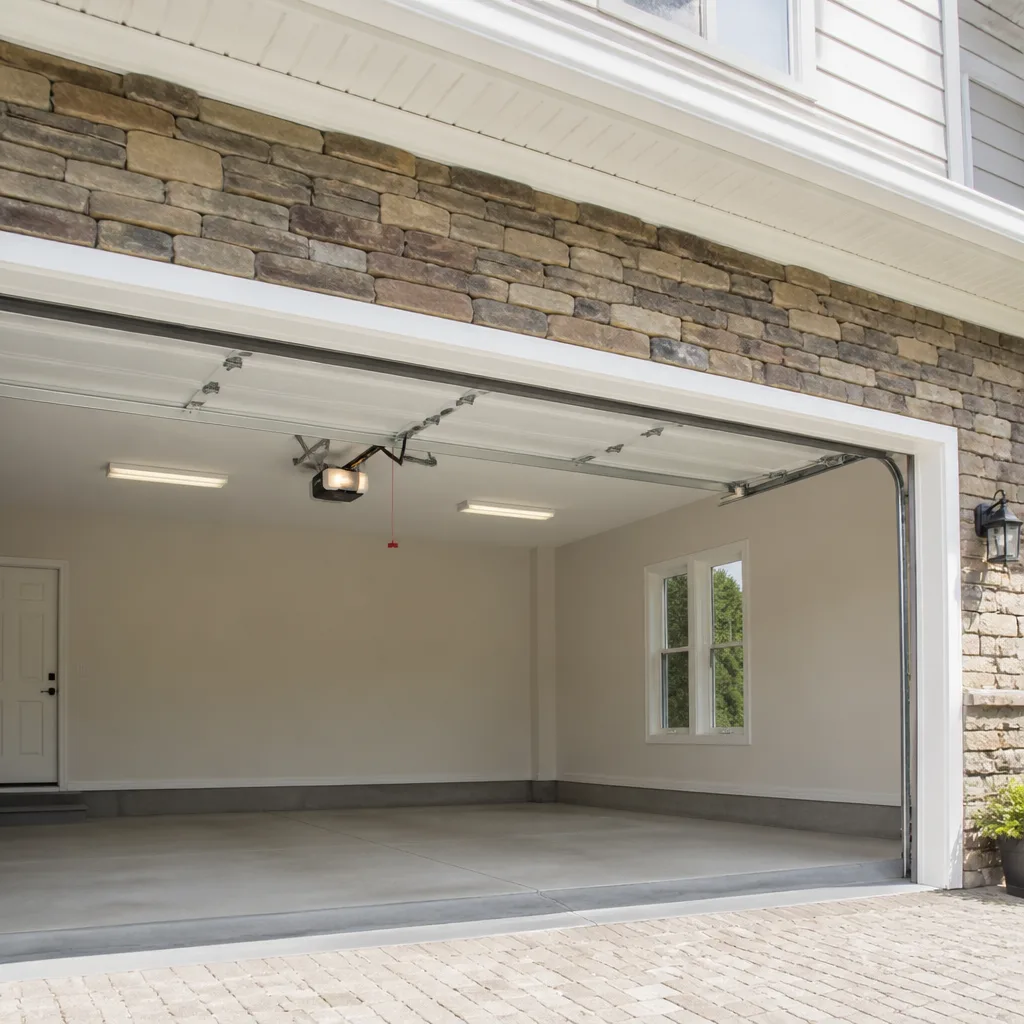 LiftMaster openers
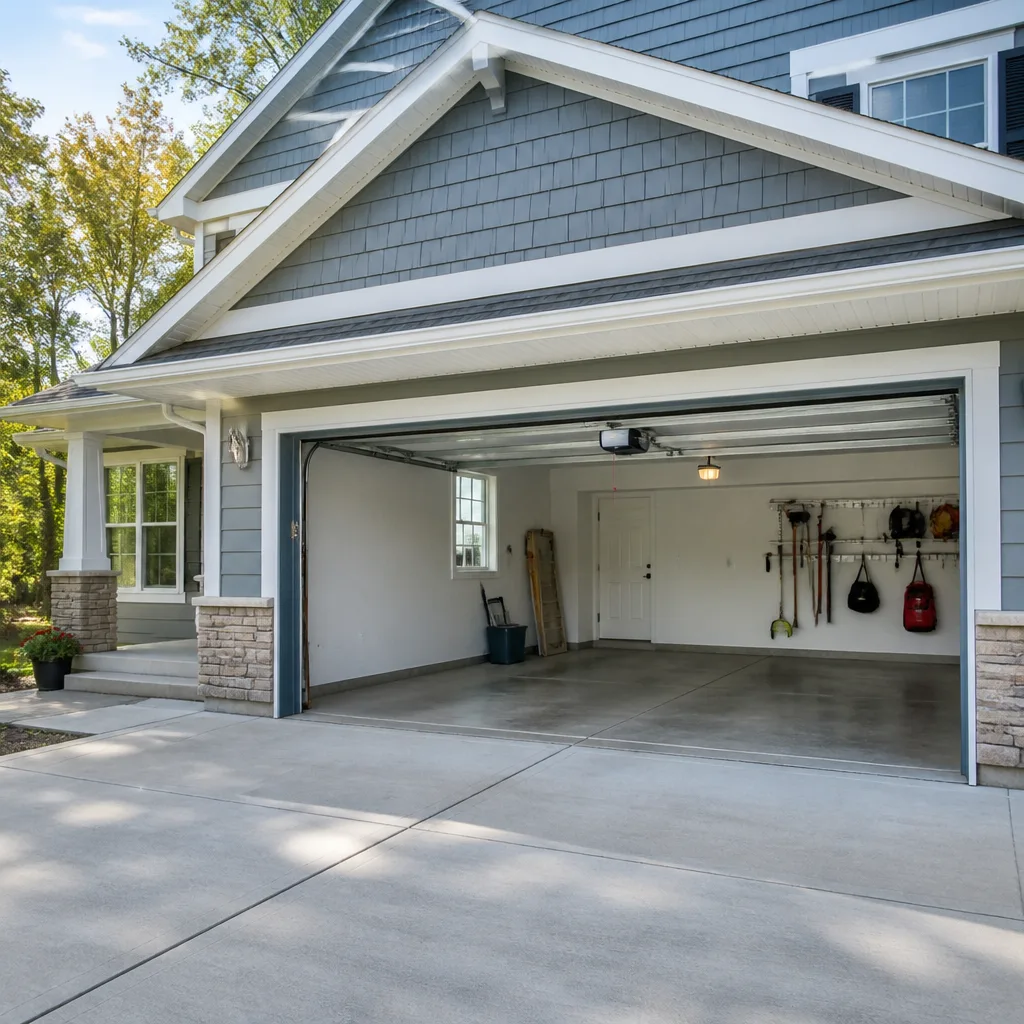 Chamberlain openers
Full 25-point door and opener safety check with every visit - springs, cables, rollers, tracks, and your LiftMaster or Chamberlain opener included
You get a price before we start. It does not change when the pro arrives.
Get your free estimateDIY vs Professional Garage Door Repair: What’s Safe to Do Yourself
A torsion spring above your garage door stores roughly the same mechanical energy as a car accelerating to 30 mph, and unlike a car, there’s no crumple zone between you and it when that energy releases uncontrolled. That single fact is why the DIY-versus-pro question in garage door repair isn’t really about how handy you are. It’s about which parts of your door hold stored energy and which don’t. Some tasks around a Boulder City garage are genuinely safe for a careful homeowner with a Saturday afternoon. Others are the reason emergency rooms see homeowners every spring. This guide draws that line precisely, so you know what you can handle and what should go to a trained technician.
Quick Answer
Safe DIY garage door tasks include aligning safety sensors, cleaning and painting panels, lubricating tracks, reprogramming remotes, and replacing batteries or weather seals. Anything involving torsion springs, extension springs, cables, or the counterbalance system should go to a trained professional, because those parts store enough energy to cause serious injury or death if they release unexpectedly. In Boulder City, where dry desert air and summer heat push metal and rubber hard, we see more spring and cable failures than most homeowners expect.
Styles & brands we work with
- Raised-panel steel
- Carriage house
- Modern flush
- Full-view glass
- LiftMaster openers
- Chamberlain openers
Table of Contents
- The Line That Actually Matters: Stored Energy vs. Moving Parts
- What’s Genuinely Safe to Do Yourself
- What Requires a Professional (And Why)
- The Physics of Torsion and Extension Springs, Explained Plainly
- What DIY Attempts on the Wrong Parts Actually Cost
- How to Tell a Real Diagnosis from a Parts-Swap Guess
- Why a Written Price Protects You From the Bait-and-Switch
- Common Mistakes to Avoid
The Line That Actually Matters: Stored Energy vs. Moving Parts
Most DIY advice online groups tasks by difficulty. Easy, medium, hard. That framing gets people hurt, because difficulty has nothing to do with danger around a garage door. A panel of a Clopay door is heavy, but a homeowner with a helper and a ladder can usually manage it. A torsion spring weighs a few pounds, looks straightforward, and can kill you if you back off the winding bars at the wrong moment.
The right dividing line is stored energy. Your garage door weighs somewhere between 130 and 350 pounds depending on width, insulation, and material. The springs, cables, and drums form a counterbalance system that holds most of that weight so a small electric opener can lift the door. When you wind a spring, you’re loading it with stored energy, and that energy stays there, patiently, until something releases it. Working on the door panels, tracks, sensors, and opener is working with moving parts. Working on the springs and cables is working directly with stored energy. That’s the line.
In our experience across Boulder City, we’ve watched homeowners successfully handle the safe side of this line for years. The failures always cluster on the energy side. The door that won’t close after a homeowner tried to “take tension off” a spring. The snapped cable from a door that got forced. These are not rare. They’re the normal result of crossing the line without the right training.
This matters more in Boulder City than in most places. Averages here run hotter and drier than Las Vegas proper, and that combination ages spring steel and stretches cables faster than a coastal climate would. A door that’s three years old in Boulder City can have the wear of a five-year-old door in a milder area. That raises the odds that the spring or cable you’re about to work near is already closer to failing than you realize.
What’s Genuinely Safe to Do Yourself
Here’s the honest list. If your task sits in this column and you’re patient, careful, and comfortable on a step ladder, it’s a reasonable DIY job. None of these tasks put your hands near stored spring energy.
- Safety sensor alignment. The two small lenses near the floor should face each other. If one LED is blinking instead of solid, they’re out of line. Loosen the wing nut, nudge the sensor until the light goes solid, retighten, and test by standing in the beam.
- Painting or refinishing panels. Cosmetic work is fair game. Wash with a degreaser, scuff lightly, prime metal, then paint. On a steel Clopay or Amarr door, a quality exterior latex primer and topcoat hold up well against the desert sun.
- Lubricating the tracks, rollers, and hinges. A silicone-based lubricant on the rollers and hinges, and a light spray on the track (never grease on a track, it attracts grit), keeps things quiet. Do this quarterly in Boulder City’s dusty season.
- Reprogramming remotes and keypads. Follow the manual for your Chamberlain or Genie opener. Most involve holding a learn button and pressing the remote within a set window. Nothing here stores dangerous energy.
- Replacing the opener’s battery backup or light bulbs. Simple and safe.
- Resetting the opener’s travel limits. If your door reverses before fully closing or stops short, the limit switch can usually be adjusted with a screwdriver. This is electric, not spring energy. Approach with calm and the manual open.
- Replacing weather seals and bottom rubber. A new bottom seal takes an hour and a pair of pliers. It keeps desert dust and insects out of your Boulder City garage.
- Cleaning and inspecting. Look for fraying cables, worn rollers, or sagging sections, and note what you see for a professional.
None of these tasks require you to remove a spring, a cable, or a drum. If a task asks you to do any of those three things, it just crossed to the other column.
What Requires a Professional (And Why)
These are the tasks that belong in the hands of a trained, insured technician. We’re not saying that because it’s good for business. We’re saying it because each one involves stored energy that can release fast enough to break bone, cut through skin, or throw a tool across the garage.
- Replacing torsion or extension springs. The spring holds the door’s weight. Getting it wrong under load can be violent. Trained technicians use proper winding bars, count turns precisely, and confirm the balance before anyone reaches for a button.
- Replacing or tensioning cables. Cables run at high tension and are the part most likely to snap mid-repair. A snapped cable whips with enough force to cause serious injury.
- Replacing drums, center bearings, or the torsion tube. This is counterbalance surgery. The door must be secured and de-tensioned safely first.
- Straightening a badly bent track. A track that’s bent so badly the door binds can sometimes be massaged back into alignment. If it’s severely deformed or the door has actually left the track, the geometry is compromised and needs a pro.
- Replacing a broken bottom section under tension. A bottom section sits close to the cable and spring tension. Replacing it in place without a trained eye risks an uncontrolled drop.
- Any job where the door won’t stay balanced. If the door rises halfway then slams down, or won’t hold its closed position, the counterbalance is off. That’s stored energy misbehaving, and it’s a pro job.
The Physics of Torsion and Extension Springs, Explained Plainly
A torsion spring is the heavy coil mounted on a shaft above the door. It’s wound so tightly that turning the shaft stores energy, and that stored energy lifts the door by unwinding as the door goes down. An extension spring is a long coil that runs along the horizontal track, top to bottom, and stretches to store energy. Same idea, different geometry.
What matters for your safety decisions is the marriage of two facts. First, a single spring stores enough energy to lift a 250-pound door several feet. Second, that energy doesn’t leak out slowly if a part fails. It releases at once, at high speed. That’s why the danger isn’t about how difficult a task looks. A spring under load can fail while you’re just touching it with a tool, and the failure happens on a timescale faster than human reaction time.
In Boulder City, we see two specific patterns that shorten spring life. The first is heat cycling: doors on south-facing garages bake every summer afternoon, and repeated expansion and contraction work the spring metal. The second is dust: fine desert grit gets into cables and spring coils and acts like sandpaper against the protective coating, speeding rust and fatigue. A spring on a Boulder City door that sits in direct sun often starts showing fatigue around the six-to-eight-year mark, sometimes sooner on a heavier insulated door.
Those two patterns are the reason our Garage Door Spring Repair in Boulder City team sees so many failures on doors that “looked fine.” The metal gives no warning before it goes. That’s exactly the kind of component you want a trained technician to inspect, not guess about.
What DIY Attempts on the Wrong Parts Actually Cost
We’ve seen plenty of these. A homeowner watches a video, buys a spring kit from a big-box store, and ends up with a bent torsion tube, a stretched door section, or a snapped cable that took a bracket off the wall with it. When we get called, the invoice is no longer a spring replacement. It’s a spring plus cable plus drum plus section replacement, and sometimes a new door.
Here’s how the money tends to break down in the Boulder City area. Numbers vary with door width and brand, but these ranges are typical of what we quote:
- Torsion spring replacement (pro): $180-$340, parts and labor included, depending on door width and whether it’s a single or double spring setup.
- Extension spring replacement (pro): $150-$280, parts and labor.
- Cable replacement (pro, one side): $95-$180.
- Track realignment (mild): $85-$150.
- Track replacement (severe): $150-$250 per side.
- Bottom section replacement after a failed DIY attempt: $300-$700 depending on door style and whether it’s an insulated Amarr or a basic steel panel.
- Complete door replacement after a structural failure: $1,200-$3,500, which is not where anyone wants to start their weekend.
So the pattern is clear. The original pro repair is a few hundred dollars. A botched DIY attempt on the energy side of the line can easily cost three to five times that in secondary damage, before anyone’s labor. And that’s leaving out the trip to urgent care, which is not a hypothetical in our line of work.
How to Tell a Real Diagnosis from a Parts-Swap Guess
Part of why homeowners attempt DIY is a nagging suspicion that a technician will just replace the most expensive part and call it fixed. That suspicion is fair. Plenty of bad actors do exactly that. Good technicians diagnose first. Here are the questions to ask when a technician is at your door.
- “Can you walk me through what you think is the root cause?” If the answer is “the spring,” but your problem is that the door’s opener keeps reversing, that’s a limit switch, not a spring. A real diagnosis names the actual failure, not the most expensive part.
- “Which parts did you check before you got to the spring?” For a door that’s noisy or slow, the rollers, hinges, and tracks all come first. For a door that reverses, sensors and the opener’s force setting come first.
- “Is this a wear item or a symptom of something else?” A spring broken at seven years is a wear item. A spring broken at ten months might be a symptom of a mis-aligned track or a bad balance job.
- “What does the written price cover, exactly?” Parts, labor, cleanup, haul-away, and the guarantee. A price that only covers the part is not a price. It’s a starting offer.
- “What’s the guarantee?” Walk through exactly what’s covered and for how long. The 365-Day Done Right Promise means if the repair fails within a year, we come back and fix it at no charge, and that commitment is written down on the invoice before any work starts.
When you’re ready to have a technician take a look, our Garage Door Repair in Boulder City team answers diagnostic questions like these before anyone picks up a tool.
Why a Written Price Protects You From the Bait-and-Switch
Ask any homeowner who’s been burned why they tried DIY and you’ll hear the same story. The phone quote was $150. The door-step price became $450. Or the arrival window was 9 to 11, and the technician showed up at 4. Bait-and-switch pricing is the single biggest driver of DIY attempts on jobs that shouldn’t be DIY. If a homeowner thinks the only alternative is a surprise invoice, they’ll reach for YouTube.
The fix is simple: get the price in writing before any work starts. Not a phone ballpark, not a “starting at,” but a written figure that matches the invoice. The Kingswell Guarantee is built around that idea, and it works in both directions. It protects the homeowner from a surprise invoice, and it forces the company to quote honestly, which means the technician has to actually diagnose what’s wrong.
When you call for a garage door repair in Boulder City, the four Kingswell standards are what you should expect on every job: a written price before work begins, a real arrival window that gets honored, a clean job site left the way we found it, and a written guarantee on every repair. If a company can’t show you all four in writing, that’s your signal to call someone else.
The 365-Day Done Right Promise backs the repair itself. If a covered repair fails inside a year, we come back and fix it at no charge, and no, that’s not a marketing line. It’s on the invoice.
Common Mistakes to Avoid
- Watching a video and assuming it transfers. A video technician can see the spring’s tension and confirms the door balance before touching anything. You can’t see either through a screen, and in Boulder City’s dry heat a spring that looks fine may already be near failure.
- Forcing a door that reverses. If your opener keeps reversing, the safety sensors or the force setting are the problem. Forcing the door closed with the emergency release cord risks bending a section or straining a cable that was holding fine.
- Using a screwdriver or pliers as a winding bar. This is the most dangerous shortcut in the trade. Winding bars are specifically engineered to hold spring torque. A screwdriver isn’t, and a snapped-off tool under load becomes shrapnel.
- Assuming a loud door means a new door. Most noisy doors just need new nylon rollers and a hinge lubrication. A full Garage Door Installation in Boulder City is occasionally the right call, but a good technician will tell you when it isn’t.
- Ignoring a bent bottom section after a bad close. A bottom section that got bent from a door closing on an object can trap the bottom seal and let desert dust and insects into the garage. Treat it as a priority, not a cosmetic issue.
- Painting over rust instead of addressing it. On a steel door, rust needs to be sanded back to bare metal before priming. Painting over it just hides the problem until it spreads. Our dry Boulder City air is kind to a treated door and rough on a neglected one.
- Skipping the balance test. Disconnect the opener, lift the door halfway, and let go. It should stay where you release it. If it drops, the counterbalance is failing. That’s a call-a-pro moment, not a fix-it-yourself one.
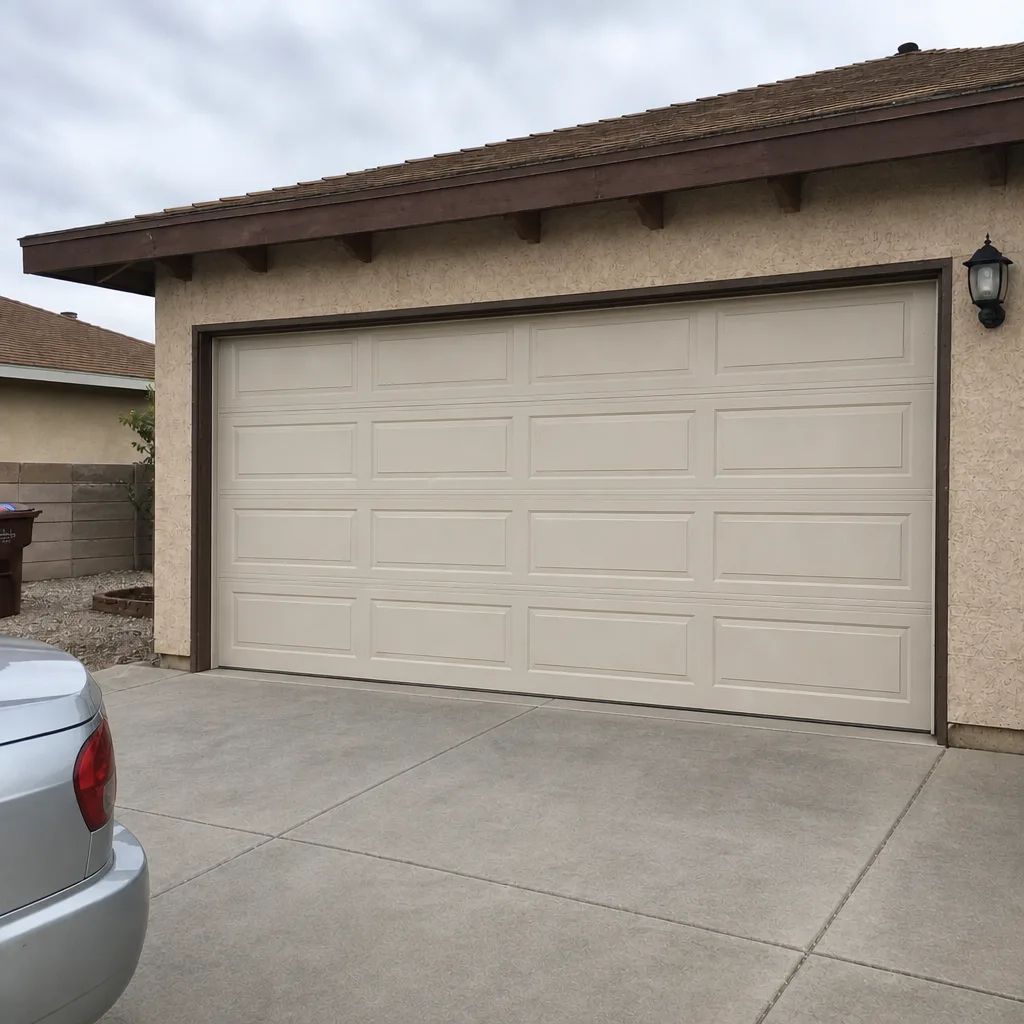
See the difference
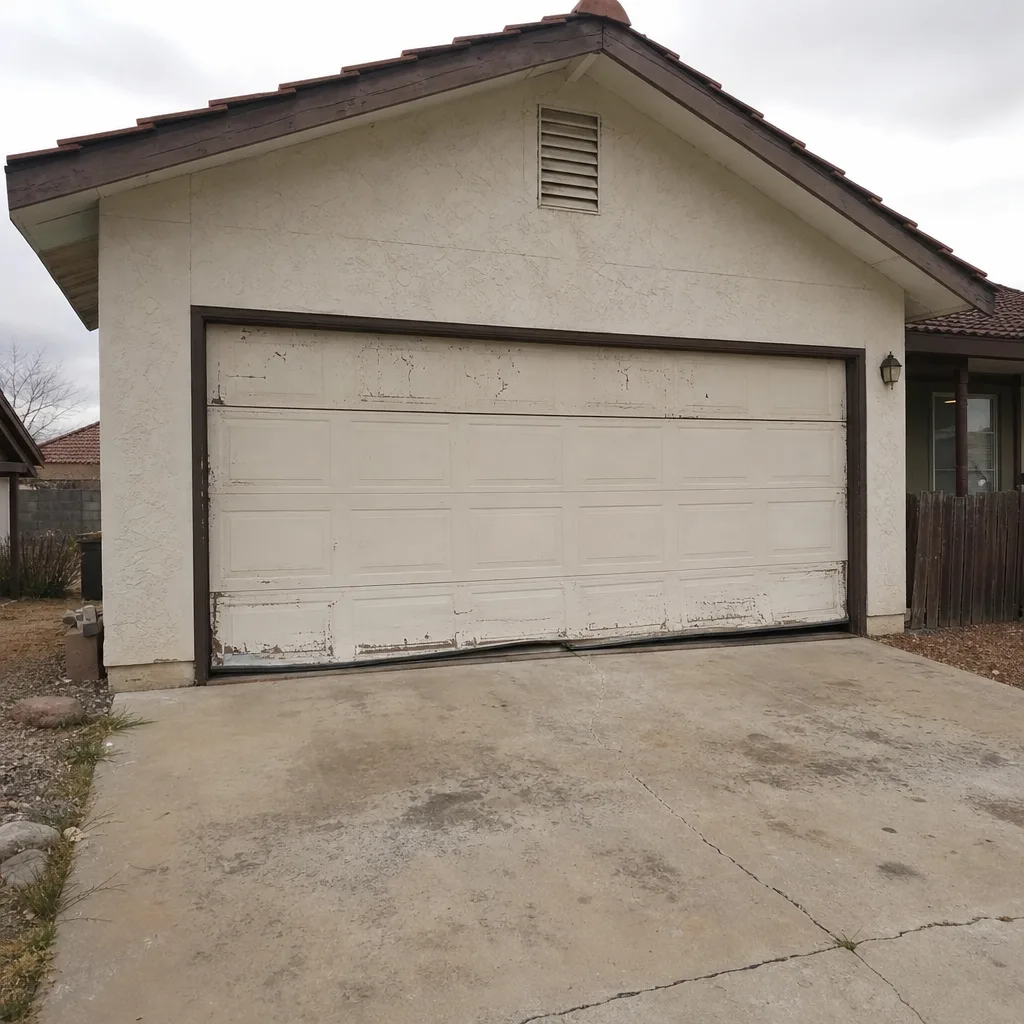 Before
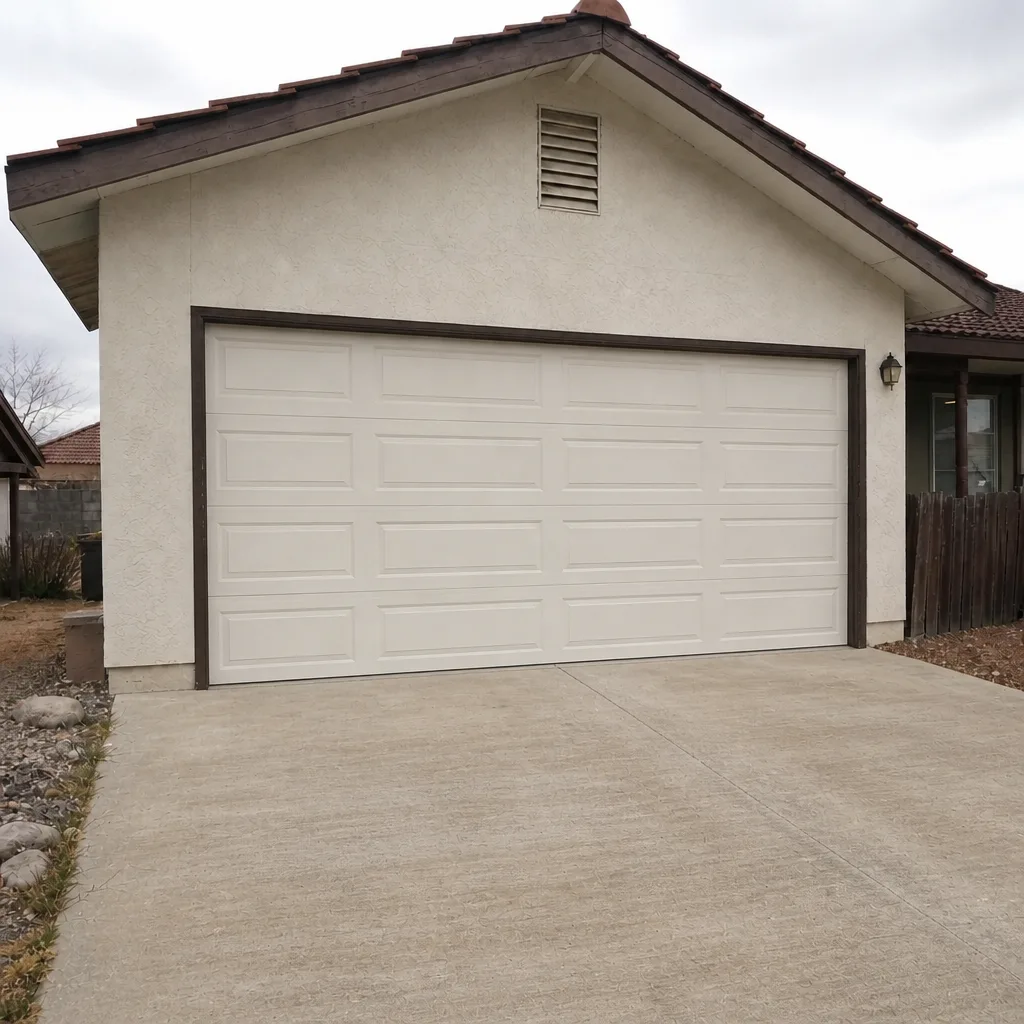 After
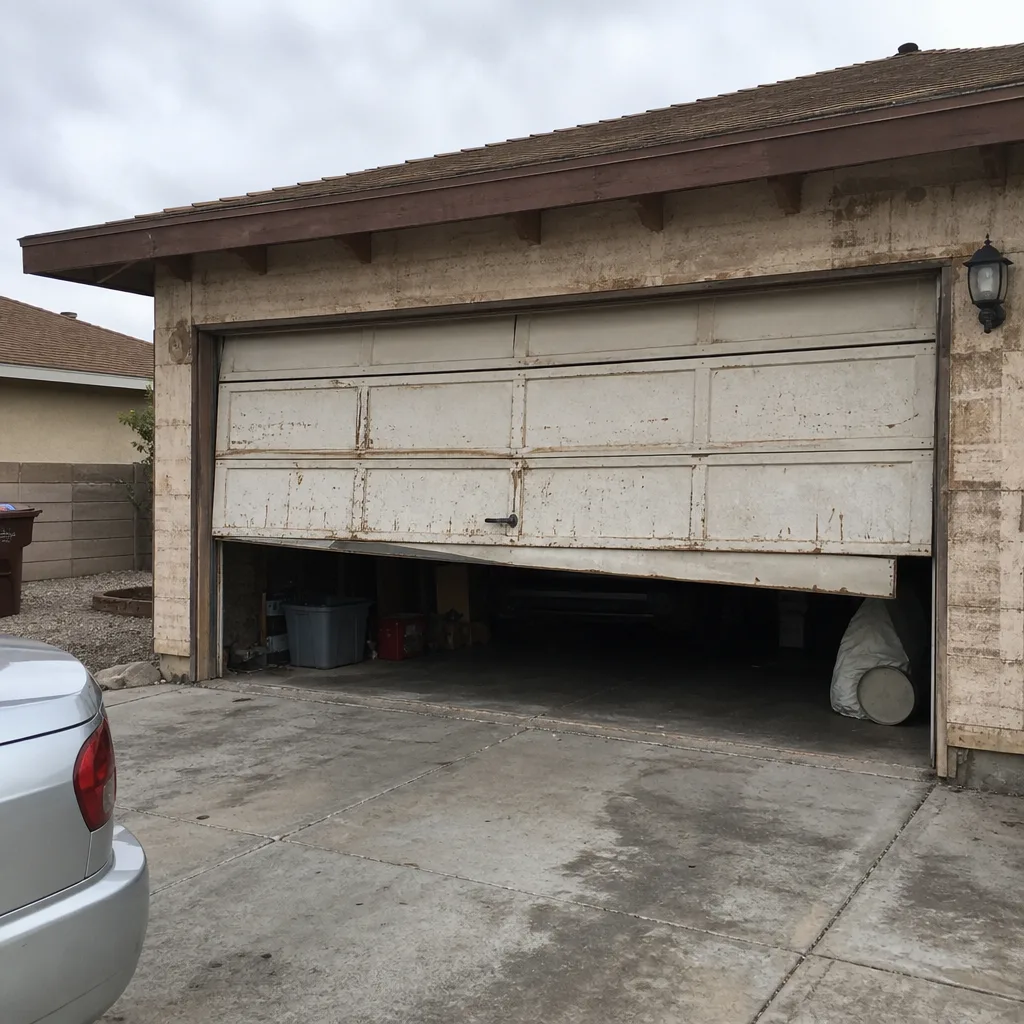 Before
 After
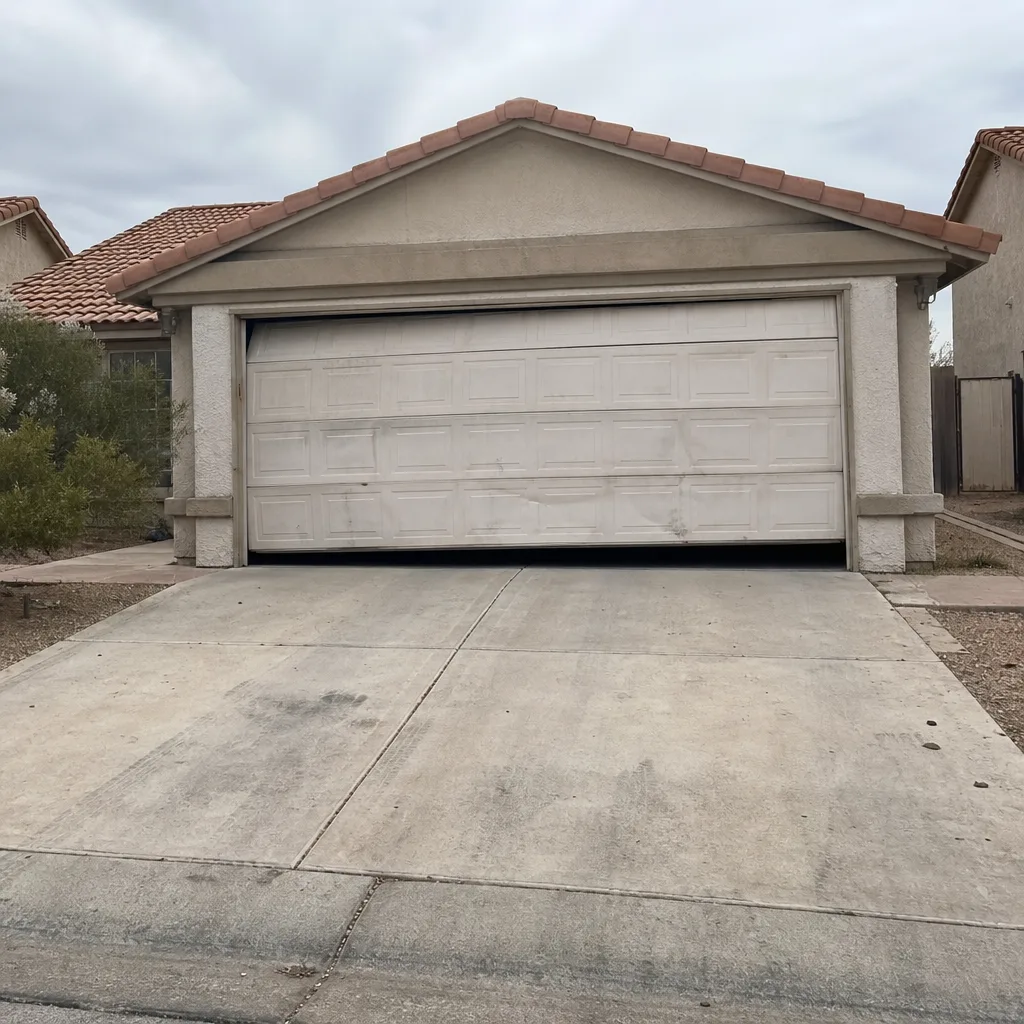 Before
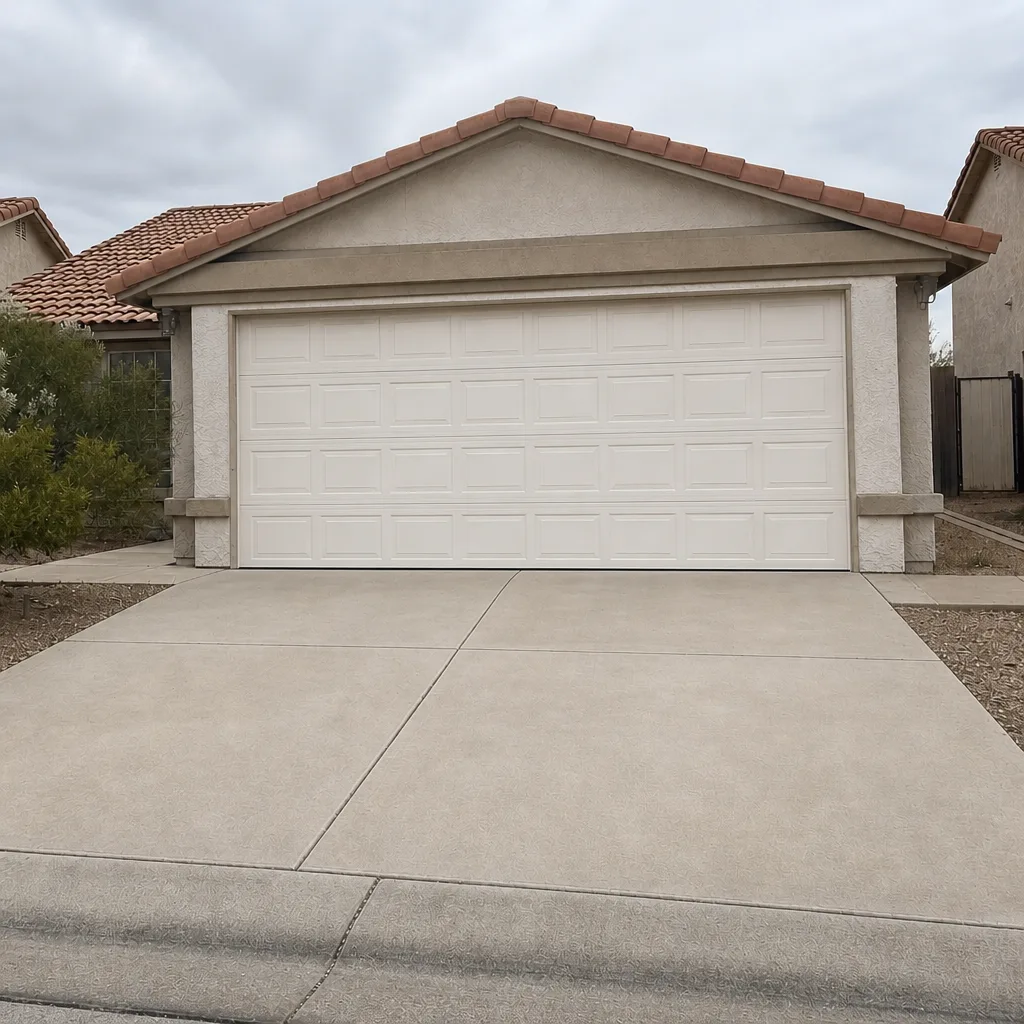 After
When to Call a Professional
Call a professional the moment a repair involves a spring, a cable, or a door that won’t hold its balance. Those are the energy-side tasks, and the cost of getting them wrong runs from an expensive invoice to an injury. Also call when the door leaves its track, when a section is structurally compromised, or when the opener’s logic board or motor has failed. And call when the diagnosis itself is unclear. Guessing at parts gets expensive fast. Bramwell Garage Door Repair Boulder City offers free estimates in Boulder City. Call (844) 560-4479, a live person answers 24 hours a day, seven days a week, and you’ll get a written price before any work starts. Technicians are background-checked, arrive in uniform, and carry the Kingswell Guarantee on every job. One quick call settles whether the repair is truly a pro job or a safe DIY task you can finish this afternoon. If you haven’t found us yet, our Bramwell Garage Door Repair Boulder City home page walks through the full range of services.
Frequently Asked Questions
No. Torsion and extension springs store enough mechanical energy to cause serious injury or death if they release uncontrolled, and that energy loads up fast enough that a homeowner has no time to react. Replacing a spring is a job for a trained, insured technician with the right tools. Call (844) 560-4479 for a free estimate, and a live person will answer.
Yes. Safety sensor alignment is one of the safest DIY tasks on a garage door. If your sensor LED is blinking, or the door reverses as soon as it starts closing, the two sensors are likely out of line. Loosen the wing nut on the misaligned sensor, nudge it until the light goes solid, retighten, and test. If it still won’t align, call (844) 560-4479 for a free estimate.
Reversing almost always traces to the safety sensors, the opener’s force setting, or a limit switch that’s drifted. Boulder City’s dust can coat the sensor lenses and interfere with the beam, so start there with a wipe-down and an alignment check. If the door still reverses after cleaning and alignment, the opener’s force setting needs adjustment, and that’s a quick visit for a trained tech. Call (844) 560-4479 and ask for a free estimate.
Most torsion spring replacements in the Boulder City area run $180 to $340, parts and labor included, and extension spring replacements run $150 to $280. The exact number depends on door width, spring setup, and whether the door needs rebalancing. Whatever the figure, you’ll get it in writing before any work starts. Call (844) 560-4479 for a free estimate.
Not with the Kingswell Guarantee. The written price delivered before work starts is the number on the invoice. If something unexpected turns up, you hear about it before anyone touches a tool, and you decide. Call (844) 560-4479 for a free estimate.
Yes. Painting a steel garage door is a straightforward DIY project, as long as you sand any rust down to bare metal, prime with an exterior-grade metal primer, and topcoat with a quality exterior paint. On a desert-facing Clopay or Amarr door, that prep work is what makes the paint last through Boulder City summers. If you’re unsure whether the door needs replacement instead of paint, call (844) 560-4479 for a free estimate.
The Bottom Line
The DIY-versus-pro question in garage door repair comes down to stored energy. Sensors, remotes, panels, hinges, seals, and limit switches are all fair game for a careful homeowner. Springs and cables are not, and that has nothing to do with how much you know. It has to do with how much energy sits coiled in a piece of metal above your head. Boulder City’s heat and dust age those parts faster than homeowners expect, so a door that looks fine may not be. When the repair crosses the line, get a written price before anything starts, confirm the guarantee in writing, and skip the video tutorial. Bramwell Garage Door Repair Boulder City is here for the energy-side repairs. Call (844) 560-4479 for a free estimate.
Written by the team at Bramwell Garage Door Repair Boulder City.