
Last updated November 18, 2026
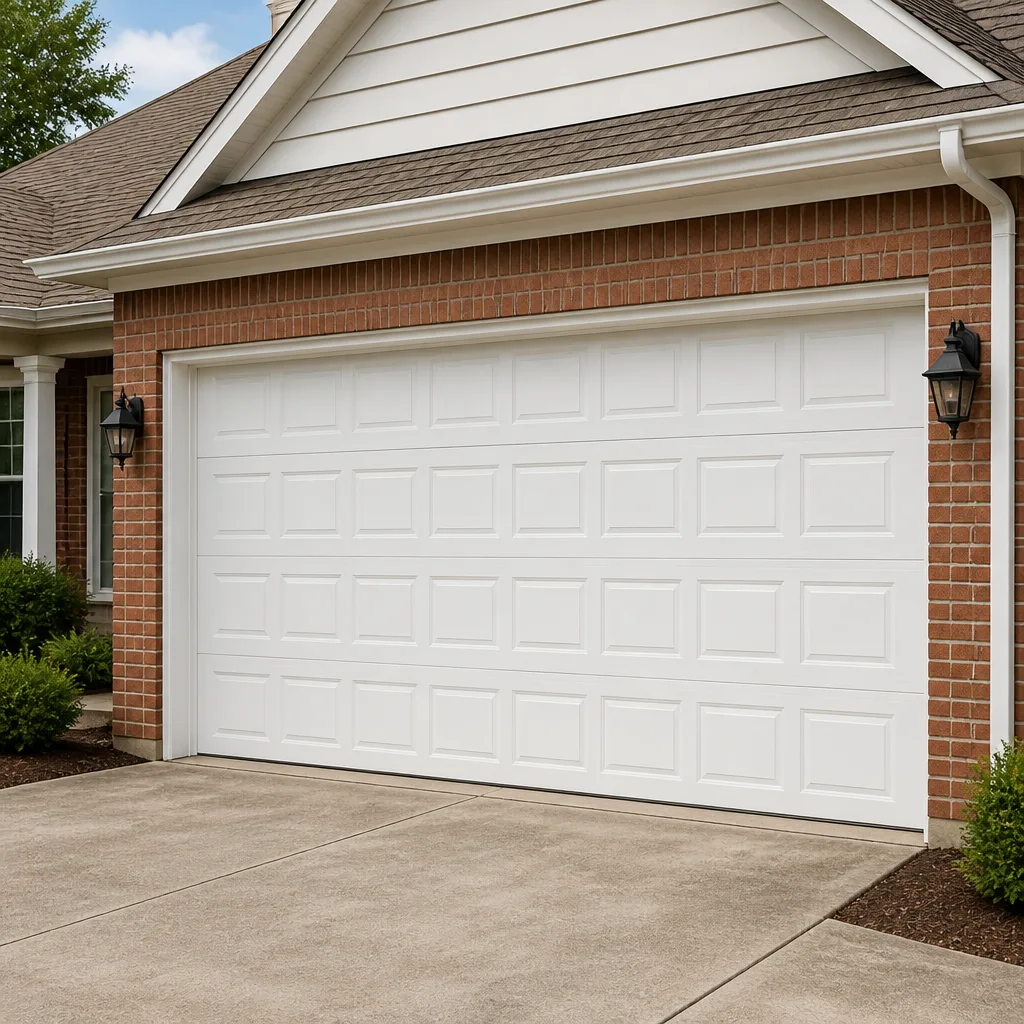 Raised-panel steel
 Carriage house
 Modern flush
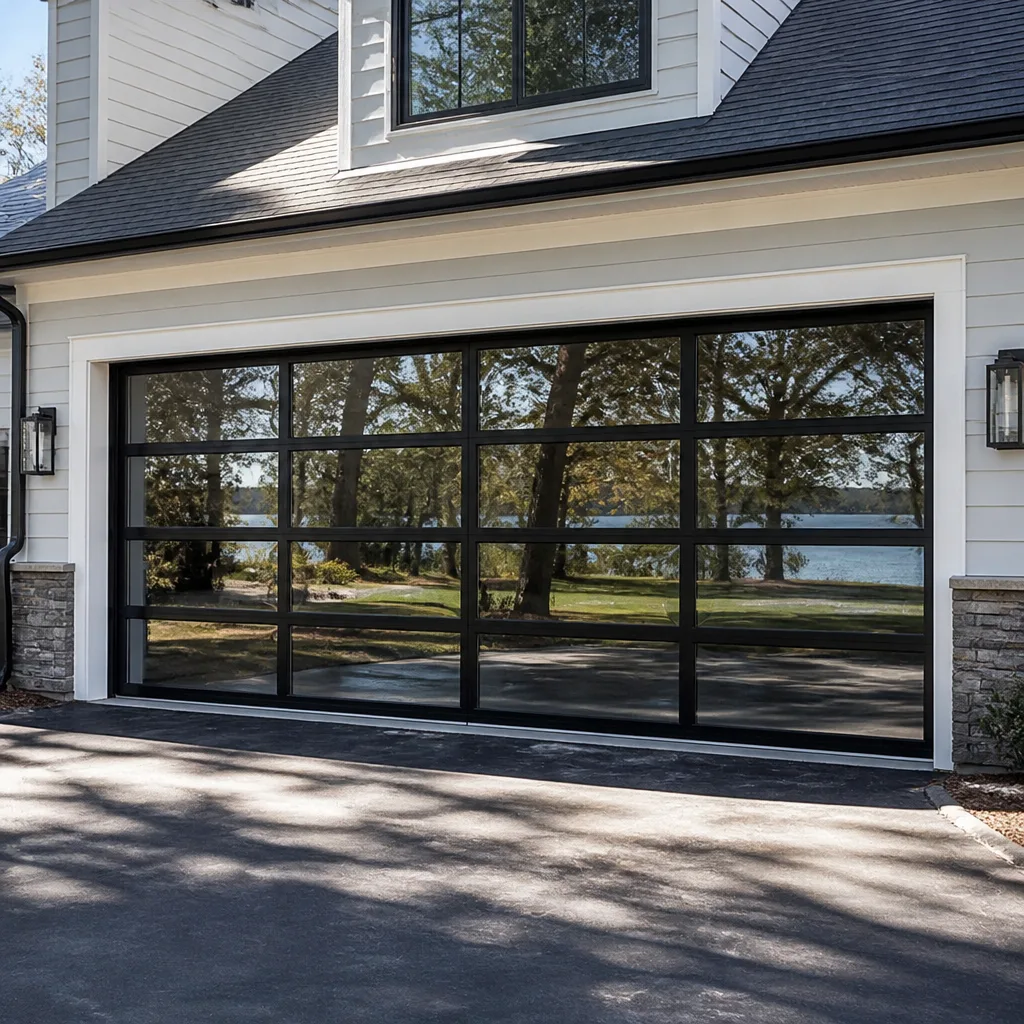 Full-view glass
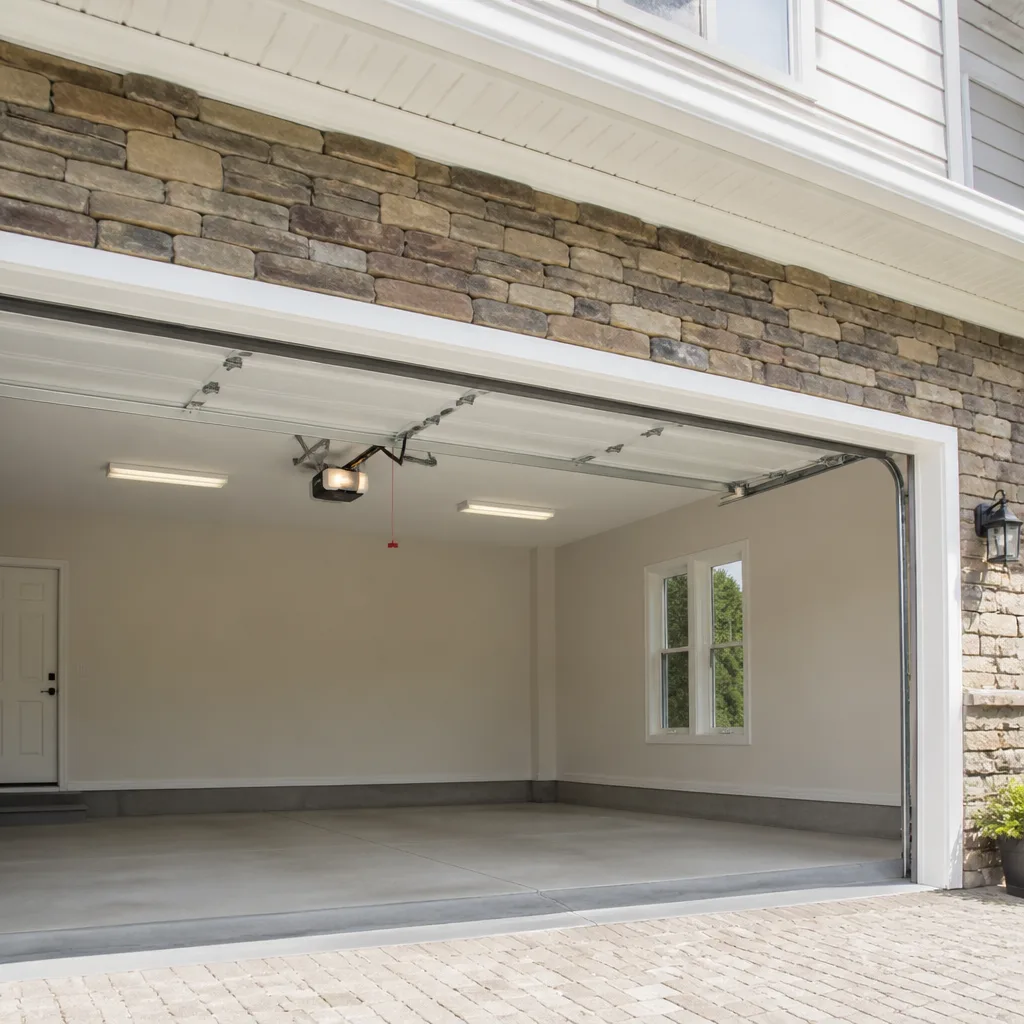 LiftMaster openers
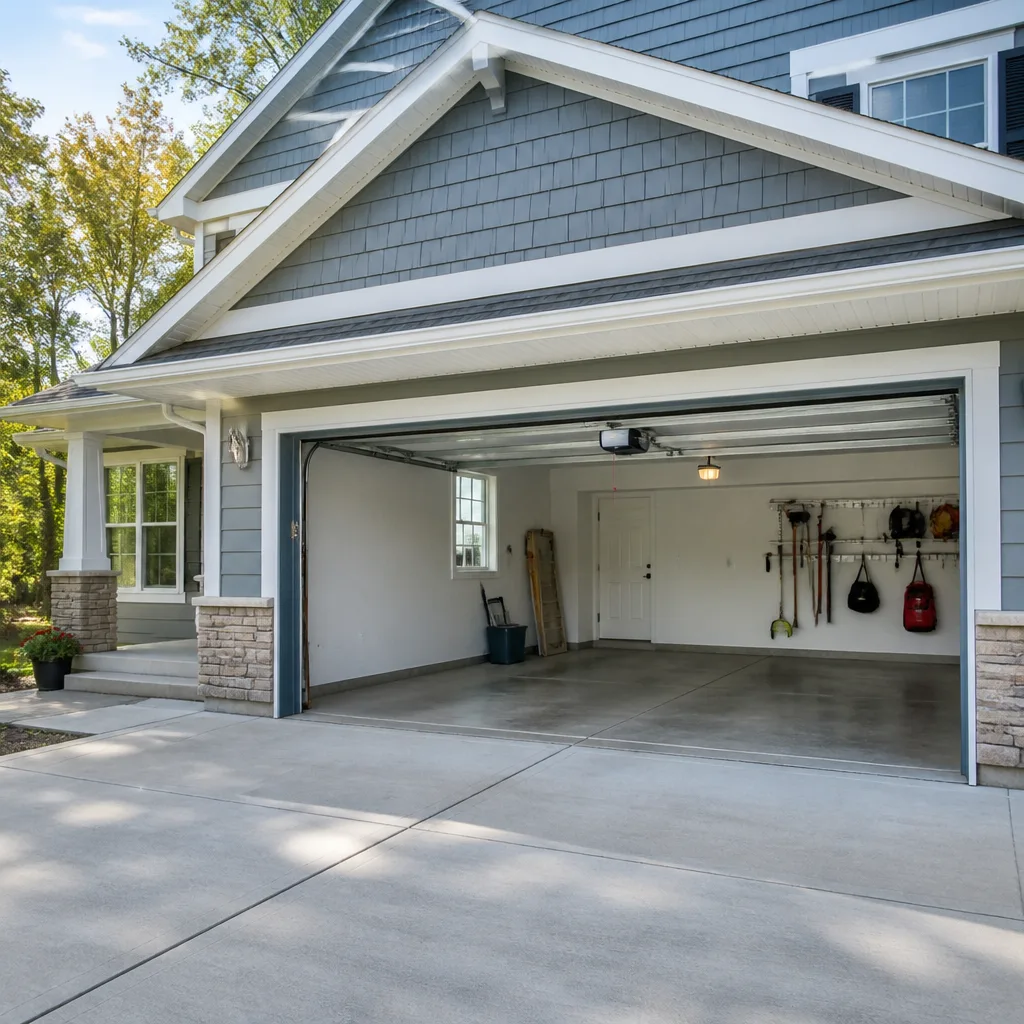 Chamberlain openers
Full 25-point door and opener safety check with every visit - springs, cables, rollers, tracks, and your LiftMaster or Chamberlain opener included
You get a price before we start. It does not change when the pro arrives.
Get your free estimateDIY vs Professional Garage Door Spring Repair: What’s Safe to Do Yourself
There are exactly three spring-related jobs a careful homeowner can do without real risk: lubrication, visual inspection, and balance testing. Then there’s a fourth task, winding or unwinding a torsion spring, that sends people to emergency rooms every year. The line between the two is clear once someone draws it honestly, and that’s what this guide does. A fully wound torsion spring on a standard seven-foot door stores roughly 100 foot-pounds of torque, close to the energy in a small explosive charge if it lets go wrong. We’ll show you what’s genuinely safe to handle in Boulder City, what isn’t, and what a fair professional price looks like.
Quick Answer
Lubrication, visual inspection for coil gaps and rust, cycle counting, and balance testing are safe for a careful homeowner. Adjusting, winding, or replacing torsion springs is not – that work requires proper winding bars and training, and the injury rate from improvised tools is high. Extension spring replacement sits in between: lower energy, but the mandatory safety cable check is what most DIY attempts skip.
Styles & brands we work with
- Raised-panel steel
- Carriage house
- Modern flush
- Full-view glass
- LiftMaster openers
- Chamberlain openers
Table of Contents
- The Three Spring Tasks You Can Safely Do Yourself
- Why Torsion Springs Are Different: The Physics in Plain Terms
- Extension Springs: A Lower-Energy Risk Profile
- The Honest Cost Comparison: Professional vs DIY
- How to Read a Kingswell Guarantee-Backed Quote
- Boulder City Conditions That Affect Spring Life
- Common Mistakes to Avoid
- When to Call a Professional
The Three Spring Tasks You Can Safely Do Yourself
Before we get to what’s dangerous, here’s what isn’t. These four jobs take about 45 minutes with basic tools and genuinely extend spring life in a desert climate.
- Lubrication. A torsion spring – the heavy coil mounted above the door that handles most of the lifting weight – should be wiped down and given a light coat of garage door lubricant (not WD-40, not motor oil) once a year. Do the same for hinges, rollers, and the torsion tube bearings. In Boulder City, where summer temperatures regularly hit 105°F, we recommend doing it every six to eight months.
- Visual inspection for coil gaps and rust. With the door closed and the springs at rest, look along the coil length. A visible gap in the windings means the spring has lost tension and is failing. Surface rust is normal; flaking rust or powder rust near the coil ends is a warning sign. Both call for a professional look.
- Cycle counting. Standard torsion springs are rated for roughly 10,000 cycles. A family that opens and closes the door four times a day accumulates about 1,460 cycles a year, so a 10,000-cycle spring lands at roughly seven years of service. Write the install date on the spring if it isn’t already marked.
- Balance testing. Disconnect the opener (pull the red release cord), lift the door halfway, and let go. A properly balanced door stays roughly where you let it. A door that drops or rises on its own is out of balance and needs professional adjustment.
None of these involve touching a wound spring. That’s the boundary. For a deeper walkthrough of what a Boulder City repair visit covers, see our Garage Door Spring Repair in Boulder City page.
Why Torsion Springs Are Different: The Physics in Plain Terms
Most DIY-versus-pro framing treats spring repair as a cost question. It isn’t. It’s a physics question, and the physics is unforgiving.
A fully wound torsion spring on a seven-foot door stores roughly 100 foot-pounds of torque. Picture a coiled jack spring in a toolbox – the kind that shoots a rod across the garage if you release the wrong end. Now scale that up twenty times and add a steel torsion bar spinning at speed. That’s a wound torsion spring. The winding bars hold that energy in check. They’re the only thing between a controlled job and stored energy releasing into the nearest hand and wrist.
Improvised winding bars are the single leading cause of spring-related injuries in home garages. Screwdrivers, drill bits, vise-grip handles, hex keys – none are rated for the torque, none fit the winding cone snugly, and all can slip. When the bar slips, the spring unwinds in fractions of a second and both bars eject at once.
We’ve seen what a failed DIY winding attempt looks like in Boulder City garages: cracked cones, bent torsion bars, damaged door panels, and in one case a broken window from an ejected door section. Repairs after a failed attempt usually cost more than a straight professional replacement would have, because the collateral damage adds up. The most reliable path forward is our Garage Door Repair in Boulder City service, where the technician assesses whatever state the door is in and gives a written price to set it right.
If you’re considering a door replacement rather than a repair, spring sizing changes with door weight, so the correct spring for the new door is calculated, not guessed. That’s part of why we treat Garage Door Installation in Boulder City as a measured, scheduled job rather than a one-day call.
Extension Springs: A Lower-Energy Risk Profile
Extension springs – the springs that run horizontally along the door tracks, one on either side – store less energy than torsion springs. They work by stretching rather than winding. They’re mechanically simpler. But “less energy” isn’t “no energy,” and the injury record on extension springs is real.
The mandatory safety cable is the part DIY work skips most often. That cable runs through the center of the spring and anchors to the track or a mounting point at both ends. If the spring breaks, the cable catches the pieces. Without a cable, a broken extension spring whips through drywall, garage door panels, and feet. In our experience, roughly one in five homes we visit in Boulder City with extension springs has either a missing cable or one clipped to the frame incorrectly – sometimes by a previous owner, sometimes never installed at all.
Here’s what’s safe on extension springs:
- Checking the safety cable is present and anchored at both ends. Look for a steel cable running through the spring, secured with a clip or plate at the track bracket and at the rear mounting point.
- Lubricating the coils lightly once a year. Same oil, same principle as torsion.
- Looking for stretches, coil separation, or kinks. An extension spring showing any of these is on borrowed time.
What isn’t safe: unbolting an extension spring to replace it yourself. The stretch tension is lower than torsion, but the snap-back on a failed extension spring is still enough to break a wrist, and the door weight hangs on those springs while they’re disconnected. A trained technician has the door secured on a lift bar and knows exactly what order to release the load in.
The Honest Cost Comparison: Professional vs DIY
Here’s where the math gets interesting. The DIY spring replacement arena looks cheaper on the surface. It usually isn’t. Most residential torsion-spring replacements run $150-$280, parts and labor included, with a written price agreed before work starts. That’s a full replacement of one or both springs on a standard door. A same-day repair when a spring breaks typically lands in the same range.
The DIY version costs more once you account for the tools:
- Winding bars (pair): $30-$60 for a proper set. Improvised substitutes are the leading cause of injury, so buying the right tool is not optional.
- Replacement spring (matched to door weight): $40-$90. Guessing the wire gauge and inside diameter produces a spring that wears out fast or doesn’t lift the door.
- Cable winding cone and set screws: $10-$20, if they strip.
- Door weight scale or winding gauge: $20-$40, unless you want to guess at torque.
- Two spring clamps or winding bar handle: $15-$30.
That’s $115-$240 in tools and parts before a single turn of the winding cone, and you’re still doing the work without a guarantee. Add the financial exposure of a hand injury (co-pay, lost work, mobility limits for weeks) or a follow-on repair like a cable off the drum – a $95-$175 repair on its own – and the DIY “savings” disappear quickly.
The professional price includes the right spring for the door, the winding bars, the trained hands, and a written guarantee. If the repair fails within the guarantee period, we come back and fix it at no charge. That’s not a sales line, it’s the whole 365-Day Done Right Promise. There’s a real guardrail in that promise that a DIY spring replacement simply doesn’t have.
How to Read a Kingswell Guarantee-Backed Quote
We’ve heard the stories: a price at the door that doubled in the driveway, a technician who couldn’t explain what the written number covered. That’s why every Bramwell job runs on the same four Kingswell standards. When you call a company for a spring quote, here’s what to look for so you can spot a fair price before you commit:
- A written price before any work starts. Not a verbal estimate, not a “let’s see what we find,” not a range with caveats. A written price on paper that names the spring, the labor, and any disposal or disposal fee. The number on the invoice should match the number you were quoted.
- A stated arrival window. “Between 1 and 3” is a real arrival window. “Sometime this afternoon” is not. If the company can’t give you a window, they aren’t running their day.
- What’s covered and for how long. Ask the technician exactly what the guarantee covers – spring failure, hardware, labor – and for how long. The standard is 365 days. Ask them to put it in writing on the invoice or a signed guarantee sheet you keep.
- A clean-job-site commitment. Old springs, packaging, metal shavings, and packaging tape should all leave with the technician. Ask about it before they start.
- A live person answering the phone. If you call a company and reach voicemail, you know what your warranty call will sound like too. Bramwell answers live 24 hours a day, 7 days a week – including nights, weekends, and holidays.
For more on how our service works, see our Bramwell Garage Door Repair Boulder City home page. The Kingswell Guarantee is the same at every independently owned and operated location that has agreed to the standard.
Boulder City Conditions That Affect Spring Life
Boulder City sits in the Mojave, at about 2,500 feet in the shadow of the Eldorado Mountains, and the climate here pushes springs harder than most of the country. Temperatures swing from near-freezing nights in January to 110°F afternoon highs in July, with many days of 40-50 degree daytime-to-nighttime spread in spring and fall. Springs are steel. Steel expands and contracts. Every huge swing in temperature adds a tiny amount of stress to the coil, and those add up over the 10,000-cycle life.
In neighborhoods like the historic district, where many garages were built in the 1930s and 1940s, we regularly see original wood doors that were retrofitted with extension springs decades ago. If you’re in that pocket, the safety cable check matters more than any other DIY task on this list. The newer construction in Boulder City – the homes off Adams Boulevard, the Desert Hills area, and the neighborhoods near Bullhead Parkway – typically uses torsion springs, which is why the winding-task warning applies more often here.
The dust is the other factor. Wind-blown desert dust works into bearings, rollers, and the torsion tube, wearing them faster than in a wetter climate. That’s why we recommend lubricating every six to eight months here rather than once a year. It’s a $6 can of oil that extends the life of a $200-$280 spring by years.
Common Mistakes to Avoid
- Improvised winding bars. We’ve seen every substitute you can imagine. None of them are rated for the torque and none fit the winding cone properly. If you own improper tools, the correct move is to stop – not to try harder.
- Skipping the safety cable on extension springs. The most skipped and most important check. In Boulder City, with older garages common in the historic district, this is the single highest-value DIY inspection you can do.
- Replacing one torsion spring on a two-spring door. If both springs were installed at the same time, the second is on the same wear curve as the first. Replacing one now usually means the second breaks within months. Pair replacement adds a small increment to the price today and saves the second call.
- Ordering the wrong spring. Inside diameter, wire gauge, and spring length all have to match the door weight, not the size of the old spring. “Looks the same” is not a spec. Ordering from a photo runs a high risk of a spring that wears out in six months.
- Oiling a dirty spring. Wipe first, oil second. Desert dust and oil together form a gritty paste that accelerates wear.
- Running the opener on a door that’s out of balance. A straining operator burns out fast. If the door drops when you release it halfway, fix the spring before running the opener.
- Skipping the written guarantee. Whether the spring is replaced by a professional or handled DIY, no guarantee means no comeback. Read what’s in writing before the technician starts.
When to Call a Professional
Call a professional when the door is out of balance, when a coil gap or flaking rust is visible on the torsion spring, when the door won’t lift more than a foot or two, or when a spring has broken outright. Call immediately if a cable has come off the drum, if the door is hanging crooked, or if you’ve already tried a DIY replacement and something in the system doesn’t feel right.
One more thing worth being honest about: springs are a two-person job when replaced correctly, and every manufacturer spec we’ve seen warns against homeowner winding. The injury data is real. The 100 foot-pounds is real. There’s a reason technicians train for this under supervision for months before they’re allowed on a winding bar alone. Our technicians have up to 25 years of experience, and even they work the winding cone slowly and by the book.
Bramwell Garage Door Repair Boulder City offers free estimates in Boulder City – call (844) 560-4479. A written price before any work starts, a real arrival window, a clean job site, and the Kingswell Guarantee in writing on every repair.
See the difference
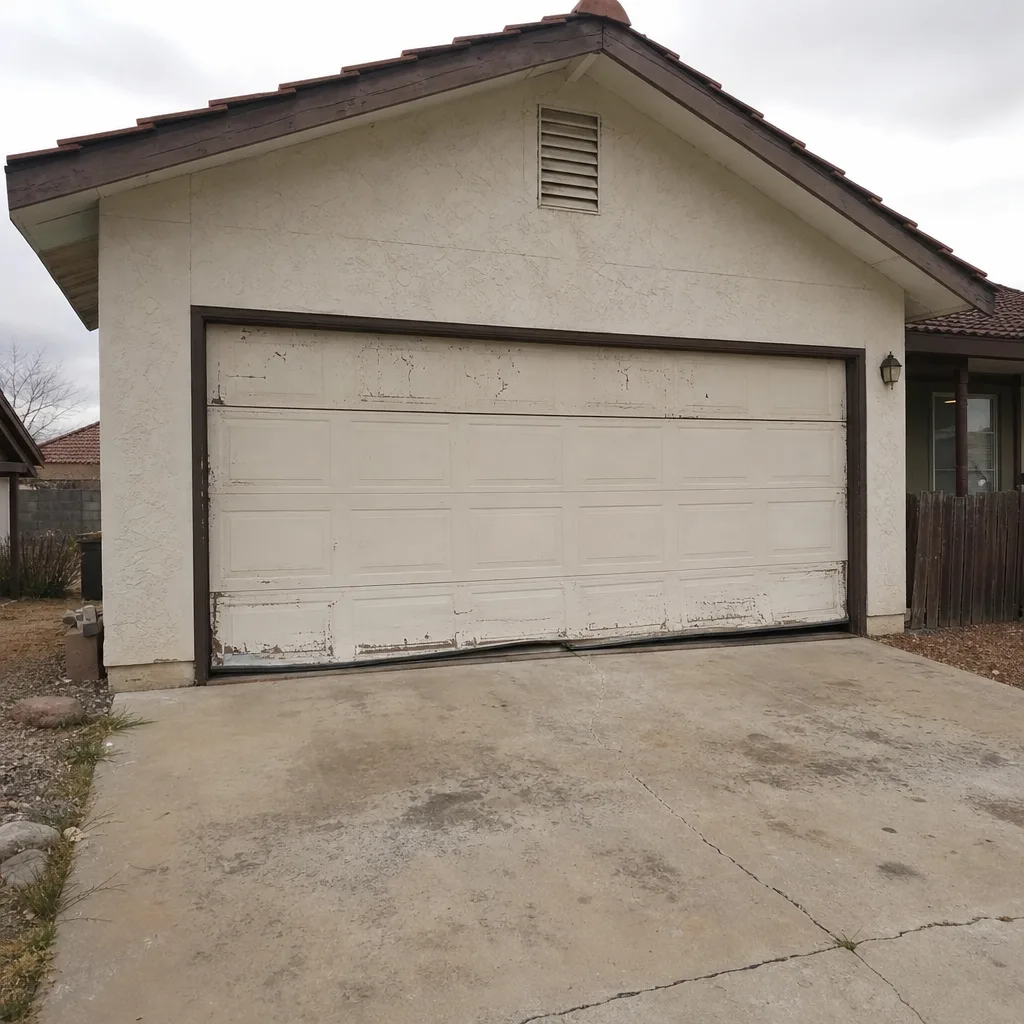 Before
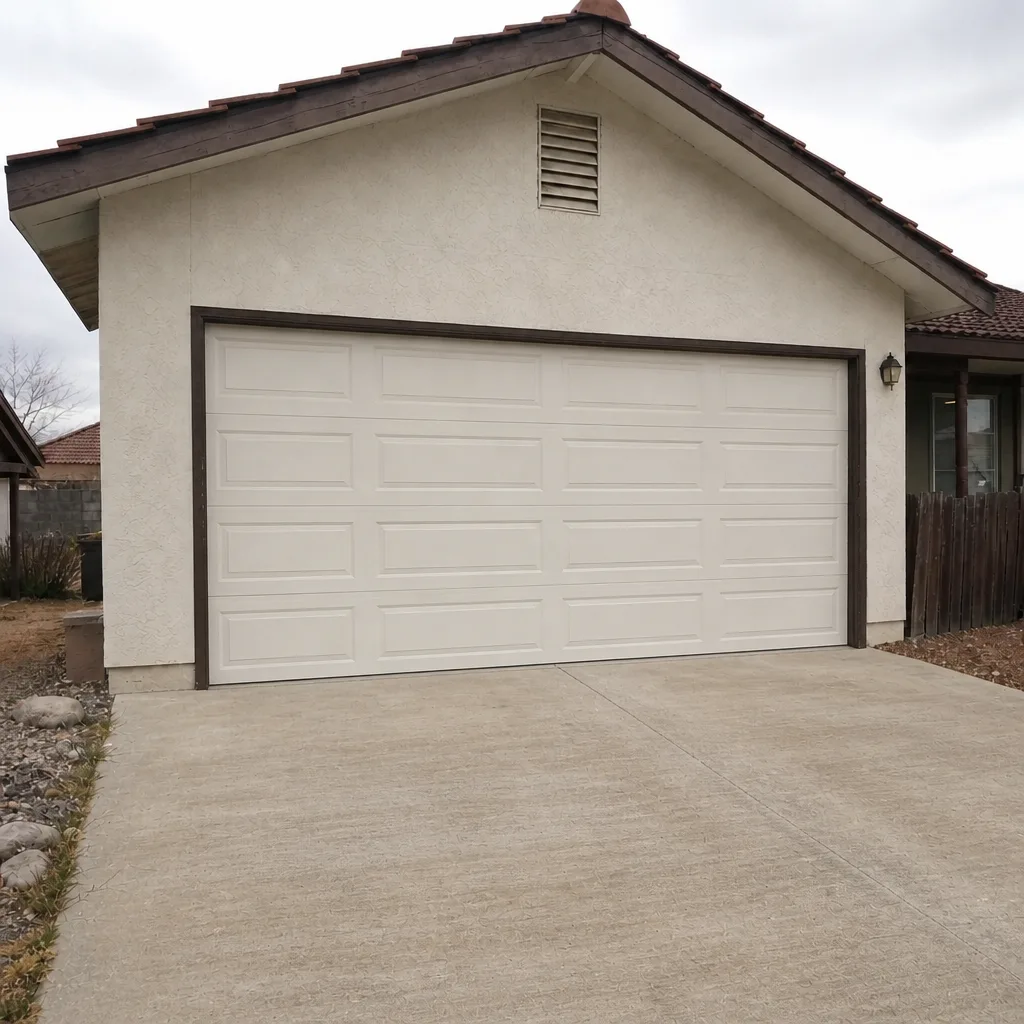 After
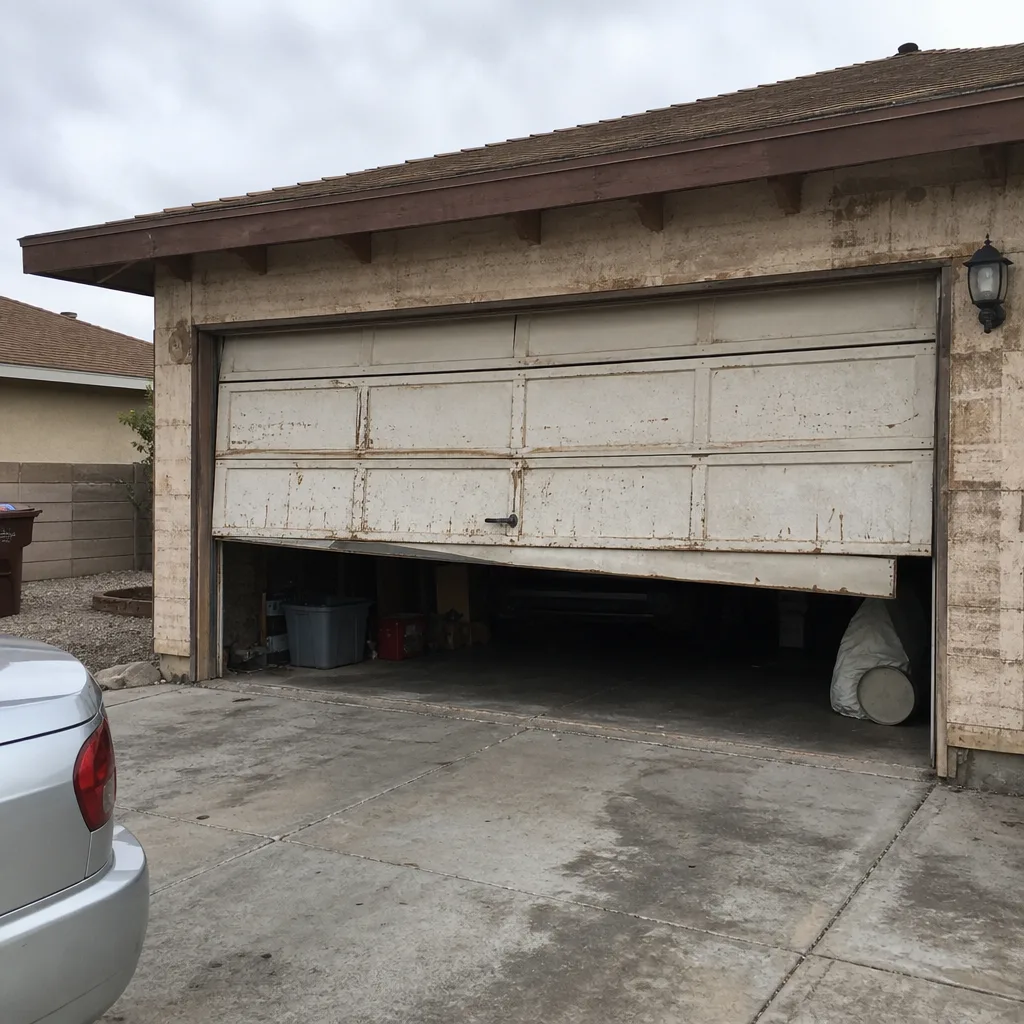 Before
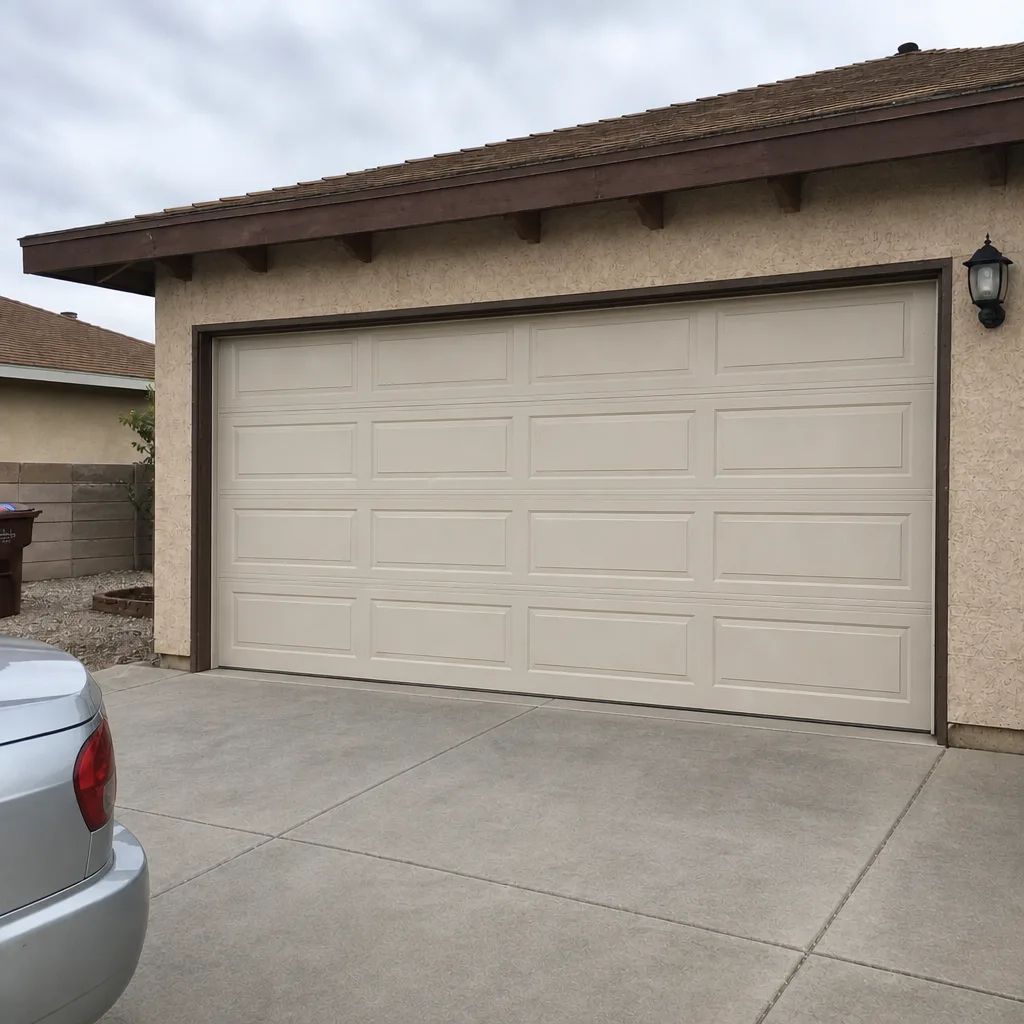 After
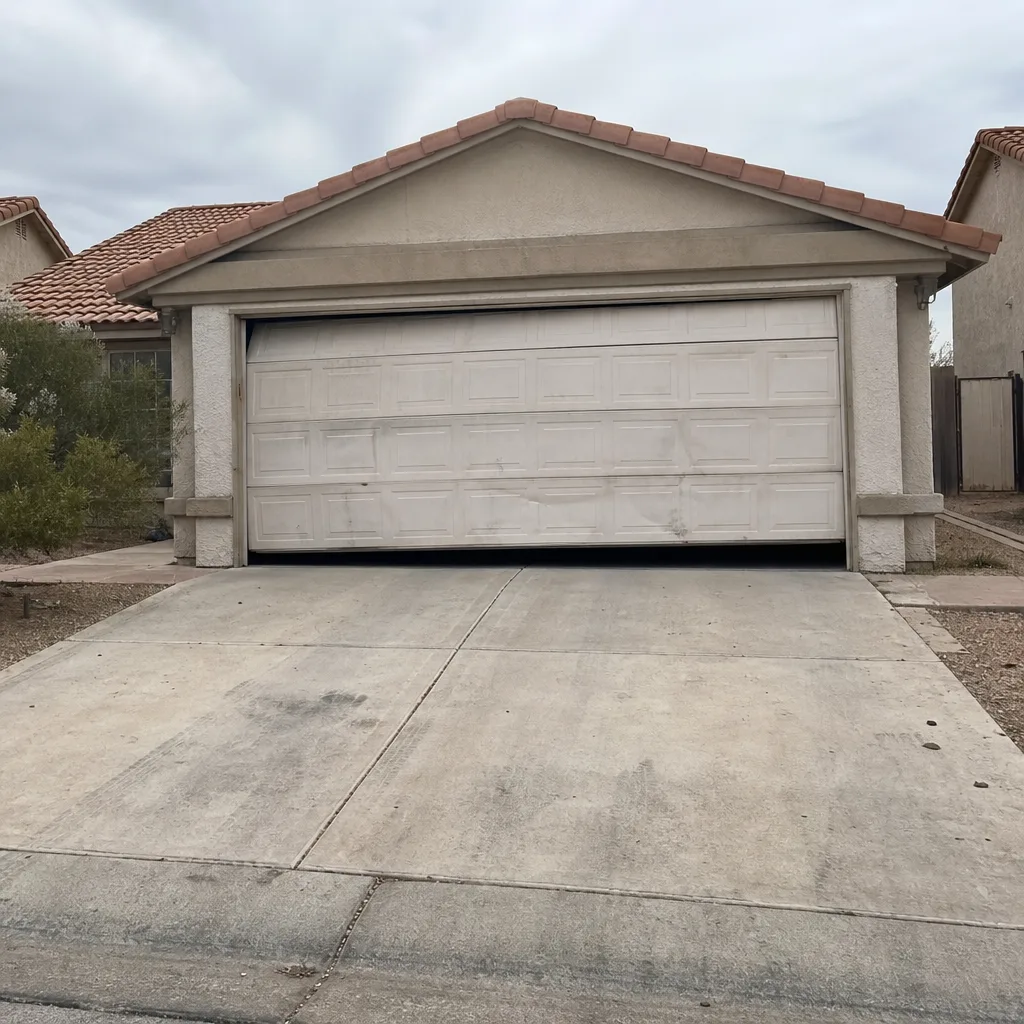 Before
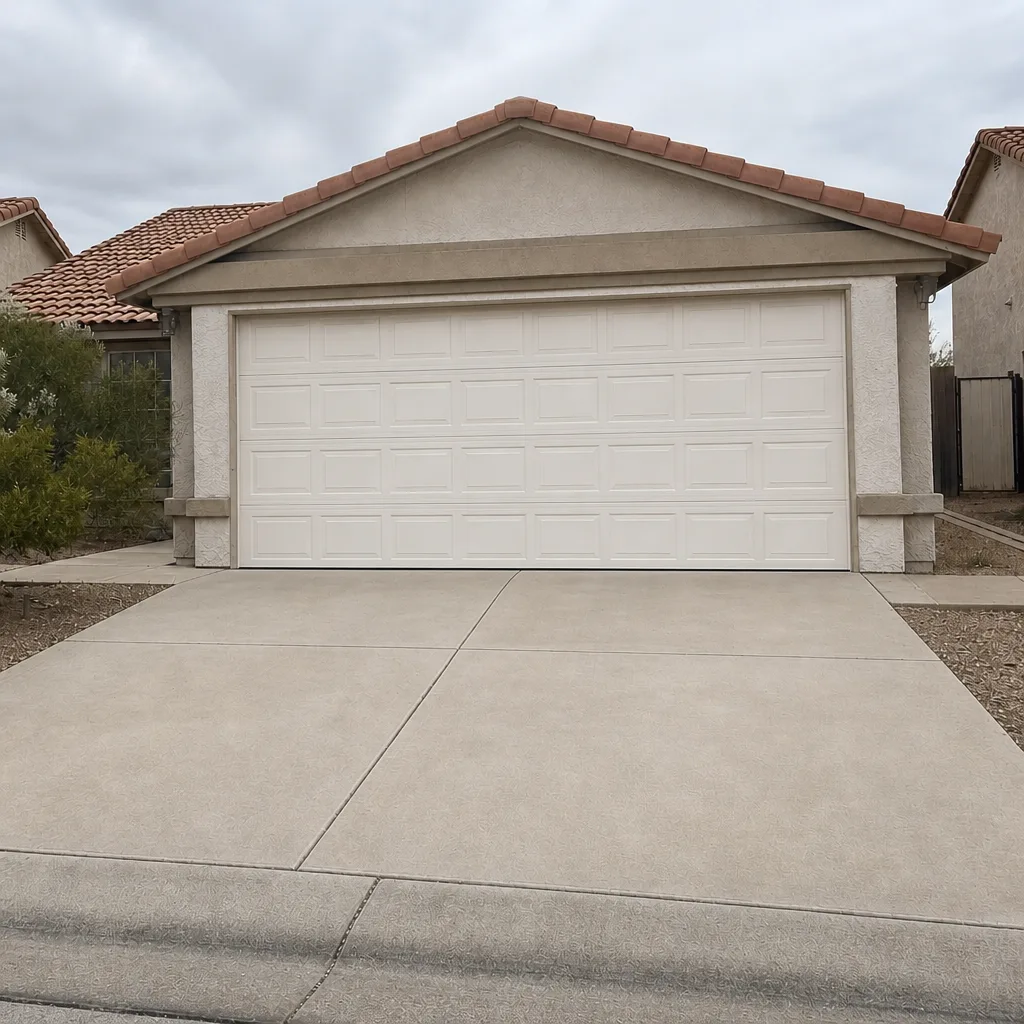 After
Frequently Asked Questions
No – replacing a torsion spring yourself is not safe, because a fully wound spring stores roughly 100 foot-pounds of torque and improvised winding bars are the leading cause of spring-related injuries. Extension spring replacement is lower energy but still not safe without proper training and a secured door. The safe DIY tasks are lubrication, inspection, cycle counting, and balance testing.
Most torsion spring replacements in Boulder City run $150-$280, parts and labor included, with pair replacement typically on the higher end. Cable-off-drum repairs run $95-$175. A written price is agreed before any work starts, and estimates are free – call (844) 560-4479 for an exact quote.
Yes – spring repair is one of our same-day services, and our line is answered by a live person 24 hours a day, 7 days a week, including nights and weekends. Call (844) 560-4479 with the door size and what it’s doing, and we’ll give you a real arrival window and a written price before any work starts.
No – the number you’re quoted is the number on the invoice. The written price is delivered before any work begins, so the technician has to look at the door and confirm the scope before we quote. If the job turns out to need more than expected, that’s discussed and re-agreed in writing before the work continues.
Yes – every Bramwell technician is background-checked, arrives in uniform within a stated arrival window, and works to the same Kingswell standard at every independently owned and operated location. Every repair is backed by the 365-Day Done Right Promise and a written guarantee.
Standard torsion springs are rated for about 10,000 cycles, which works out to roughly seven years for a family that opens the door four times a day. In Boulder City’s desert climate, the wide seasonal temperature swings and wind-blown dust shorten that. We recommend lubricating every six to eight months here rather than once a year to extend life.
The Bottom Line
The DIY-vs-professional question on spring repair is really a question of which tasks you’re willing to do yourself. Lubrication, visual inspection, cycle counting, and balance testing are safe, cheap, and genuinely extend spring life in Boulder City. Winding a torsion spring is not – the stored energy, the failure rate on improvised tools, and the follow-on damage are a real cost. Extension springs sit in between, and the safety cable check is mandatory. If the spring has broken, is showing a coil gap, or the door is out of balance, call a professional. The professional price is often lower than the true DIY cost once tools and risk are counted, and the written guarantee is the piece no DIY replacement can offer. Bramwell Garage Door Repair Boulder City is ready seven days a week – call (844) 560-4479 for a free estimate and a written price before any work starts.
Written by the team at Bramwell Garage Door Repair Boulder City.