
Last updated November 18, 2026
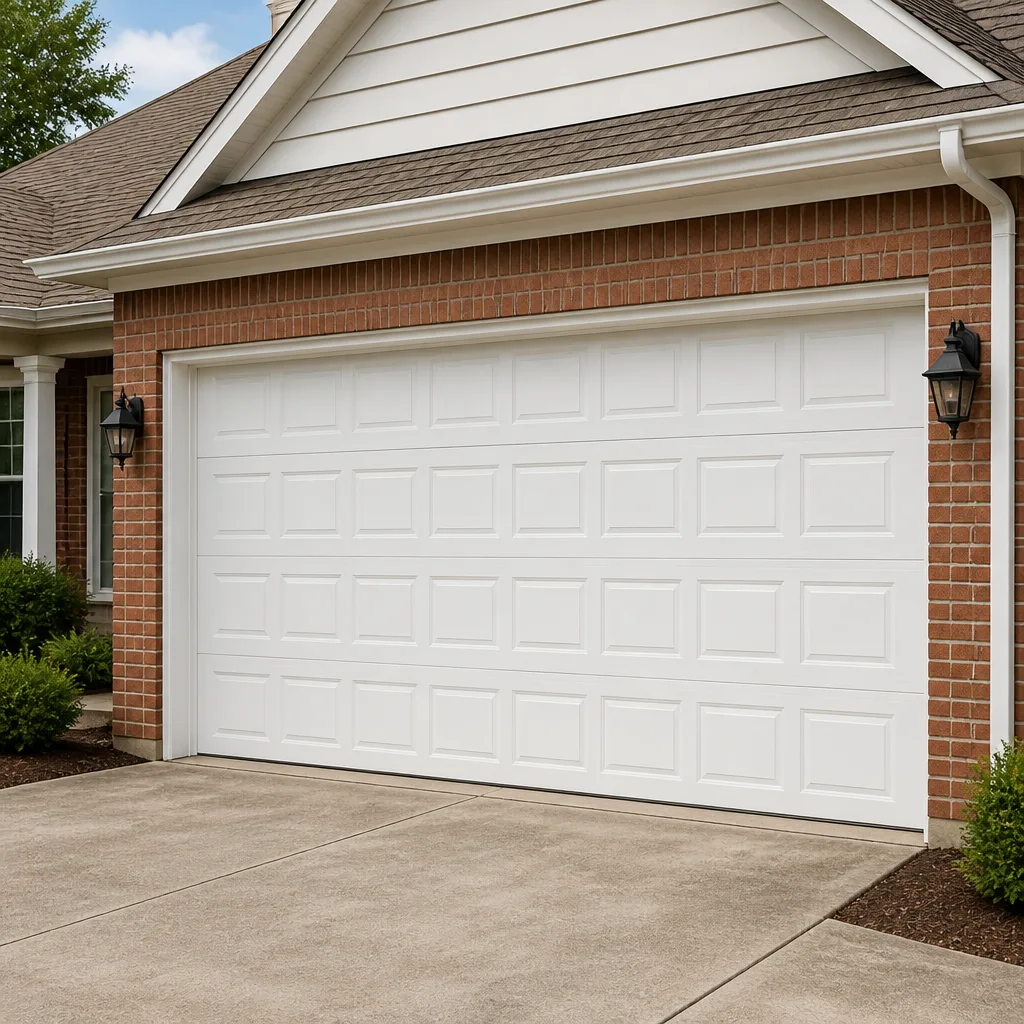 Raised-panel steel
 Carriage house
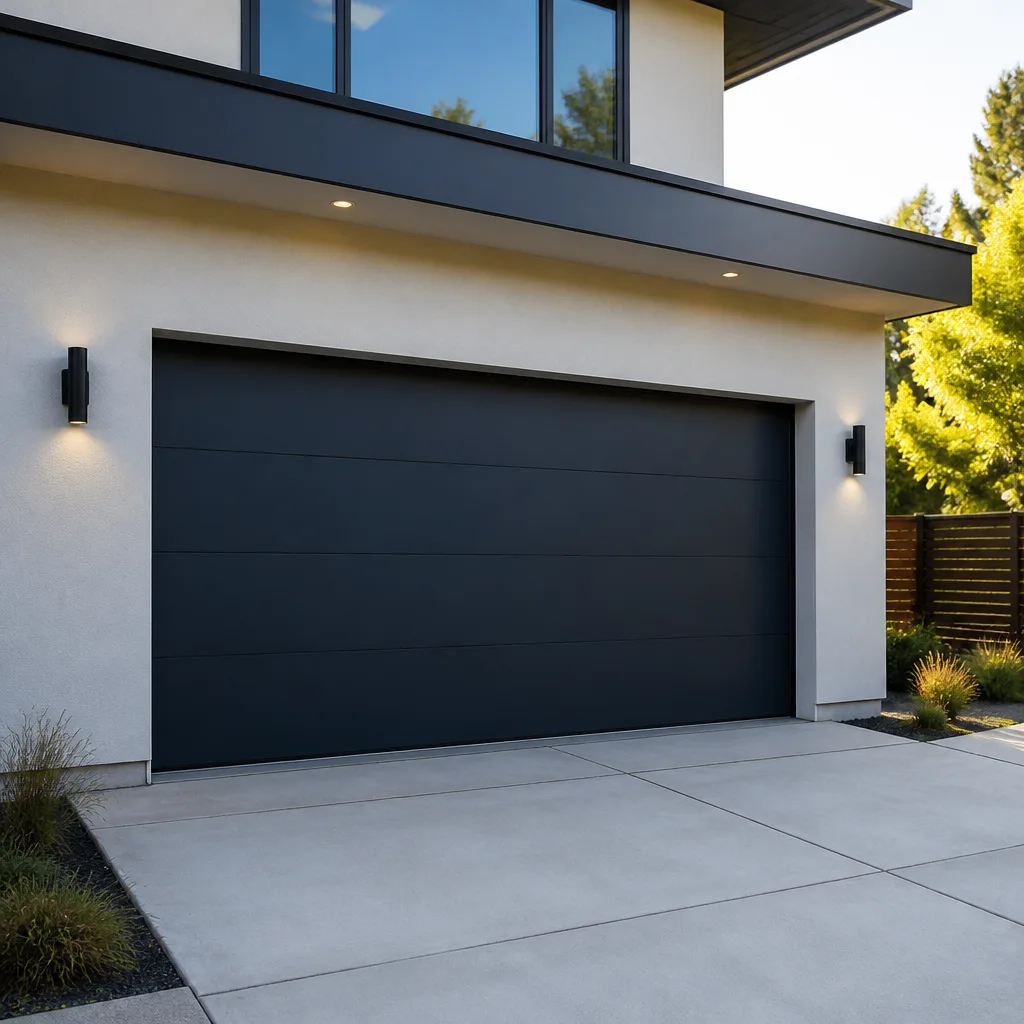 Modern flush
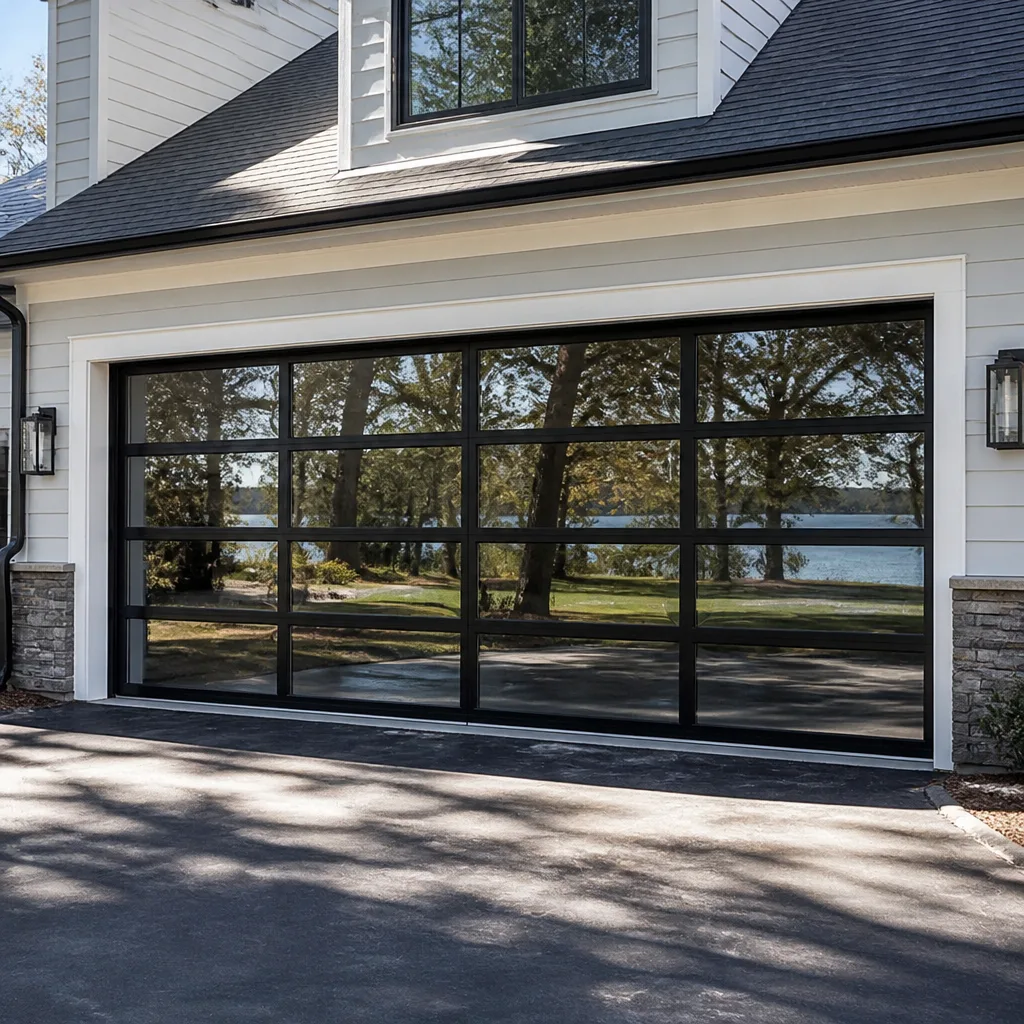 Full-view glass
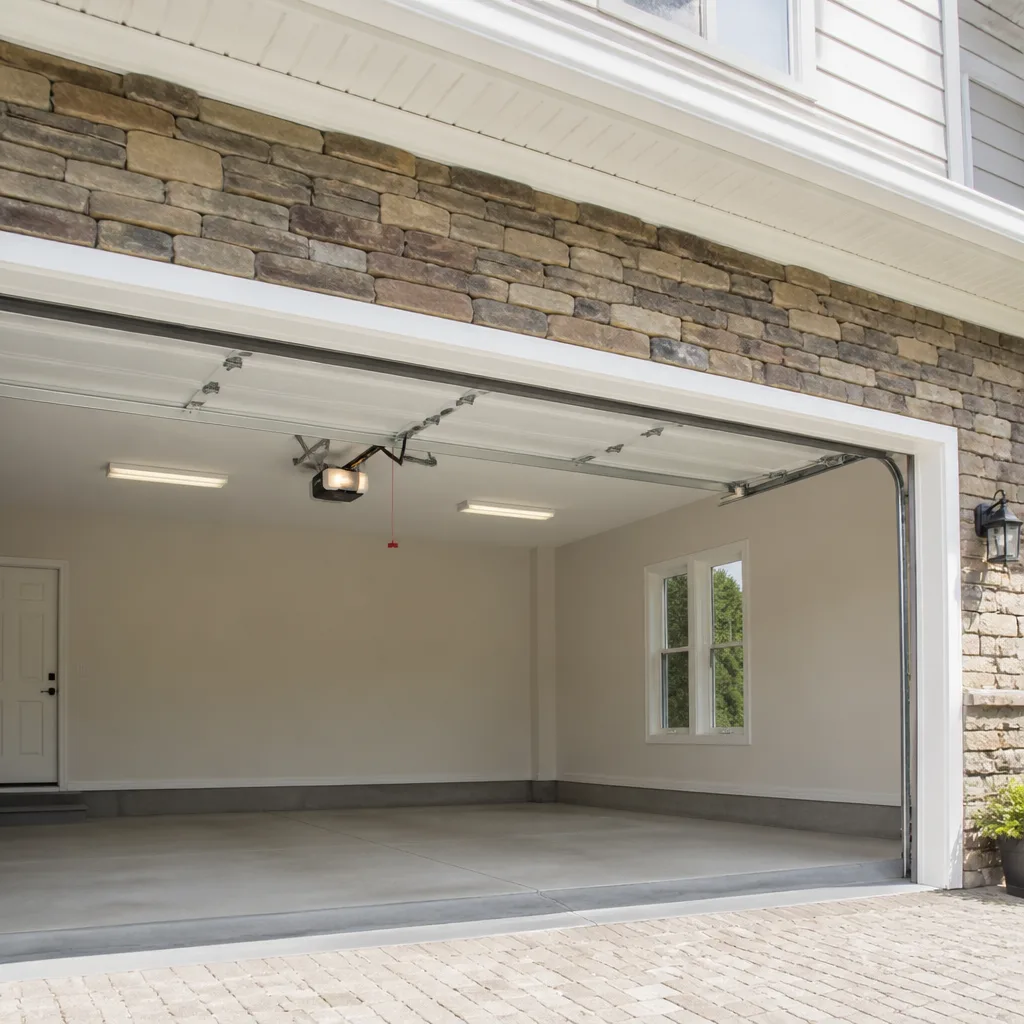 LiftMaster openers
 Chamberlain openers
Full 25-point door and opener safety check with every visit - springs, cables, rollers, tracks, and your LiftMaster or Chamberlain opener included
You get a price before we start. It does not change when the pro arrives.
Get your free estimateGarage Door Spring Repair Warning Signs Every Homeowner Should Know
The loud bang that woke the neighborhood at 6 a.m. wasn’t sudden. That spring had been broadcasting its failure for weeks, mostly through signals homeowners write off as normal old age: a slight hesitation on the way up, a louder creak at the two-foot mark, a door that settled an inch lower than it used to when closed. In our experience working across Boulder City, the springs that snap almost always warn you first. This guide decodes those sounds and movement patterns so you can schedule a repair on your calendar instead of paying for an emergency call at the worst possible moment.
Quick Answer
A failing garage door spring usually shows warning signs two to eight weeks before it breaks. The most reliable signals are uneven coil spacing on a torsion spring, a door that lifts unevenly by more than an inch, a louder or labored opener motor, and new popping or grinding sounds. If you notice any of these in Boulder City, stop using the door and have it inspected before the spring snaps under load.
Styles & brands we work with
- Raised-panel steel
- Carriage house
- Modern flush
- Full-view glass
- LiftMaster openers
- Chamberlain openers
Table of Contents
- The five sounds a dying spring makes and what each one means
- The visual gap test: the clearest sign of imminent failure
- Asymmetrical movement: when one side of the door leads the other
- The opener-strain indicator most homeowners miss
- Your 90-second monthly check from the driveway
- Why springs fail faster in Boulder City
- Repair, replace, or convert to a different spring system?
- What spring repair typically costs
The Five Sounds a Dying Spring Makes (and How to Tell Them Apart)
When a homeowner calls us and says “my garage door is making a weird noise,” we ask them to describe it. Most people can. What they usually can’t do is tell whether that sound means a quick lubrication job or a spring that’s about to let go. Here’s how to translate each sound so you can describe it clearly when you call.
- A creak is usually a lubrication issue, not a spring under stress. It tends to come from the hinges, rollers, or the torsion bar bearings, and it’s often worse in cold weather. A few drops of a proper garage door lubricant can quiet a creak. A creak alone rarely means imminent failure.
- A pop is coil binding. The spring’s coils are catching on each other as they compress and release, which happens when a torsion spring has lost its tension or taken on a slight set. Intermittent popping on a door that used to be silent is an early warning.
- A grinding sound often points to cable-drum friction, and it usually means spring tension loss is letting the cables go slack or ride incorrectly on the drum. Grinding is more serious than a creak and should be looked at right away.
- A single sharp bang is the sound of a torsion spring snapping (or, less often, an extension spring letting go). If you hear this, the door is now dead weight. Do not try to open it yourself.
- A rhythmic scrape or rub as the door travels usually means the door has gone out of track alignment, which frequently happens after a spring has weakened and let the door shift. Scraping is a symptom worth a call, not a lubrication fix.
A creak you can quiet yourself. A pop, grinding, or scrape is a reason to call for an inspection. The trade term “torsion spring” refers to the heavy coil mounted above the door that handles most of the lifting weight, and it’s the component to pay attention to.
If a spring has already snapped and the door won’t lift, our Garage Door Spring Repair in Boulder City service covers both torsion and extension systems, and a live person answers the phone so you can describe exactly what happened.
The Visual Gap Test: The Clearest Sign of Imminent Failure
You can catch a dying spring with your eyes, no tools needed, before you ever hear a sound. Stand in the driveway with the door fully closed and look up at the torsion spring mounted on the shaft above the door. On a healthy spring, the coils are evenly and tightly spaced, like a wound-up spiral with no light showing between them.
What you want to look for:
- Uniform coils – the spring is healthy and carrying its share of the load.
- A visible gap between individual coils – the spring is stretching, which means it’s losing tension and stretching closer to failure. This is the single clearest sign that a spring is about to go.
- A spring that looks stretched on one end – often a sign of uneven wear and a sign the spring has taken on a permanent set.
- Deep rust or powder on the coils – in a dry climate like Boulder City, this is less common than in coastal areas, but it still happens on doors that face the sun all day. Rust means metal loss, and metal loss weakens the spring.
The gap test takes about 15 seconds. One caveat: do it when the door is fully closed and do not touch or try to measure a spring under load. The spring stays under tension even when the door is down, and that stored energy is exactly why this isn’t a do-it-yourself job. If you see a gap, that’s a call for a professional inspection, not a call to a hardware store.
Asymmetrical Movement: When One Side Leads the Other
On a two-spring system, springs share the load. When one weakens before the other, the door starts to travel unevenly, one side leading the other. You can spot this from the driveway by watching the door’s bottom edge as it goes up. Stand square to the door, not off to the side, and watch the gap between the bottom edge and the ground on both sides.
If one side starts lifting ahead of the other by more than an inch, one spring is carrying most of the weight. Here’s why that matters:
- The opposite spring is being overworked and can fail earlier than its actual age suggests.
- The door rides against the track unevenly, which wears the rollers and can bend the track itself.
- The opener motor strains harder on every cycle, shortening its life.
- A door that travels unevenly can jam, and a jammed door under spring tension is a repair no homeowner should try to force.
In our experience, this is the symptom homeowners notice last because it happens gradually. A door that used to track smoothly can drift slightly out of line over a couple of months and feel “normal” by the time the homeowner sees it every day.
If the door is more than a little out of level or anything feels off, the safest next step is a professional inspection. Our Garage Door Repair in Boulder City technicians check spring balance, cable tension, and track alignment in a single visit.
The Opener-Strain Indicator Most Homeowners Miss
Your opener is a good tell. The motor sounds different when it’s working harder, and this is the warning sign that’s easiest to notice if you know to listen for it.
Ask yourself three questions about the door’s travel:
- Does the motor sound labored? A healthy opener has a smooth, even hum. A strained one has a grunt or a growl to it, especially at the start and near the top of travel.
- Does the door take noticeably longer to finish opening? Time it, then compare to six months ago. If the door now takes a few seconds longer to reach the top, the springs have lost tension and the motor is doing work they used to do.
- Does the door ever reverse on its own partway up, or stop short? Both can be signs the opener is hitting its force limits because the door is heavier than it should be. A Genie or LiftMaster opener with built-in force sensors will back off rather than strip its gears, but that protection has limits.
The reason this matters: an opener that spends a year lifting a door it shouldn’t have to lift won’t just wear out its springs faster, it will wear out the motor, the drive gear, and the trolley. You can replace a spring for a fraction of the cost of replacing an opener. Catching opener strain early is cheaper than replacing both.
If your opener is what you’re worried about, it’s worth having the door and opener looked at together. When it’s time for a new one, our Garage Door Installation in Boulder City service covers both new doors and new openers.
Your 90-Second Monthly Check From the Driveway
The best guard against an emergency repair is a short monthly routine. This is a visual and listening check you can do in about 90 seconds from the driveway, without touching the spring mechanism itself. It catches four of the five major warning signs before failure.
- Run the door once and listen. Note whether you hear a creak, a pop, a grind, or a scrape. Any new sound compared to last month is worth flagging.
- Watch the bottom edge for even travel. Stand square to the door and check that both sides lift at the same rate. An inch of lead is a red flag.
- Look at the torsion spring above the door. Check coil spacing for uniform tightness. Any visible gap between coils means it’s time to call.
- Time the full open cycle. If it takes noticeably longer than it did six months ago, spring tension is likely degrading.
- Check the rollers, hinges, and track. Look for fresh rust, bent track, or rollers that are cracked or worn flat. These are separate from the spring but often wear alongside it.
Four of these five checks catch spring problems. The fifth, the rollers and hardware check, catches the other wear items that can fail around the same time. Doing all five takes less time than a coffee refill.
If a check finds a problem, call before you use the door again. Starting from our Bramwell Garage Door Repair Boulder City home page, a live person will answer 24 hours a day, so you can describe what you found and book an arrival window.
Why Springs Fail Faster in Boulder City
Boulder City’s climate plays a real role in spring life. If you’ve had the same door for a decade, you’ve likely cycled through more spring wear than you’d expect in a cooler, wetter city.
- Heat and sun. Springs are rated in cycles, not years, but every extra degree of exposure adds heat fatigue to the steel. In our experience, doors that face west and bake in the afternoon sun wear springs faster than shaded doors in the same neighborhood.
- Dry air and dust. The lack of humidity slows rust compared with coastal cities, which is a genuine plus, but dry air also lets dust build up on the coils and bearings, which creates friction and quiet grinding over time.
- Temperature swing. A Boulder City summer afternoon can top 100 degrees while winter mornings dip near freezing. Steel expands and contracts with each swing, and a spring that lives through thousands of those cycles over time will show fatigue before a spring in a more stable climate.
- Wildlife and debris. Desert dust, occasional insect activity, and windblown grit all find their way into the tracks and onto the spring shaft. Debris on a spring’s coils adds friction and can cause the coil binding that leads to early pop sounds.
We see this pattern across neighborhoods close to the lake and along the more exposed parts of town: doors that sit in direct sun all day tend to show spring warning signs earlier than doors that get afternoon shade. Watch for it.
Repair, Replace, or Convert to a Different Spring System?
When a spring breaks or shows imminent failure, there are genuinely a few directions you can go. The right choice depends on the age of the door, how often it’s used, and whether one or both springs are failing.
- Replace a single spring. If one of two springs fails and the other is close in age, some technicians will replace just the failed one. We usually recommend replacing both at the same time: a spring that’s one month older is going to fail soon after the first one, and paying for two visits costs more than paying for two springs on one visit.
- Repair vs. replacement of the whole door. A spring repair is almost always the cheaper path. Replacing a full door makes sense when the panels are dented, the door is out of proportion with the opening, or the owner wants a new look. For most spring-only problems, repair is the right answer.
- Extension to torsion conversion. Older doors often use extension springs (the ones mounted along the sides). A torsion conversion moves the spring to the shaft above the door, which is generally considered a safer and longer-lived setup.
- High-cycle springs. If you use your door heavily, some door brands, like Clopay and Amarr, offer matching high-cycle spring packages rated for far more cycles than the standard spring. Worth asking about on a busy door.
Whichever path makes sense, the price is agreed before work starts. The written price you hear is the price you pay when the job is done.
What Garage Door Spring Repair Typically Costs
Most single-spring replacements run roughly $150 to $280, parts and labor included. Double-spring replacements usually fall in the $250 to $450 range. A torsion conversion for an older extension-spring door usually runs higher, and we always quote it in writing before any work begins.
| Job | Typical price range |
|---|---|
| Single torsion spring replacement | $150 – $280 |
| Double torsion spring replacement | $250 – $450 |
| Extension spring replacement | $120 – $250 |
| Torsion conversion (from extension) | Quote in writing |
| High-cycle spring upgrade | Quote in writing |
The price depends on spring size, whether we’re replacing one or both, and whether the door needs any track or cable adjustment at the same time. What we don’t do is quote a low number over the phone and raise it on the job. The written price is agreed before any work starts, and the number on the invoice is the number the customer heard. If the repair fails inside the 365-Day Done Right Promise, we come back and fix it at no charge, and that commitment is in writing.
The Kingswell Way covers all four promises: say the price before the work, show up in the window, leave the place cleaner than we found it, put the guarantee in writing. Every Bramwell location works to that same standard.
Common Mistakes to Avoid
- Ignoring a single pop. One pop can be harmless, but a repeating pop on a door that used to be silent is coil binding, and coil binding gets worse. Don’t wait for the bang.
- Trying to open a door with a broken spring. The door is dead weight after a torsion spring breaks, and it can slam down on whoever is under it. Springs and cables store enough energy to cause serious injury, so leave this to a trained technician.
- Lubricating the springs themselves. A few drops on hinges, rollers, and the torsion bar bearings will quiet a creak. Soaking the coils with oil or grease collects desert dust and makes friction worse.
- Assuming a slow door means a weak opener. A door that gets slower over months is usually telling you the springs have lost tension, not that the opener is dying. Replacing the opener first is money wasted.
- Replacing only one of two springs. The second spring is almost always close in age to the first and follows soon. One visit for both springs is cheaper than two visits.
- Taking a low phone quote at face value. A number you hear before anyone has seen the door isn’t a real price. Ask for a written price before any work starts, and make sure it covers the spring and the labor.
- Skipping the monthly check. A 90-second driveway check catches most failures weeks early. The homeowners who avoid emergency repairs are the ones doing that check.
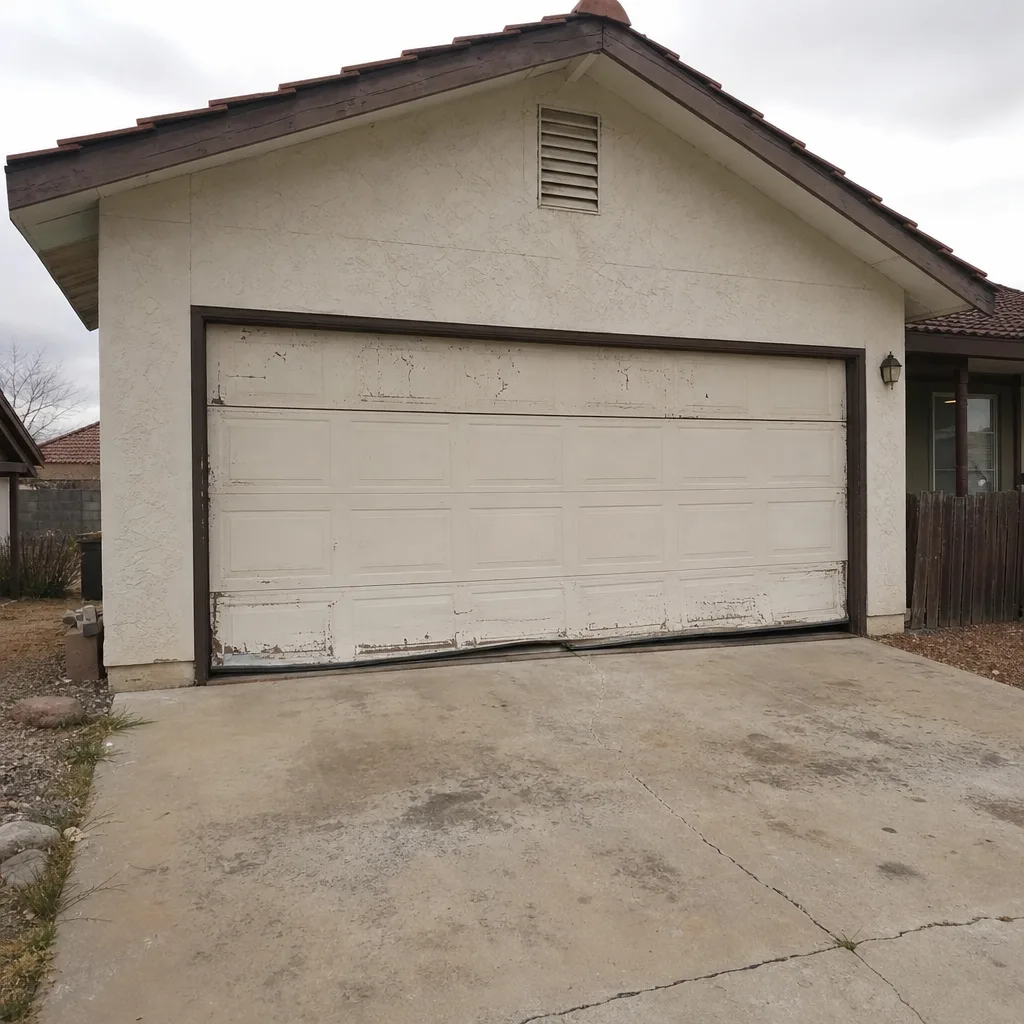
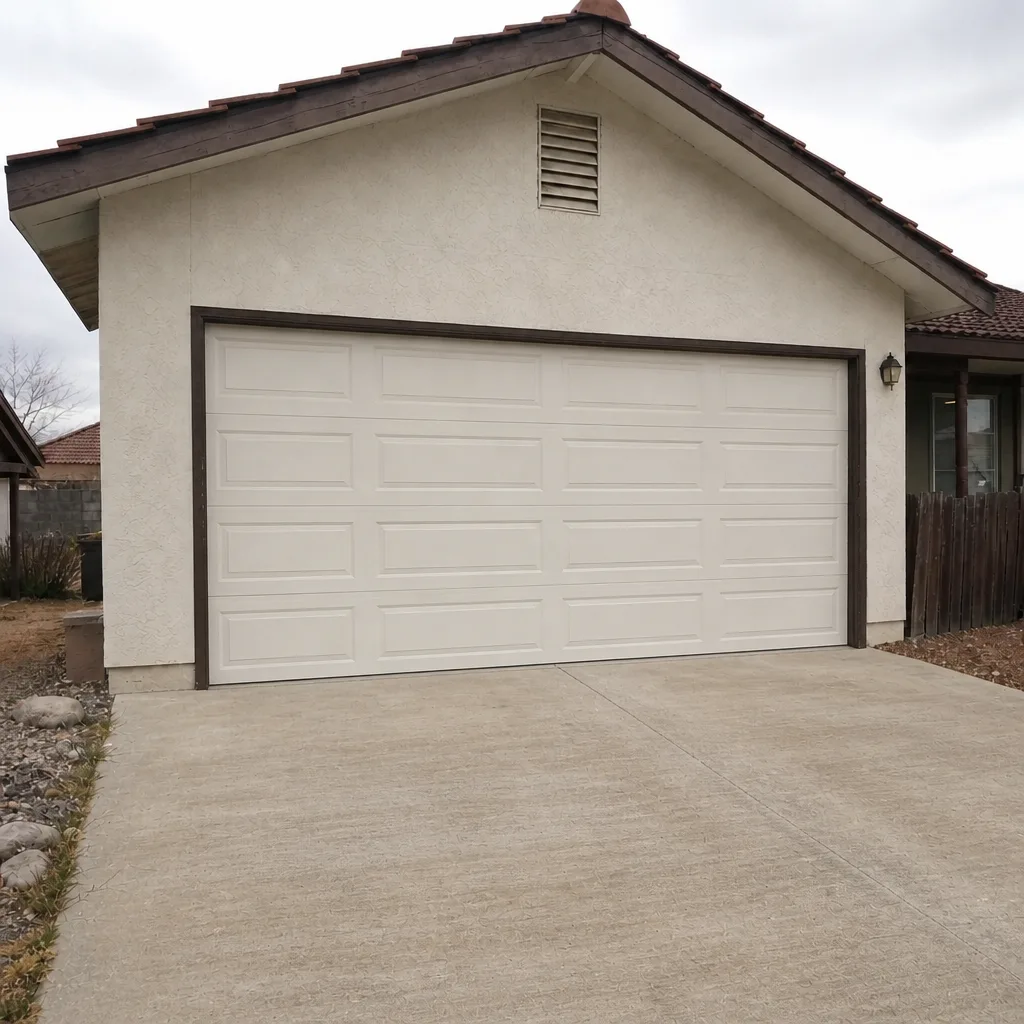
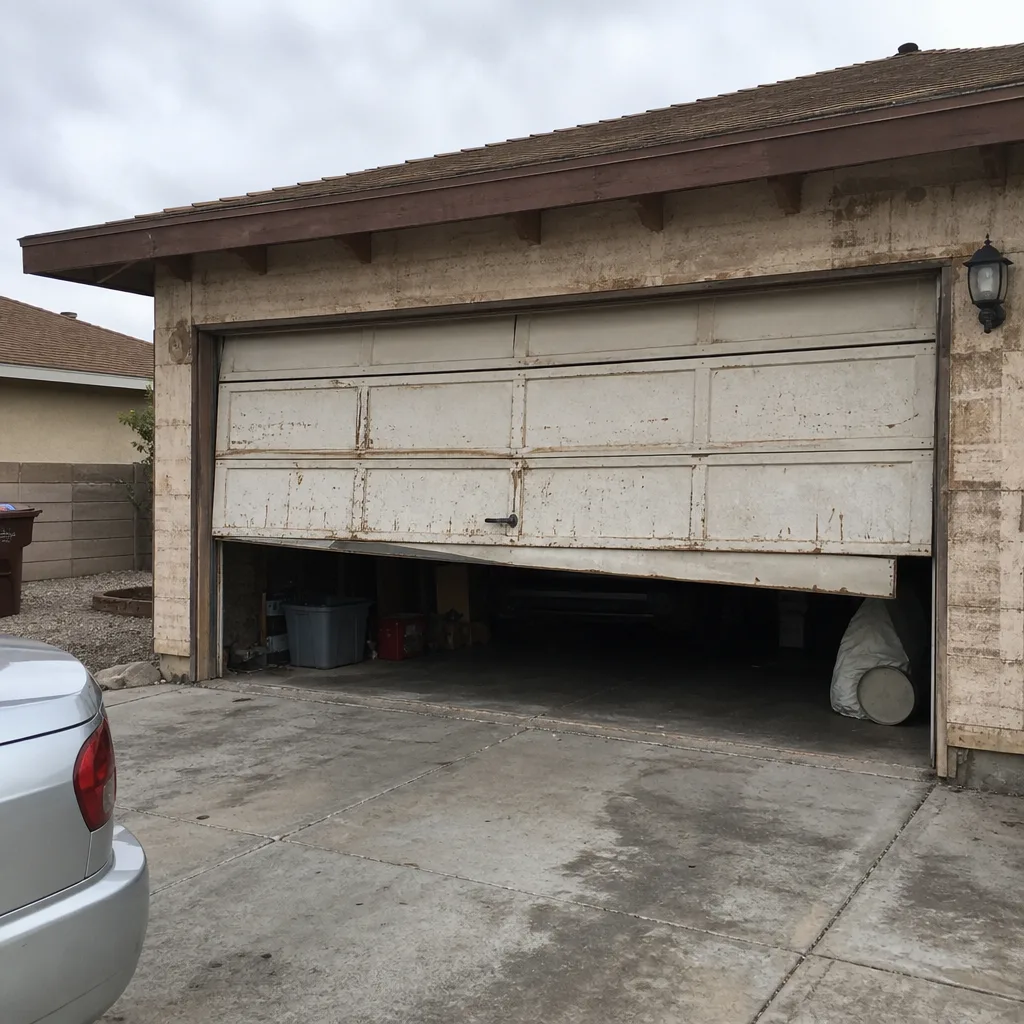
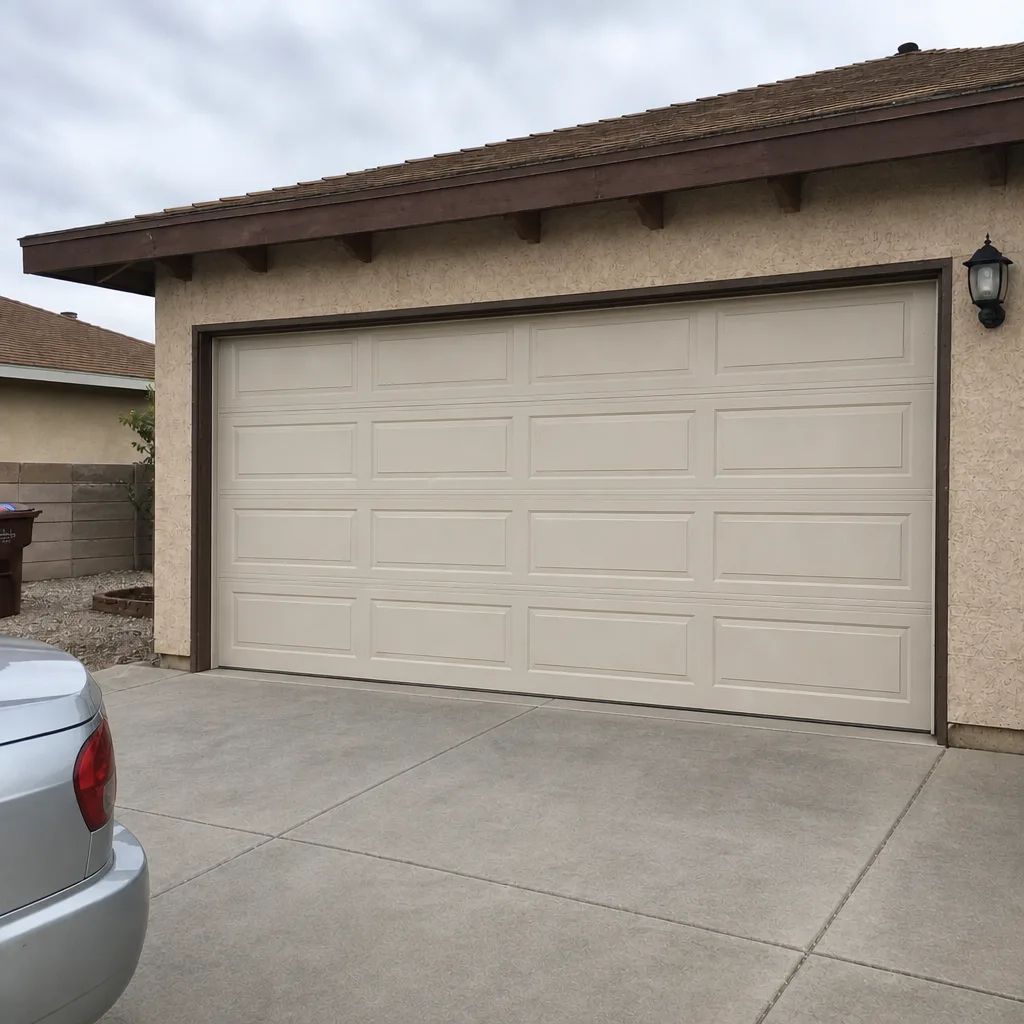
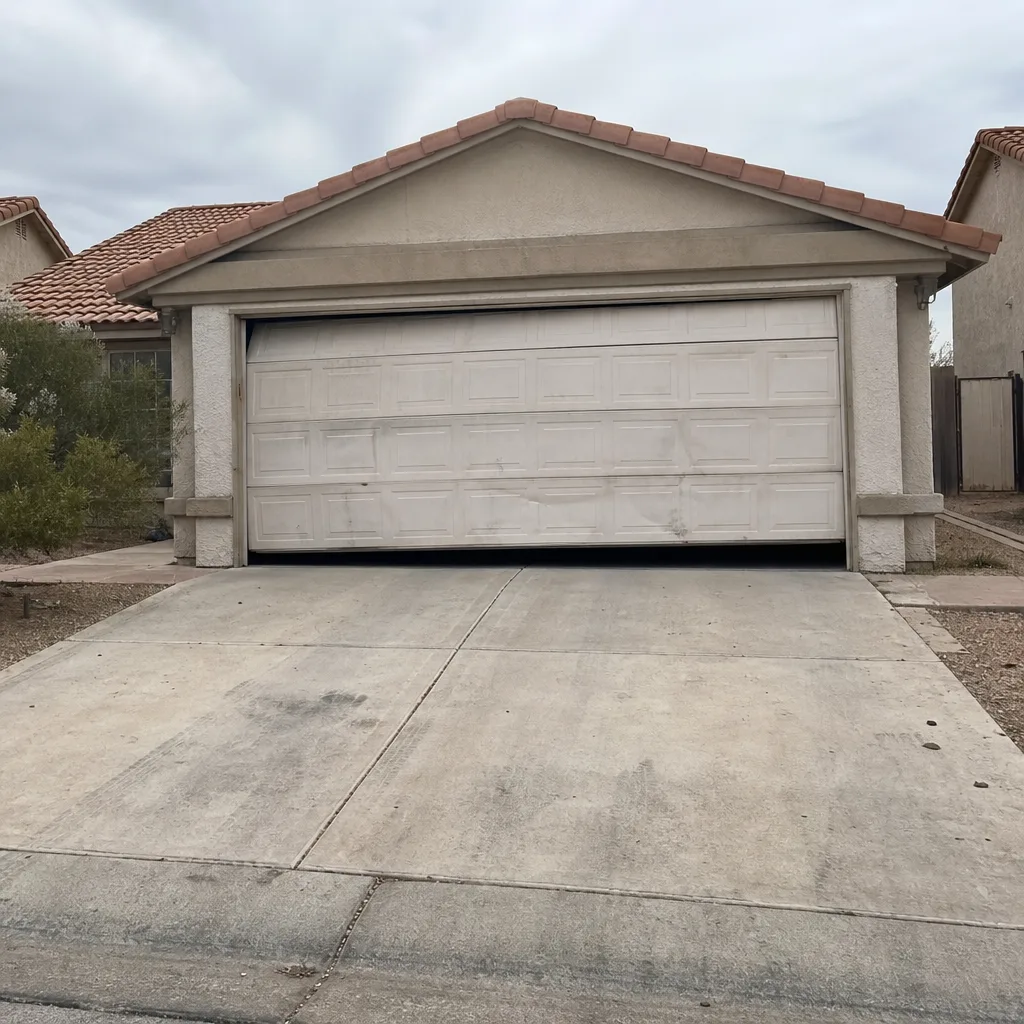
See the difference
 Before
 After
 Before
 After
 Before
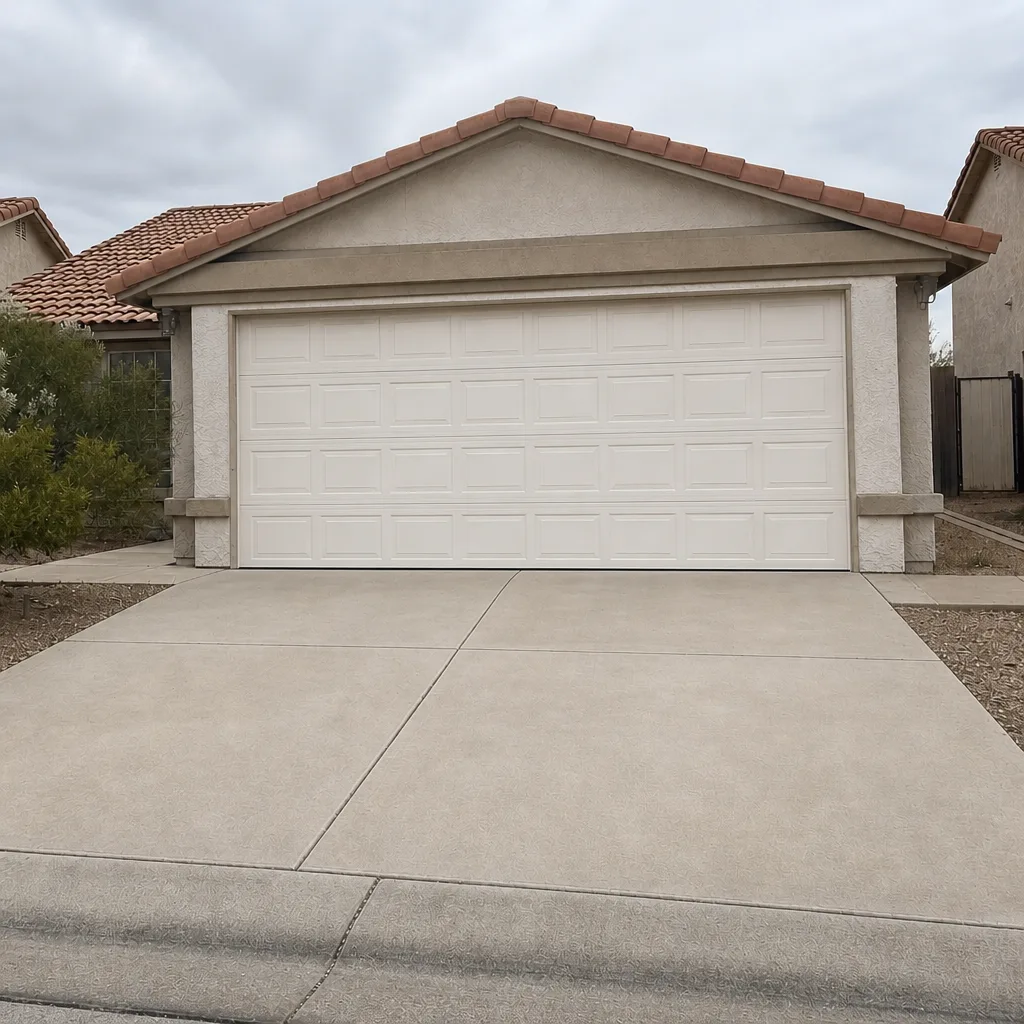 After
When to Call a Professional
Call a professional if you hear a bang from the garage, if the door won’t lift or lifts unevenly by more than an inch, if the torsion spring shows any visible gap between coils, or if the opener has started to sound labored over a period of weeks. Also call if a cable has come off a drum or if the door looks like it has dropped out of its track. These are all signs that continuing to use the door can lead to a worse, more expensive failure. Do not attempt to fix spring or cable problems yourself; the stored energy in a loaded spring can cause serious injury even when the door is closed. Bramwell Garage Door Repair Boulder City offers free estimates in Boulder City. Call (844) 560-4479, and a live person will answer. Background-checked, uniformed technicians will arrive within a stated window, give you a written price before any work starts, and back the repair with the written Kingswell Guarantee.
Frequently Asked Questions
The clearest sign is a gap between the coils on the torsion spring above the door, and that’s visible from the driveway when the door is closed. Other reliable signs are an uneven lift of more than an inch, a louder or labored opener, and new popping or grinding sounds. If you see a gap, stop using the door and have it inspected. Call (844) 560-4479 to book a free estimate in Boulder City.
A repeating pop is usually coil binding, which means the torsion spring’s coils are catching on each other as the door travels. It’s an early warning that the spring is losing tension, and it tends to get worse over a few weeks. Have it checked before the spring snaps. Call (844) 560-4479 for a free estimate.
Most single-spring replacements run $150 to $280, parts and labor included. Double-spring replacements usually run $250 to $450. The written price is agreed before any work starts, so the number on the invoice matches the number you heard. Call (844) 560-4479 for an exact quote. Estimates are free.
No. When a torsion spring breaks, the door becomes dead weight, and it can drop without warning on whoever is underneath. Springs and cables store a lot of energy, and that energy doesn’t go away just because the spring has failed. Keep everyone clear and call a professional. Call (844) 560-4479, where a live person will help you book a safe visit.
Boulder City’s summer heat, dry air, dust, and big temperature swings between winter mornings and summer afternoons all add wear to spring steel. Doors that face the afternoon sun all day tend to fail sooner than doors that are shaded. A monthly driveway check catches most of these failures weeks early.
Once a month is the right cadence, and the check takes about 90 seconds from the driveway. It catches the most common warning signs before the spring breaks. Call (844) 560-4479 for a free estimate if anything looks off.
The Bottom Line
Springs almost always telegraph their failure weeks in advance. A creak you can quiet with a bit of lubrication, but a pop, a grind, a gap between the coils, or a door that starts lifting unevenly are all reasons to stop using the door and call. The 90-second driveway check catches most of these signs early. Boulder City’s heat and dust make the monthly routine worth doing all the more. Catch the warning signs and you schedule the repair on your calendar; miss them and you pay for an emergency visit at the worst possible time. If you need help, a live person is available at (844) 560-4479.
Written by the team at Bramwell Garage Door Repair Boulder City.