
Last updated November 18, 2026
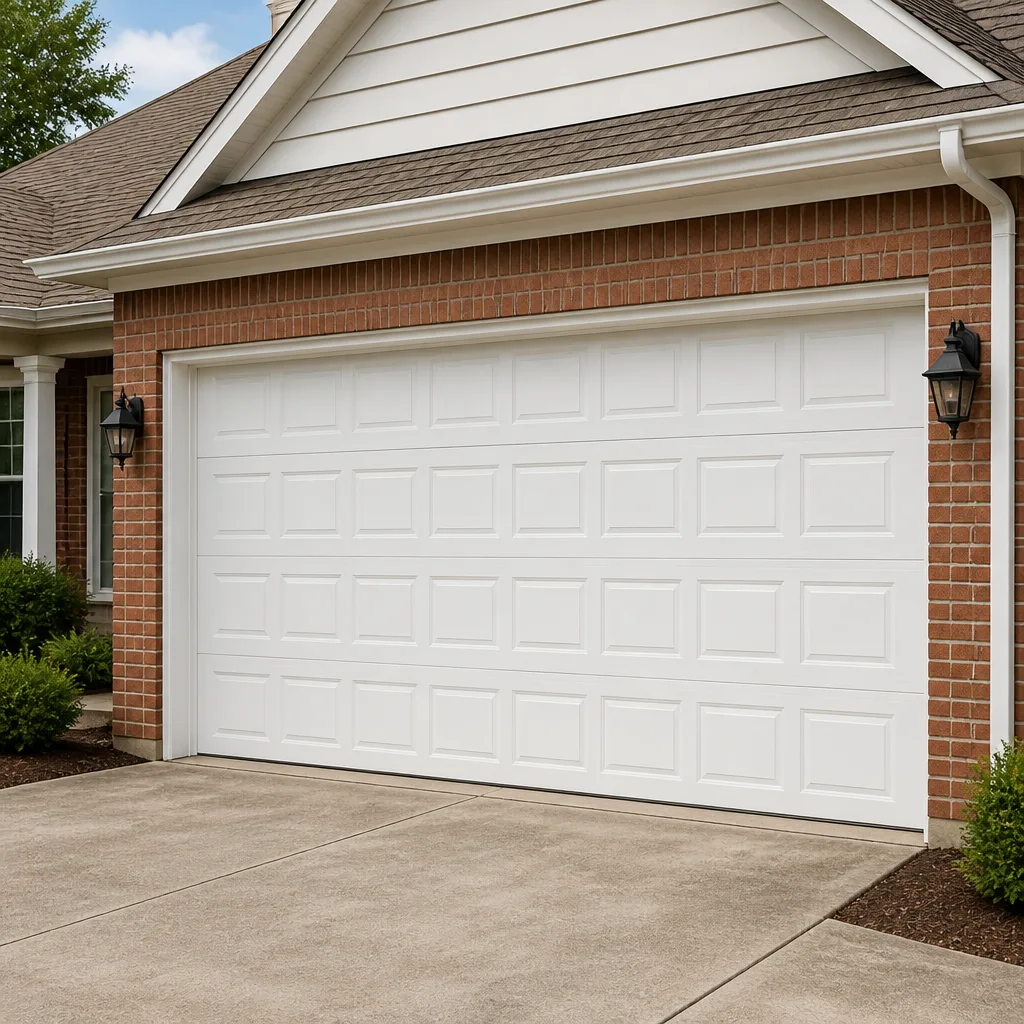 Raised-panel steel
 Carriage house
 Modern flush
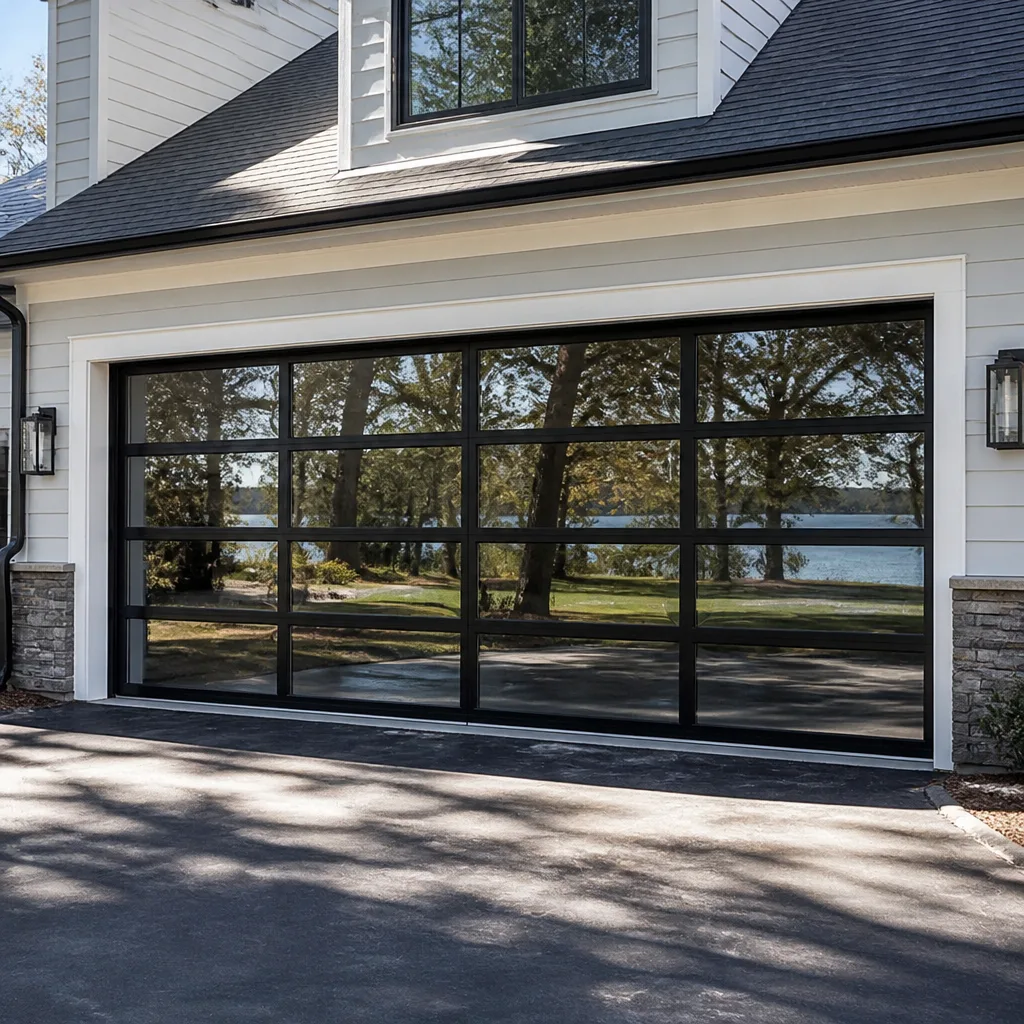 Full-view glass
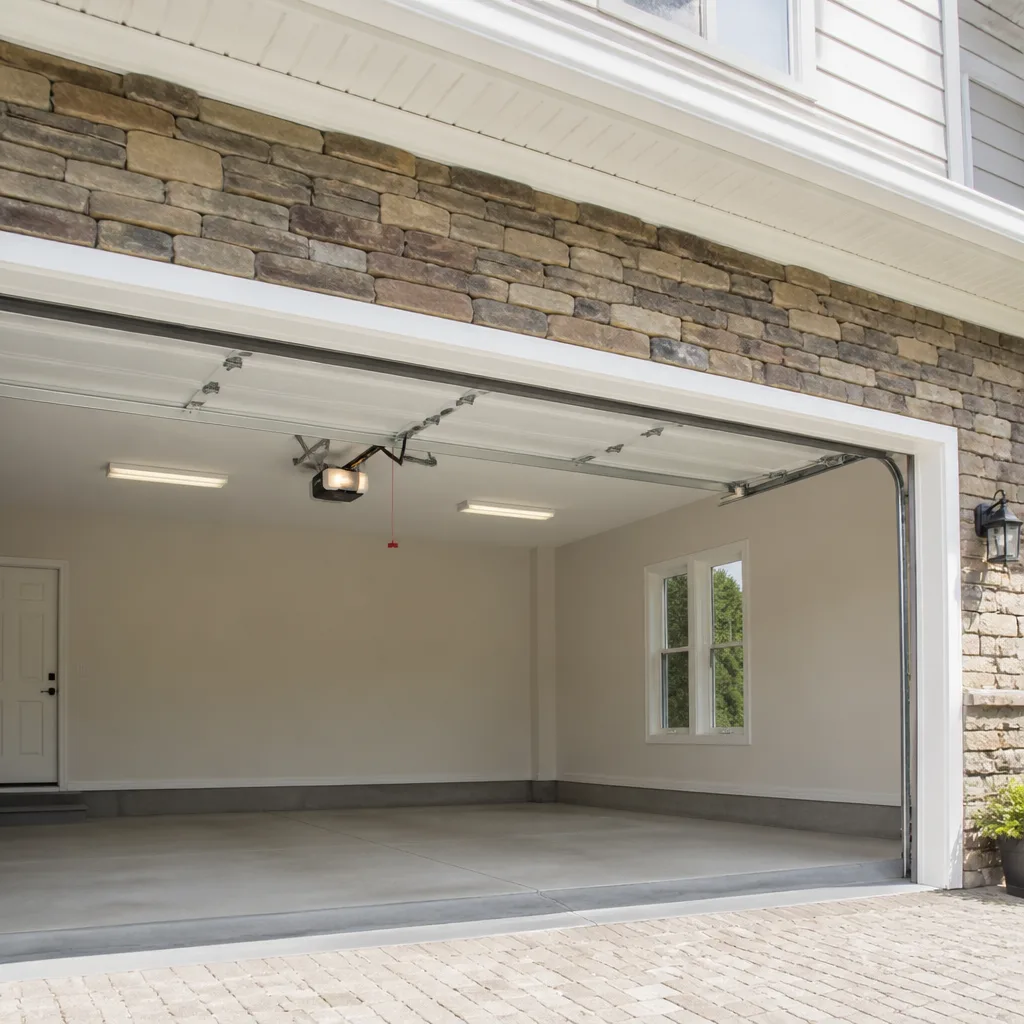 LiftMaster openers
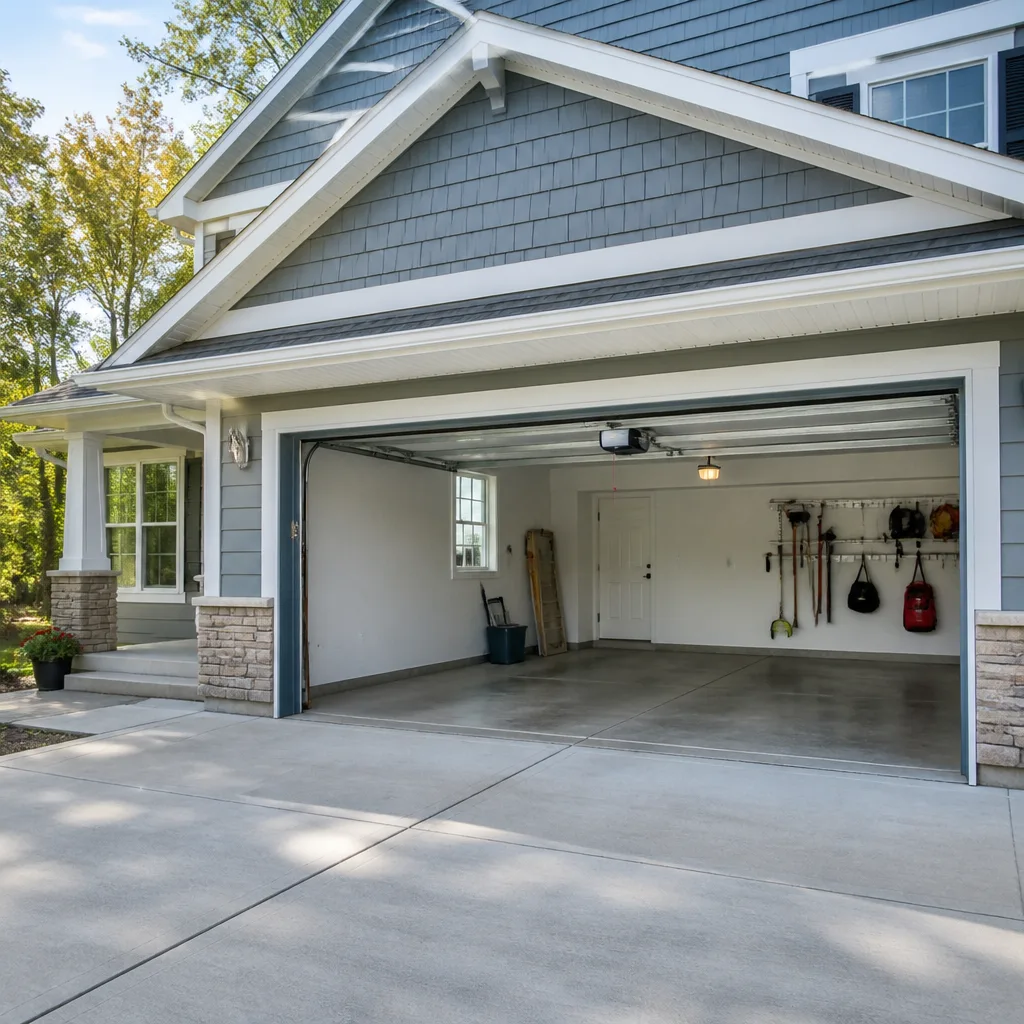 Chamberlain openers
Full 25-point door and opener safety check with every visit - springs, cables, rollers, tracks, and your LiftMaster or Chamberlain opener included
You get a price before we start. It does not change when the pro arrives.
Get your free estimateGarage Door Spring Repair Maintenance Schedule: What to Do and When
A torsion spring that gets lubricated on schedule and checked for coil gap twice a year routinely outlasts an identical unserviced spring by two to three years. That’s roughly 3,000 extra cycles on a part that costs real money to replace. Springs don’t fail out of nowhere. They fail because nobody put them on a calendar. This guide lays out a month-by-month spring maintenance schedule you can actually follow, the right products to use, how to count your door’s cycles, and how to tell when tension has drifted. It’s written from Boulder City, where desert heat and cold nights both work on the metal.
Quick Answer
Lubricate your torsion springs and hinges every six months (March and October work well in Boulder City), check the balance and coil gap at the same time, and count your cycle usage once a year to estimate how much spring life is left. Most residential springs last 10,000 to 15,000 cycles, and a simple twice-a-year routine can add two to three years to that number.
Styles & brands we work with
- Raised-panel steel
- Carriage house
- Modern flush
- Full-view glass
- LiftMaster openers
- Chamberlain openers
Table of Contents
- Why a Spring Needs a Schedule, Not a Repair Order
- The Month-by-Month Schedule
- The Right Lubricant (and the Wrong One)
- How to Count Cycles and Estimate Remaining Spring Life
- The 90-Second Balance Test
- What a Professional Annual Visit Should Cover
- Spring Maintenance in Boulder City’s Climate
- Common Mistakes to Avoid
Why a Spring Needs a Schedule, Not a Repair Order
A garage door spring is a tightly wound coil of steel that handles most of the door’s weight every time it opens. The torsion spring, mounted on the shaft above the door, twists as the door closes and unwinds as it opens. Every open-and-close is one cycle. Steel fatigues with cycles, not with calendar time, but the way you treat the metal between cycles decides how much fatigue it takes before it cracks.
Dry coils grind against each other at the gaps. Moisture finds bare steel. Rust builds a rough edge. Those rough edges are where springs break. Lubrication is the cheapest thing you can do for the most expensive part on the door.
In our experience working on doors across Boulder City, springs that get a consistent lubrication routine tell a different story at replacement time than springs that don’t. The coils look smoother. The break, when it finally comes, is often at one end rather than a shattered middle. Homeowners who keep a schedule also tend to catch tension drift and pulley wear early, before they turn into a stuck door on a 105-degree afternoon.
If your spring has already broken, none of this applies until it’s fixed. Our Garage Door Spring Repair in Boulder City page covers replacement and what it costs. The schedule below is for keeping a working spring working.
The Month-by-Month Schedule
The good news is that most of the work happens twice a year. The rest is small checks. Here’s a concrete calendar you can set reminders for.
March: Pre-Summer Service
Boulder City summers are brutal on metal. Get ahead of them in March.
- Lubricate the springs. White lithium grease or a silicone spray on the coils and the bearing plates at each end.
- Lubricate hinges and rollers. A drop on each hinge pivot, and a light spray on the roller stems (not the wheels).
- Check the torsion shaft bearing plates. Wipe them clean and re-grease. These are the small metal brackets at each end of the shaft above the door.
- Run the balance test (details below). Note the result in a phone note so you can compare in October.
- Look at the coil gap. Any gap of more than about 1/16 inch between coils on the unloaded section is a warning sign.
- Test the auto-reverse. Lay a 2×4 flat under the door and close it. The door should reverse on contact.
Every Month: The 2-Minute Check
While the door is closed, look at the spring. Is there a visible gap opening between coils? Any rust streaks? Does the door sound different than it did last month (rattle, squeal, or a grinding noise)? Those are the three things worth a glance. You don’t need to touch anything.
October: Pre-Winter Service
Boulder City nights drop fast once fall arrives, and the temperature swing puts stress on the metal. Repeat the March list, with one addition:
- Re-lubricate everything you did in March.
- Re-run the balance test and compare to your March note.
- Inspect the cables for fraying at the drums. Cables and springs wear together.
- Check the weather seal at the bottom of the door for cracking.
- Listen to the opener. A strained motor sound often means the spring has lost tension and the opener is lifting weight it wasn’t designed to lift.
Once a Year: Count the Cycles
Pick a date (a birthday, an anniversary, whatever you’ll remember) and calculate your annual cycle count. We’ll walk through how below. This is the number that tells you when to start budgeting for a spring replacement before it fails.
The Right Lubricant (and the Wrong One)
The single most common mistake we see on garage door springs is WD-40. Standard WD-40 is a solvent-based water displacer, not a lubricant. It strips the protective coating on the coil, then evaporates. Bare steel is what’s left behind. In a dry, dusty climate like Boulder City’s, bare steel is a rust magnet.
What works:
- White lithium grease in a spray can. Stays put, handles heat, doesn’t attract as much dust as petroleum grease. Best for bearing plates and the torsion shaft.
- Silicone spray lubricant on the springs and hinges. Dries to a film, doesn’t collect grit, and won’t stain the door panels.
What to avoid:
- Standard WD-40 (the blue-and-yellow can) – not a lubricant.
- Motor oil or cooking oil – drips onto the door and driveway, attracts dust, and gums up over time.
- Grease in a tub – hard to apply evenly on coils, and it catches every bit of desert dust that blows into the garage.
Two cans of the right product cost under $20 and last a couple of years. That’s the entire investment the schedule asks of you.
How to Count Cycles and Estimate Remaining Spring Life
Residential torsion springs are typically rated for 10,000, 15,000, 20,000, or 25,000 cycles. Most tract homes built in the last 20 years got 10,000-cycle springs as the standard. That rating is a service life, not a promise. You want to know where you are on that line.
Count Cycles in Three Steps
- Count your daily opens. A typical household opens the door 4 times a day (leaving and returning from work, plus a couple of errands). Families with kids, home offices, or pets often run 6 to 8.
- Multiply by 365. Four opens a day is about 1,460 cycles per year. Six opens is 2,190.
- Divide the spring’s rating by your annual number. A 10,000-cycle spring at 1,460 cycles per year lasts roughly 6.8 years from new. Add the number of years since the door was installed to see where you stand.
What That Means in Practice
If your home was built in 2015 and you open the door about four times a day, you’re approaching the end of a standard 10,000-cycle spring around 2022. That’s exactly the window where a Boulder City homeowner should be planning a replacement rather than waiting for the door to snap shut on a Saturday morning.
Our Garage Door Repair in Boulder City team has seen this pattern play out thousands of times. A cycle calculation done a year ahead of a break is what turns a $280 repair into a $180-$280 scheduled replacement with no emergency premium and no car trapped inside.
The 90-Second Balance Test
The balance test tells you whether the springs are still carrying their share of the door’s weight or whether the opener motor has quietly been doing the lifting. It takes about 90 seconds and requires no tools.
The Two Steps
- Disconnect the opener. Pull the emergency release cord (the red handle hanging from the trolley) so the door is manual. Move the door about halfway up by hand and let go.
- Watch what happens. A balanced door stays put, or drifts only a few inches. A door that drops on its own means the springs are losing tension. A door that flies up on its own means the springs are over-tensioned and the opener is fighting them.
What to Do With the Result
If the door drops more than a foot or rises more than a foot, don’t adjust the spring yourself. Torsion springs are under extreme tension even when the door is fully open, and the tools that safely wind them (winding bars) are specific to the trade. This is genuinely dangerous work. A trained technician can re-balance the door in under an hour. Note the result, re-engage the trolley, and get it on the schedule.
If the door holds roughly in place, you’re within tolerance. Reconnect the opener and you’re done.
What a Professional Annual Visit Should Cover
An annual maintenance visit for springs and the whole door system is worth it once the door is out of warranty, and it’s where a good technician earns their price. Here’s what should be on the checklist, and what shouldn’t be on the invoice.
Should Be Included
- Full balance test with the opener disconnected.
- Cycle count and spring life estimate based on the door’s age and travel.
- Inspection of both torsion springs (or extension springs, on older doors) for coil gap, rust, and end-of-life signs.
- Cable inspection at the drums and along the lift cables.
- Roller, hinge, and bearing plate inspection.
- Lubrication of the springs, hinges, rollers, and bearing plates.
- Opener safety reverse test with a 2×4.
- Photo strip or force adjustment if the opener is drifting.
- Written summary of findings before any work is ordered.
Should Not Be on the Invoice
- “Lubrication” as a separate $75 line item if the visit is a maintenance call. Lubrication is part of the visit.
- Hard-sold replacement springs on a 3-year-old door with 4,000 cycles on the counter, unless the technician can show you a visible problem.
- Parts marked up beyond a normal trade margin (roughly 15-30% over retail is standard).
- “Tune-up” bundles that don’t actually include the balance test or a printed report.
You should know the price before the work starts and get the guarantee in writing. The Kingswell Guarantee works exactly that way, and every Bramwell location operates under it. Ask any company you call for the same thing.
Spring Maintenance in Boulder City’s Climate
Boulder City sees temperatures above 100°F for weeks at a stretch in July and August, then drops into the 40s on winter nights. That swing happens on the same piece of steel twice a year.
Heat expands the metal and softens the lubricant film. Cold contracts it. The coils do more work in the transitional months (late April, late October) than they do in the middle of a season. If you’re going to miss a lubrication date, don’t miss the October one. Going into winter with dry coils is what lets rust set in as the temperature drops and morning condensation collects on the metal.
The dry desert air also pulls fine dust into every hinge and roller. That’s why we recommend silicone spray on the spring and hinge areas rather than grease. Grease catches dust and turns it into a grinding paste. Silicone dries clean.
Boulder City homes near the lake tend to have higher humidity in the spring, and those garages are the ones where rust pits show up fastest. If you’re west of the historic district, near the water, plan on checking the coils for surface rust every March instead of waiting for a rust pit to form.
When a spring does break, it’s usually on the first cold morning after a long hot summer. That’s the pattern. A scheduled March lubrication and a scheduled October check covers both ends of that cycle.
Common Mistakes to Avoid
- Using standard WD-40 on the spring. It strips the protective coating and evaporates, leaving bare steel. Use white lithium grease or silicone spray instead.
- Lubricating the roller wheels. Lubricate the roller stems, not the wheels. Grease on the wheels makes them slide inside the track instead of rolling, and the door gets harder to open, not easier.
- Skipping the balance test. A door that’s slightly out of balance puts the extra force on the opener motor, and the motor fails first, which is the more expensive repair.
- Winding or adjusting the torsion spring yourself. The coils are under tension that can injure a hand or worse if the winding bar slips. The tool is specific and the technique matters. This is professional work.
- Assuming a new house means new springs. Builders install whatever spring meets the code minimum. A Boulder City tract home from 2019 might have a 10,000-cycle spring and be at 40% of its service life already.
- Ignoring a broken spring and running the opener anyway. The opener motor will try to lift the entire door weight and either strip the gear or burn out. Stop using the door.
- Calling for a repair without asking for a written price in advance. Ask any company you call to name the price before work starts, in writing. If they won’t, call a different company.
See the difference
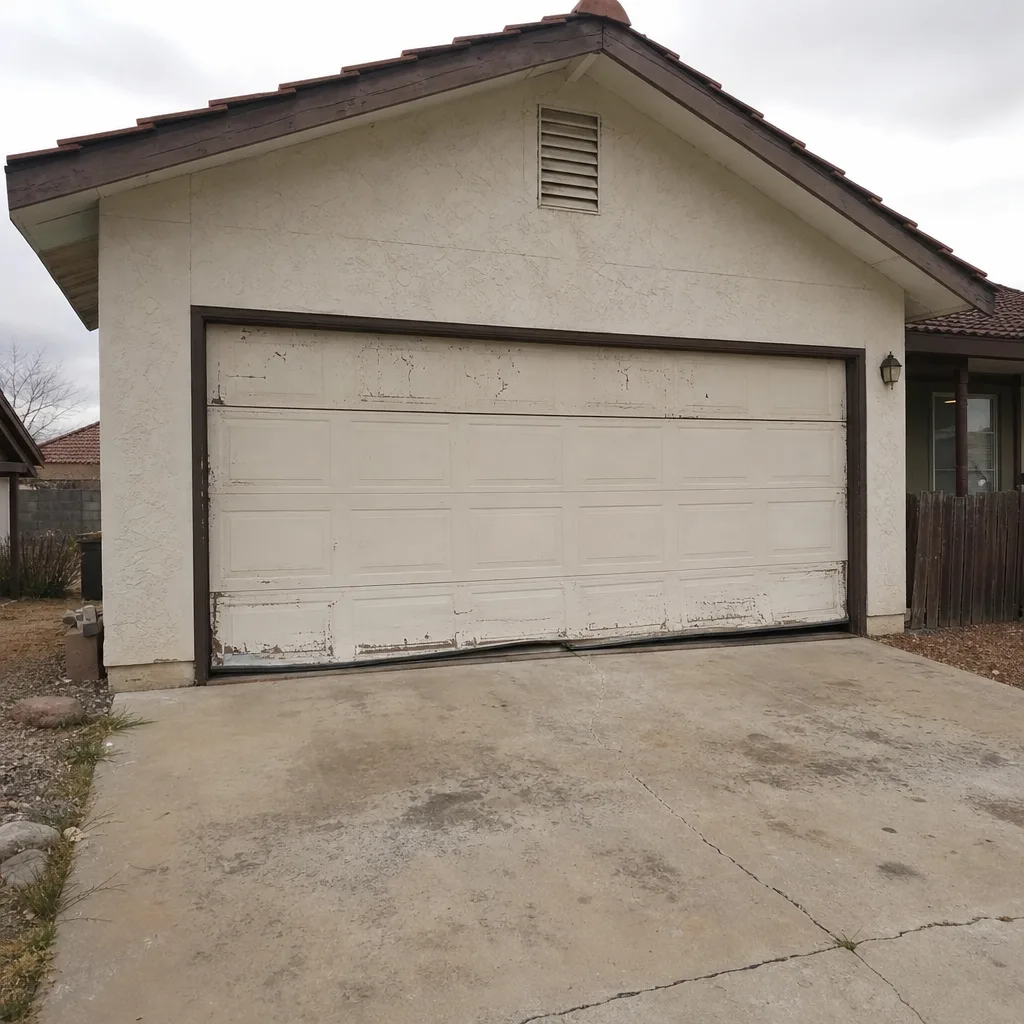 Before
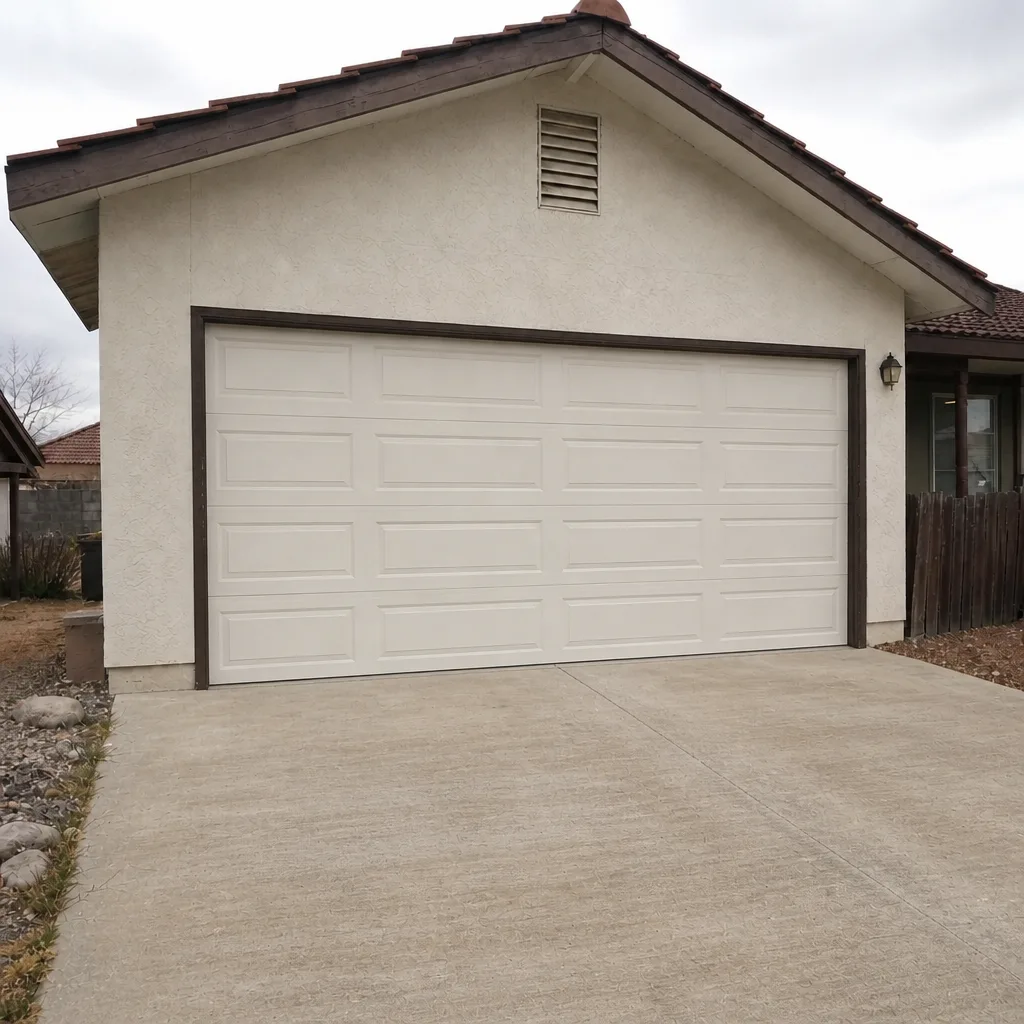 After
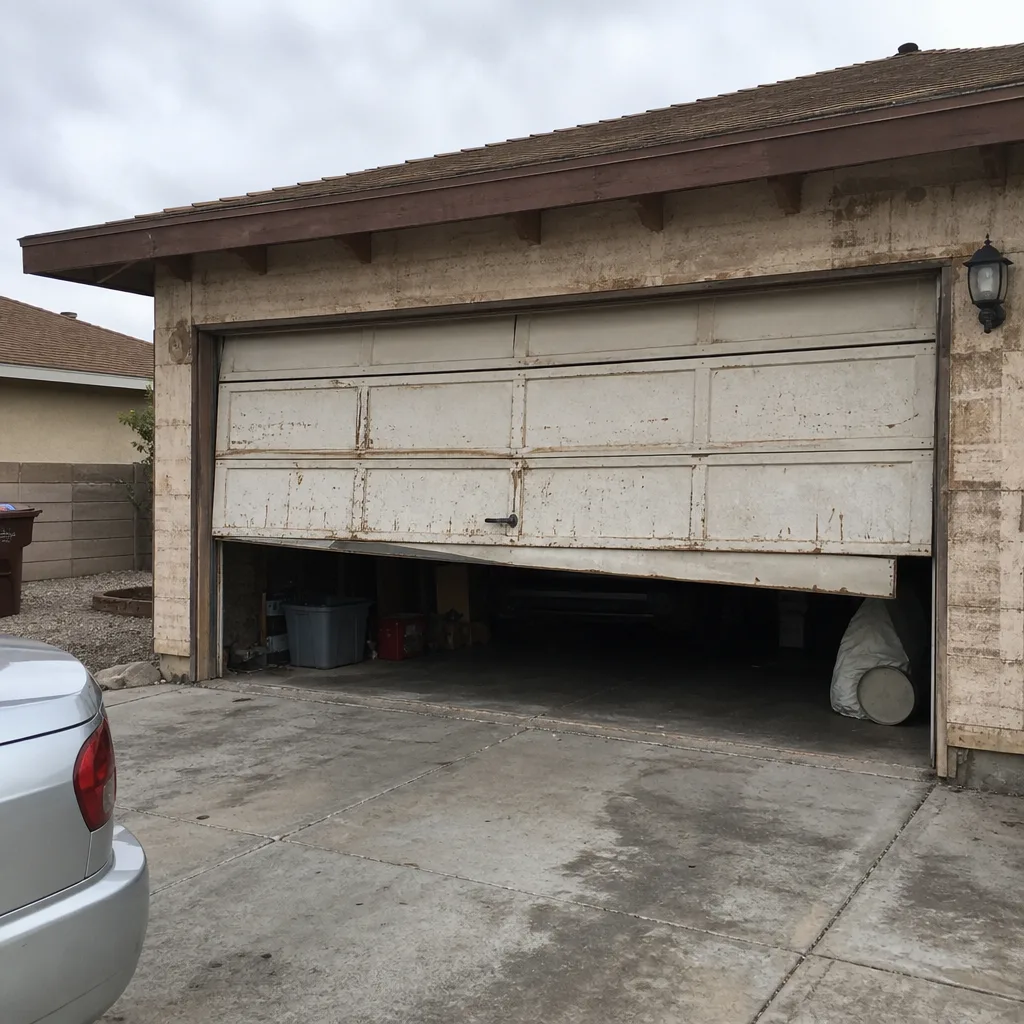 Before
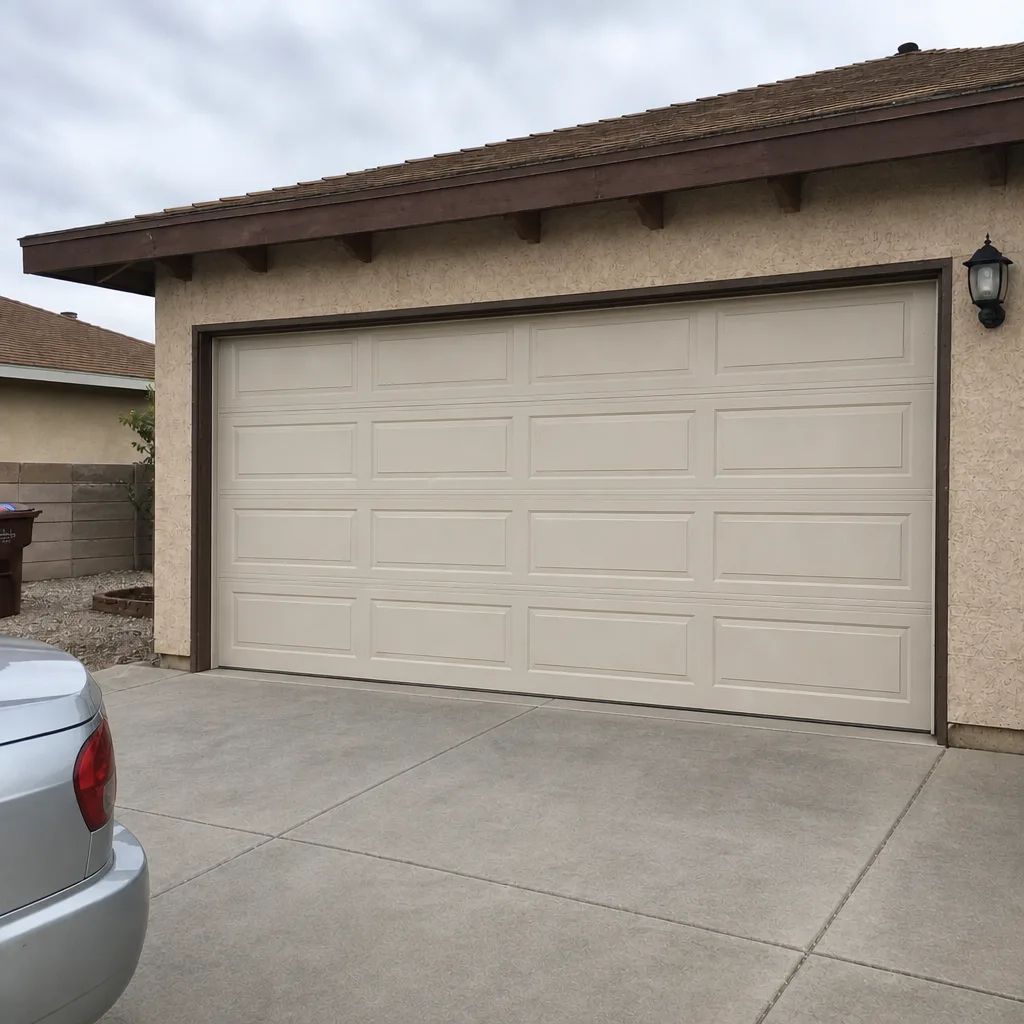 After
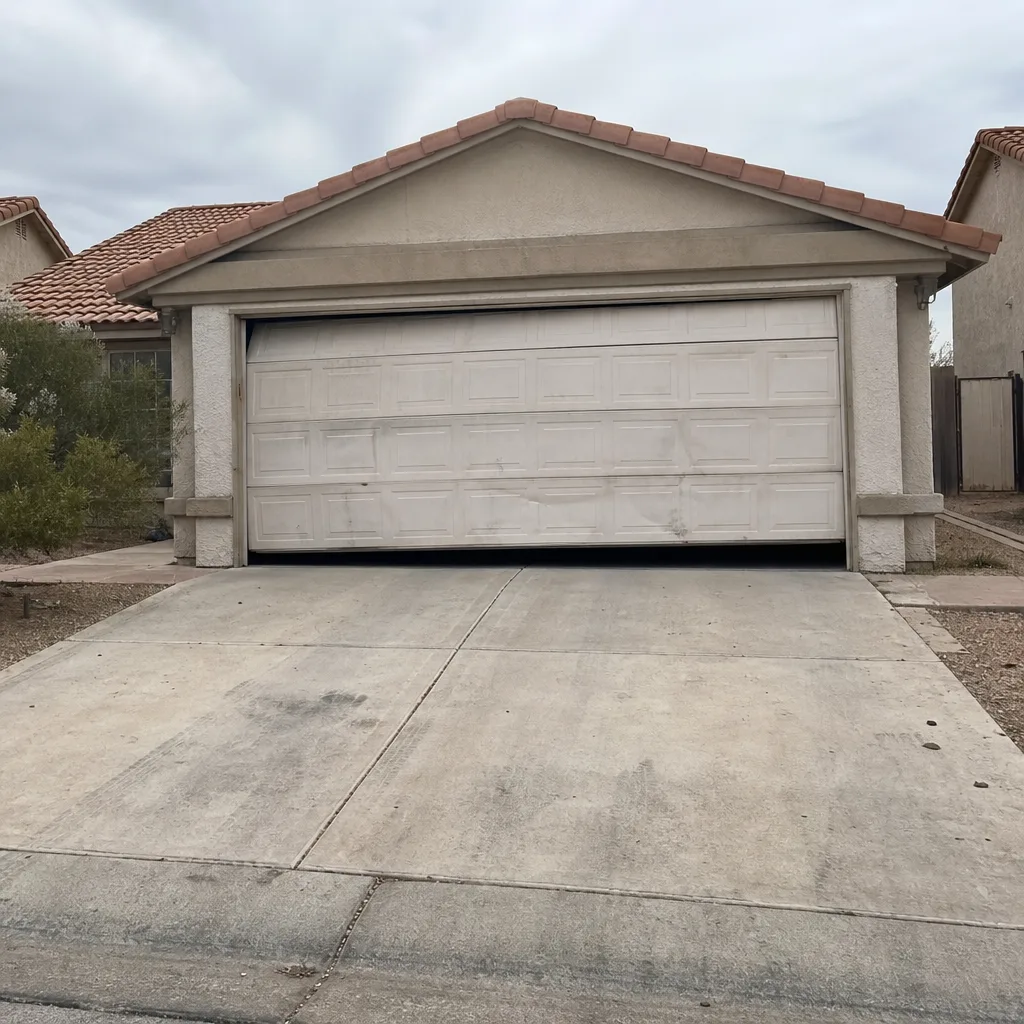 Before
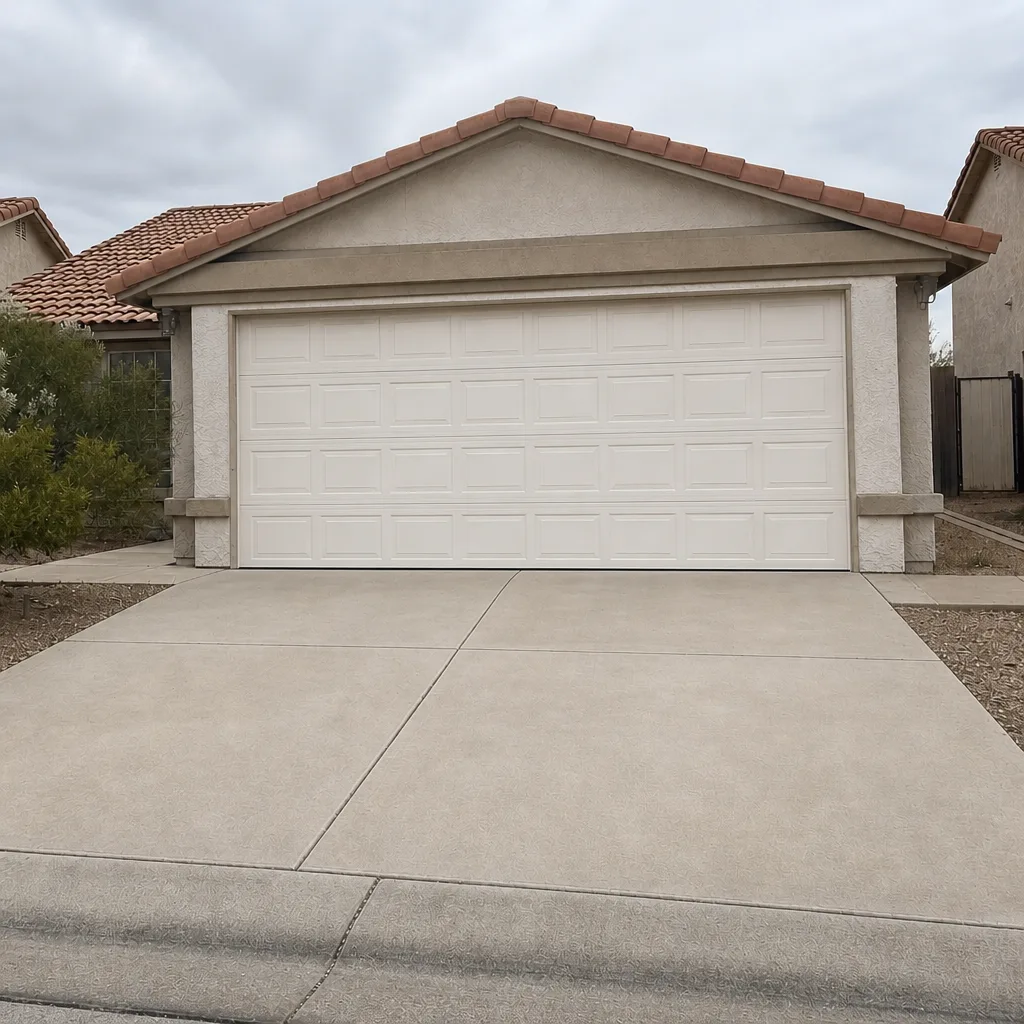 After
When to Call a Professional
Call a professional the moment any of these is true. Don’t wait for a break.
- The spring has visible coil gap, surface rust pits, or a snapped coil.
- The balance test fails (door drops or rises more than a foot on its own).
- The door sounds louder, heavier, or unbalanced than it did last month.
- The door is 7+ years old and hasn’t had a spring inspection.
- The cycle calculation puts your door within a year of its spring’s rated life.
- The opener is straining, reversing on its own, or the auto-reverse test fails.
For a proper inspection, an annual maintenance visit is the cheapest route. If the spring is already broken, that’s an emergency and we treat it as one. Bramwell Garage Door Repair Boulder City offers free estimates in Boulder City – call (844) 560-4479. A live person answers 24 hours a day, and you’ll get a written price before any work starts.
Frequently Asked Questions
Every six months is the standard. March and October work well in Boulder City because those dates bracket the two temperature swings that stress the metal hardest. Lubricate the coils and bearing plates with white lithium grease, and use silicone spray on the hinges.
No. Standard WD-40 is a water displacer, not a lubricant. It strips the protective coating on the coil and evaporates, which leaves the steel bare and speeds up rust. Use white lithium grease or a silicone spray instead.
Residential torsion springs are typically rated for 10,000, 15,000, 20,000, or 25,000 cycles. A 10,000-cycle spring on a door opened four times a day lasts roughly seven years. Most tract homes in Boulder City were built with 10,000-cycle springs as the standard.
No. Torsion springs are under extreme tension even when the door is at rest, and the winding bars used to adjust them are specific to the trade. A slipped bar can cause serious injury. The balance test tells you whether tension has drifted, but the adjustment is a professional job.
A maintenance visit typically runs $89-$149 for the inspection and lubrication. Spring replacement, if needed, runs $180-$280 with parts and labor included. Every Bramwell job gets a written price before any work starts. Call (844) 560-4479 for an exact quote – estimates are free.
The two clearest signs are a visible coil gap on the unloaded section of the spring and a balance test failure (the door drops more than a foot on its own when released halfway up). Rust pits and a louder door are also warning signs. If you see any of them, stop using the opener and call for an inspection.
The Bottom Line
Springs don’t fail without warning. They fail because nobody was tracking them. A March and October lubrication, a once-a-year balance test, and an honest cycle count will tell you when a spring is close to the end of its rated life, and give you a window to replace it on your schedule instead of the day it snaps. That’s the whole system. Two visits a year, one number to track, and one rule that matters: when something looks wrong, don’t touch the torsion spring yourself. Call a professional. Bramwell Garage Door Repair Boulder City is here when you need us – (844) 560-4479 for a free estimate. For more on our services, see our Bramwell Garage Door Repair Boulder City home, Garage Door Repair in Boulder City, and Garage Door Installation in Boulder City.
Written by the team at Bramwell Garage Door Repair Boulder City.